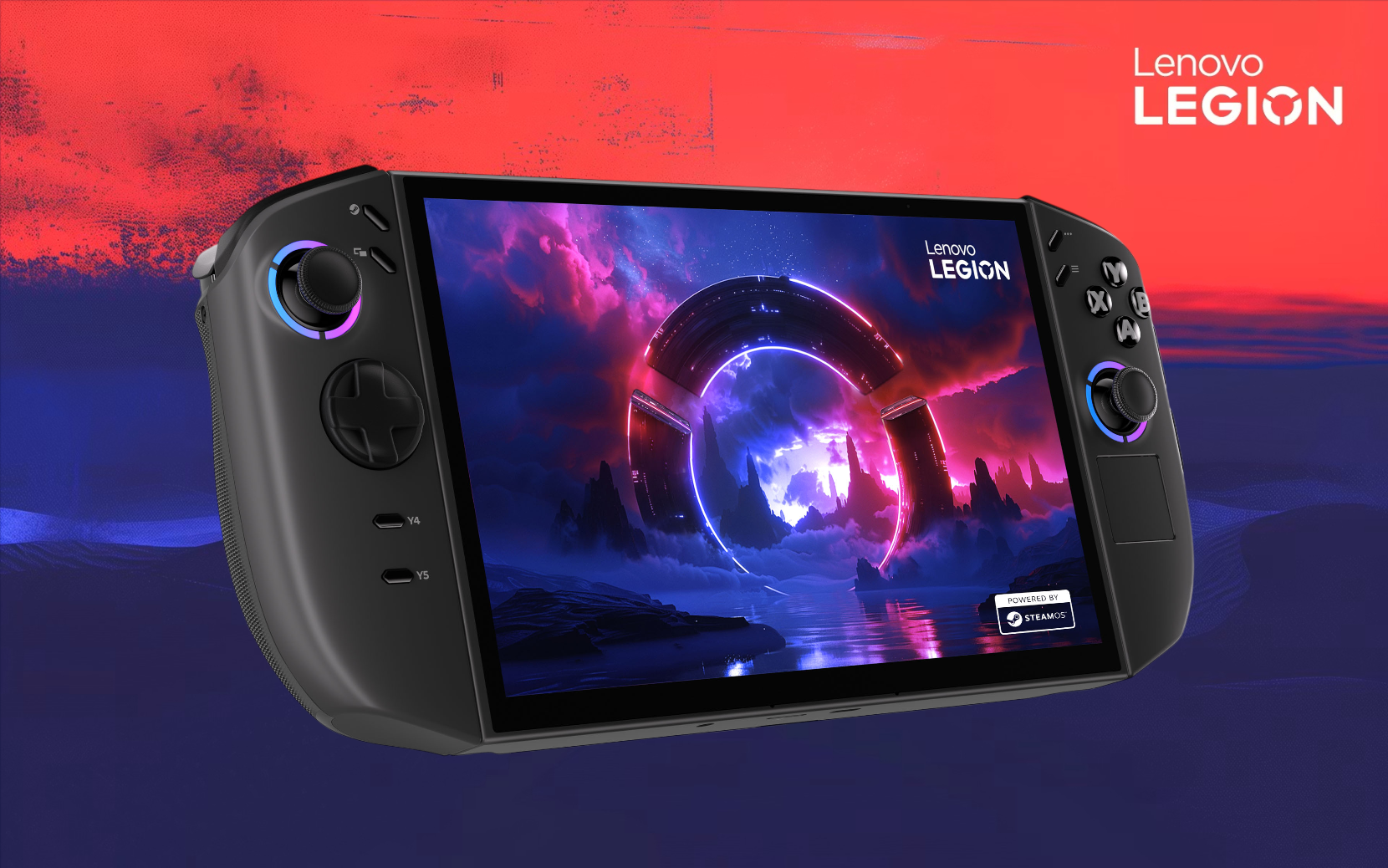
Lenovo has quietly ceased driver updates for the Legion Go handheld, a gaming device powered by AMD’s Z1 Extreme APU that debuted late last year. The move leaves users with no further optimized support, despite the device being less than two years old.
The announcement, confirmed by Lenovo Korea, states that no additional driver updates will be provided for the Legion Go. Instead, users are directed to rely on Windows Update and Lenovo Vantage for system-level patches, while AMD’s generic graphics drivers—if compatible—can be downloaded directly from the manufacturer’s website.
Lenovo’s statement emphasizes that the Legion Go and its successor, the Legion Go S, use different hardware architectures, meaning their drivers are incompatible. While the Go S continues to receive updates, the original Legion Go has been left behind.
The Z1 Extreme chipset in the Legion Go is newer than the one used in the Legion Go S, yet it is the first to face a halt in driver development. Competitors like ASUS’s ROG Ally and Ally X, both based on AMD’s Z1 chips, remain active in driver updates.
Lenovo acknowledges the frustration, apologizing for the lack of a clear explanation. The company reassures users that the device will continue to function but warns that without new drivers, future optimizations or fixes will not be available.
- No further driver updates for the Legion Go handheld.
- Users should rely on Windows Update and Lenovo Vantage for system-level patches.
- AMD’s generic drivers may be used if compatible.
- Legion Go S will continue receiving updates due to hardware differences.
- The device remains operational but will lack optimized support moving forward.
Owners of the Legion Go are advised to check Windows Update and Lenovo Vantage for critical security patches, while AMD’s website remains the primary source for graphics drivers.