Apple is preparing to manufacture its most ambitious smartphone lineup yet, with both the foldable iPhone and the iPhone 18 Pro series entering mass production as early as July. If the timeline holds, the company will announce both devices in September—a rare simultaneous launch that underscores the stakes of delivering two high-profile products without delay.
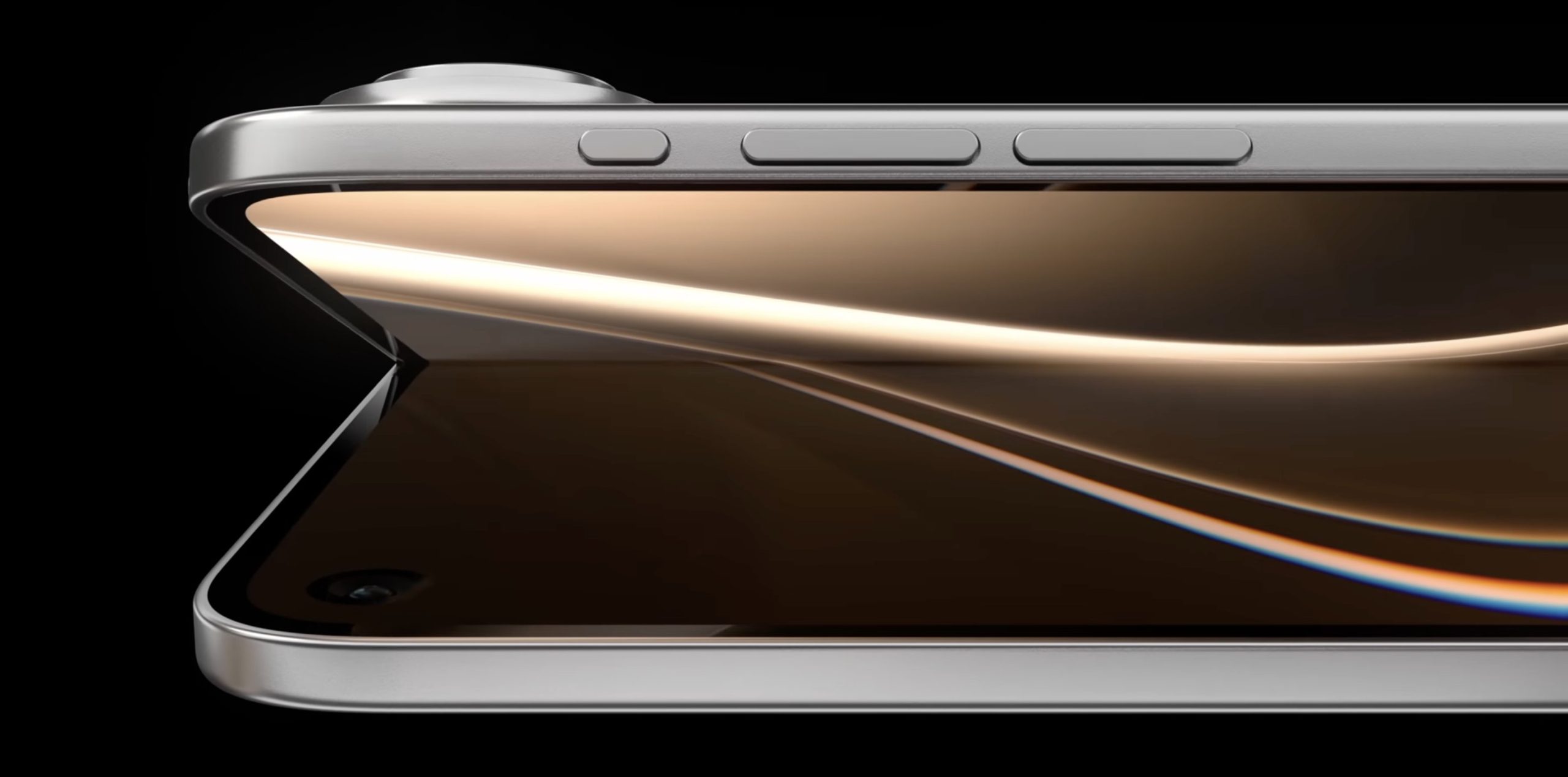
The foldable iPhone, Apple’s first foray into a radically different form factor, has reportedly cleared one of its biggest technical challenges: a crease-free display. Sources suggest the company has settled on a combination of ultra-thin glass and a protective polyimide film to minimize visibility issues, a problem that has plagued competitors like Samsung. This breakthrough would mark a critical step forward for Apple’s foldable ambitions, which have been years in the making.
Two Devices, One Ecosystem
The iPhone 18 Pro and Pro Max are expected to follow a more predictable upgrade path, retaining their titanium-and-glass design while incorporating the next-generation A20 and A20 Pro chips. These processors, built on TSMC’s advanced 2nm process, will define performance for the year, though Apple is reportedly facing production delays due to high demand for TSMC’s cutting-edge manufacturing capacity. Despite these challenges, the company has secured a significant portion of the initial supply, ensuring both Pro models can launch on schedule.
Why July Matters
The July mass production timeline suggests Apple is aiming to avoid the kind of last-minute manufacturing snags that have delayed other high-profile launches. By starting production early, the company can test final assembly processes, refine software integration, and ensure components like displays and chips meet quality standards before the September reveal.
For consumers, this dual launch could mean two distinct experiences: the foldable iPhone for those seeking a premium, flexible display, and the traditional Pro models for users prioritizing performance and refinement. The foldable device, in particular, will need to prove its durability and practicality—especially in areas like battery life, given rumors of a larger capacity than any previous iPhone.
Apple has not confirmed these production plans, but the timeline aligns with internal preparations and industry reports. If accurate, it would mark a pivotal moment for the company’s smartphone strategy, blending innovation with its signature reliability.