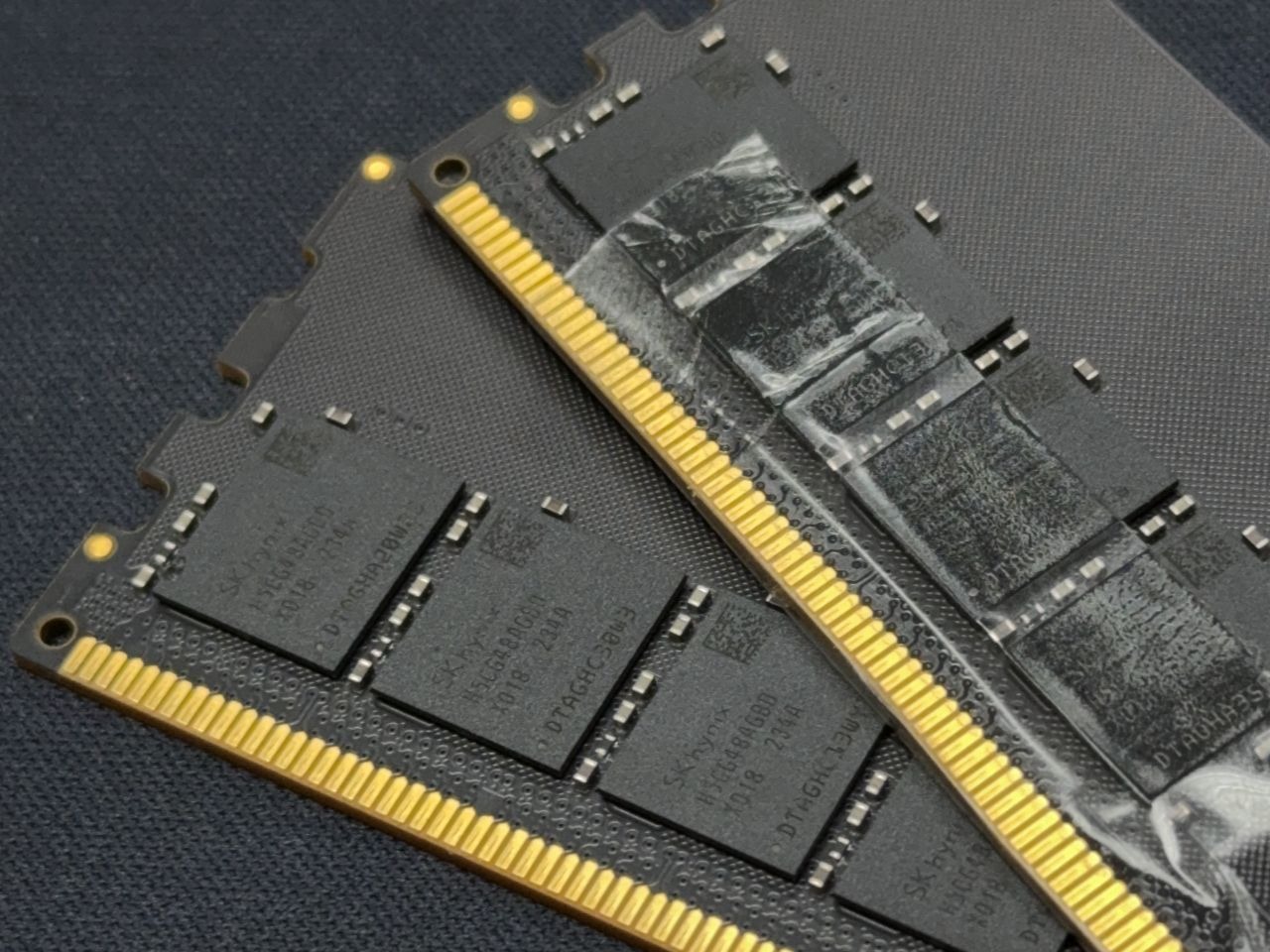
The era of Chinese RAM being a cost-effective refuge for budget-conscious buyers has effectively ended. With a 32GB DDR5 kit from KingBank now priced at 3,629 yuan—roughly $530—on JD.com, local memory prices have fully converged with Western markets. This development dismantles the recent narrative that Chinese manufacturers like CXMT could offer significant savings, particularly as supply constraints force producers to prioritize high-margin enterprise and AI sectors.
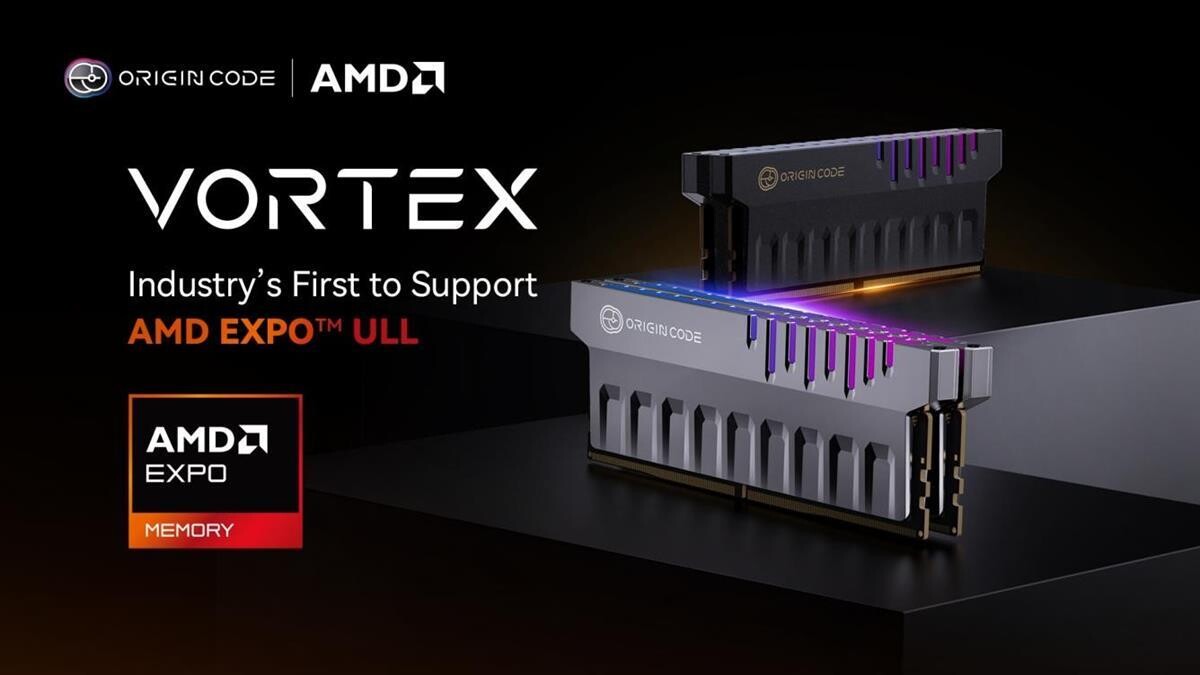
KingBank, a brand leveraging CXMT’s DDR5 modules, has become a focal point in discussions about Chinese memory affordability. Earlier claims suggested CXMT’s consumer kits might undercut global alternatives, but those expectations have collapsed. The same 32GB DDR5 configuration now mirrors the cost of comparable Western products, while a 64GB DDR5-6000 kit from the same vendor exceeds $1,000, reinforcing the trend.
Why the Shift?
The divergence stems from a broader industry realignment. Memory suppliers—including CXMT—are redirecting production capacity toward HBM3 and AI-focused applications, where revenue margins far surpass those of consumer markets. Long-term agreements (LTAs) with brands like HP, Dell, and ASUS provide some DRAM supply to PC manufacturers, but these deals do little to lower retail prices. The imbalance between AI demand and consumer needs has created a structural gap, with suppliers opting for the highest-return customers.

This shift is not unique to CXMT. Global DRAM manufacturers have collectively pivoted toward enterprise and data-center clients, leaving consumers with limited options and inflated costs. The result? Prices for high-capacity DDR5 modules—once a potential bargain—now align with or exceed Western equivalents, effectively erasing the perceived advantage of Chinese memory.
A Market Reaction
Early hopes that Chinese RAM could mitigate the global shortage have faded. While some users initially turned to local vendors for savings, the rapid price adjustment has left little room for discounts. The consensus among observers is clear: without significant supply expansion in the consumer segment, high-capacity DDR5 kits will remain prohibitively expensive, regardless of origin.
The trend underscores a larger challenge for PC enthusiasts and budget builders. As AI and enterprise demands dominate memory production, the idea of affordable high-capacity RAM—whether from China or abroad—appears increasingly unlikely in the near term.