The cost of essential hardware components—DRAM and NAND flash—has reached unprecedented levels, with prices surging by over 90% in the first quarter of 2026 alone. This dramatic spike, which follows a 35% jump in PC memory and 20% rise in NAND during Q4 2025, is reshaping the tech industry, forcing manufacturers to reconsider product strategies and pricing models.
Server-grade components have been hit even harder, with memory prices climbing by 76% and NAND by 60% in late 2025. Now, as Q1 2026 draws to a close, PC memory prices are averaging over 90% higher than last year, while NAND flash has surpassed a 100% increase in some cases. Server memory and NAND are not far behind, with estimates suggesting hikes of 98% and 90%, respectively.
Why It Matters
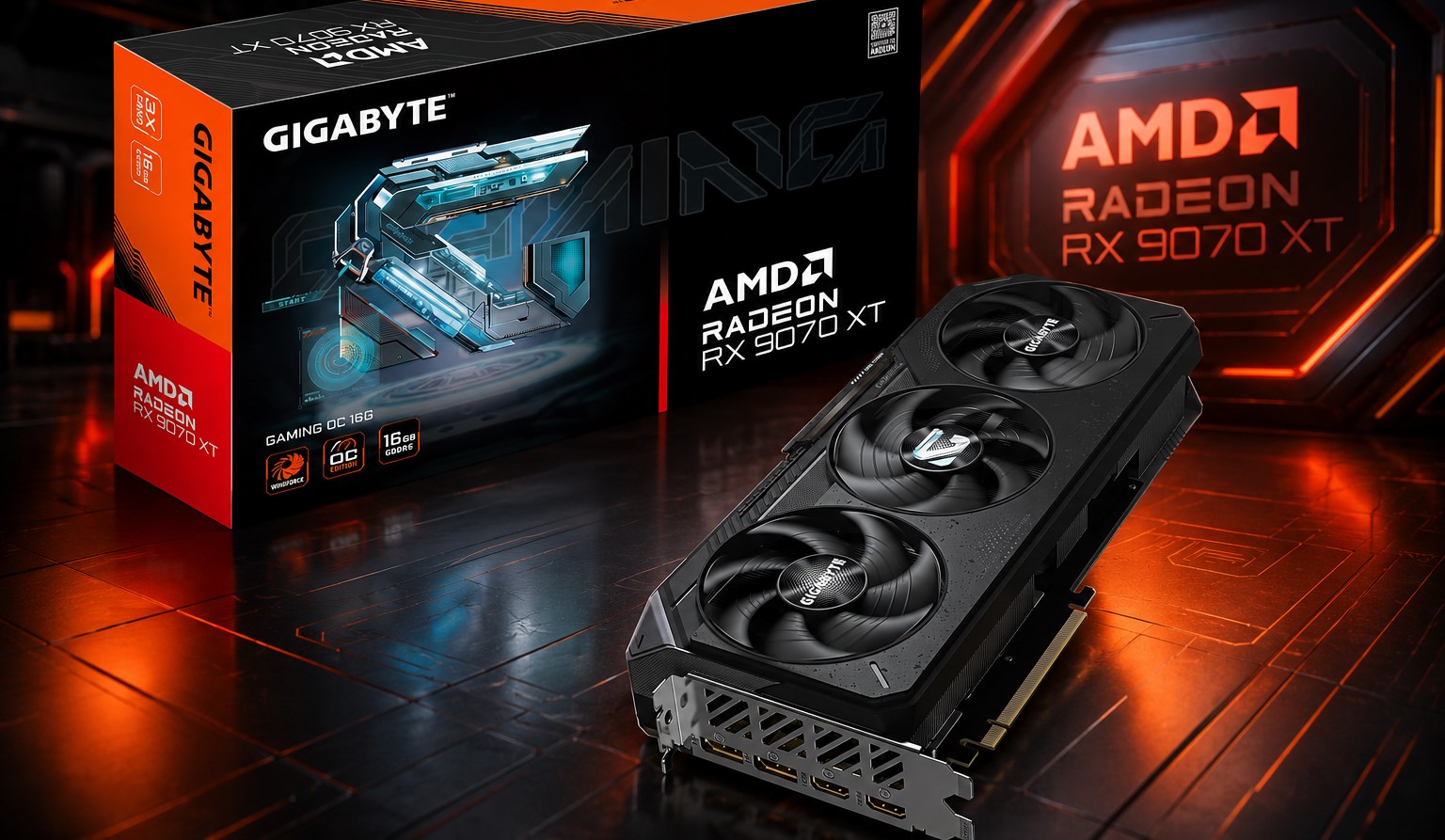
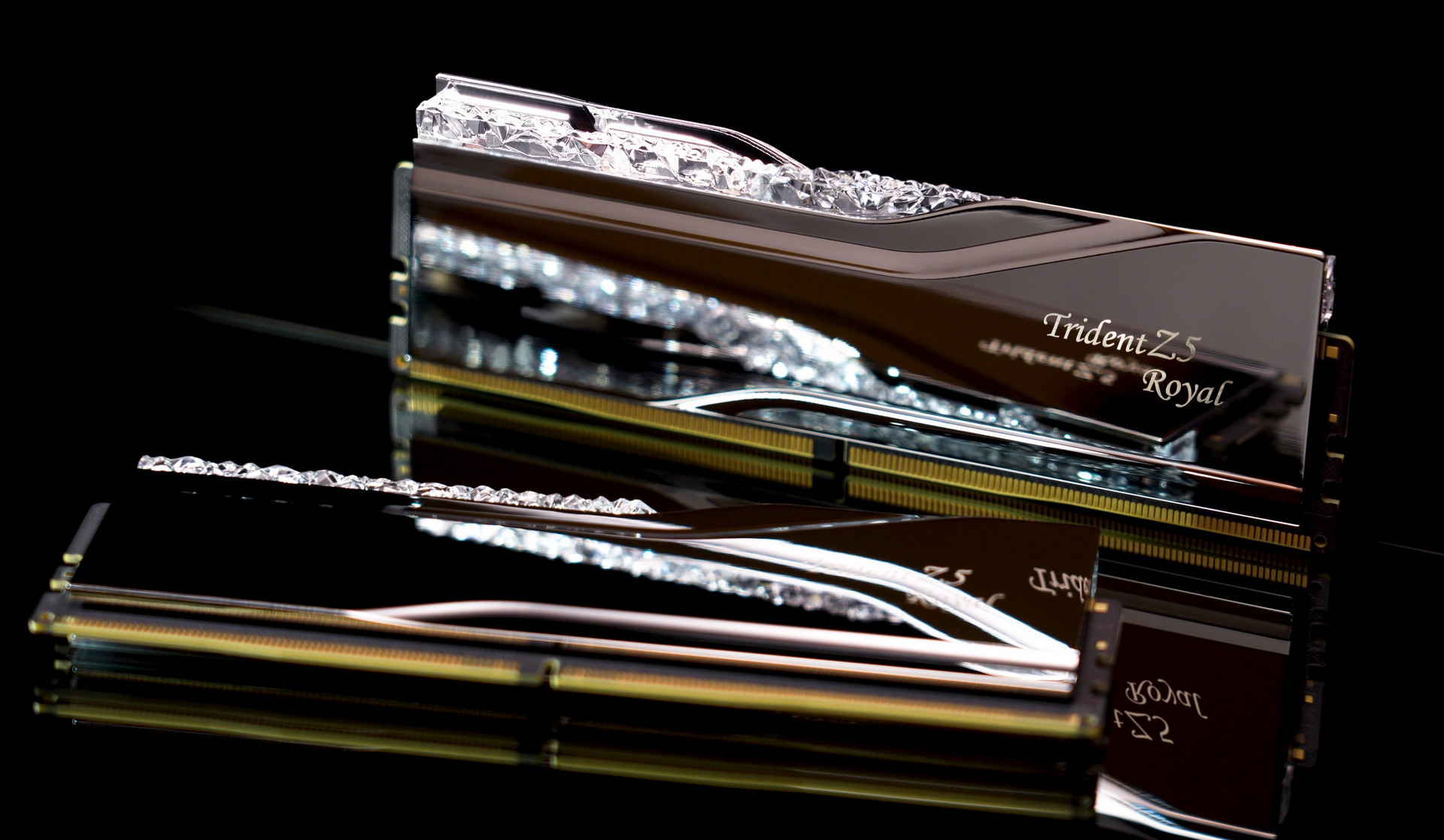
For consumers, the impact is immediate. High-end DDR5 kits—once a premium but accessible upgrade—are now priced at three to five times their Q4 2025 levels. A 512 GB DDR5 module, for example, could cost nearly as much as seven NVIDIA RTX 5090 GPUs, a stark reminder of how supply shortages are distorting the market. Meanwhile, manufacturers are responding by trimming memory allocations in budget devices or shifting focus to premium models equipped with LPDDR5, which remains slightly less volatile in price.
Operating margins for memory producers are soaring, with DRAM margins now exceeding 60%—a historic milestone that surpasses even high-bandwidth memory (HBM) profitability. Analysts predict these margins will peak in Q1 2026, setting a new benchmark that could make future downturns more severe if demand ever cools.
What’s Next?
Industry experts anticipate another 15–20% price hike in Q2 2026, driven by relentless AI-driven demand that shows no signs of slowing. While some reports suggest prices may stabilize by late 2027 or early 2028, the current trajectory suggests prolonged volatility. Chinese memory manufacturers are emerging as a critical lifeline, but their capacity may not be enough to offset global shortages.
For device makers, the challenge is twofold: rising costs and weakening consumer spending power. The result could be slower demand as buyers hesitate to invest in high-priced hardware. Manufacturers may need to rethink procurement strategies, prioritizing efficiency or premium features to justify higher prices.
The situation underscores a broader trend—one where AI’s insatiable appetite for memory and storage is outpacing supply, creating a feedback loop of rising costs and constrained innovation. Until new production capacity comes online, the tech industry faces a period of elevated prices and strategic adjustments.