Microsoft’s vision for the next Xbox console is taking shape, but a firm launch date remains elusive. While AMD’s CEO recently suggested a 2027 release could be on the horizon, internal Microsoft sources have tempered expectations, framing that timeline as a best-case scenario rather than a guarantee. The holdup isn’t hardware—AMD’s custom silicon is reportedly progressing—but software and operational readiness, particularly the seamless integration of Windows 11 and the Xbox experience.
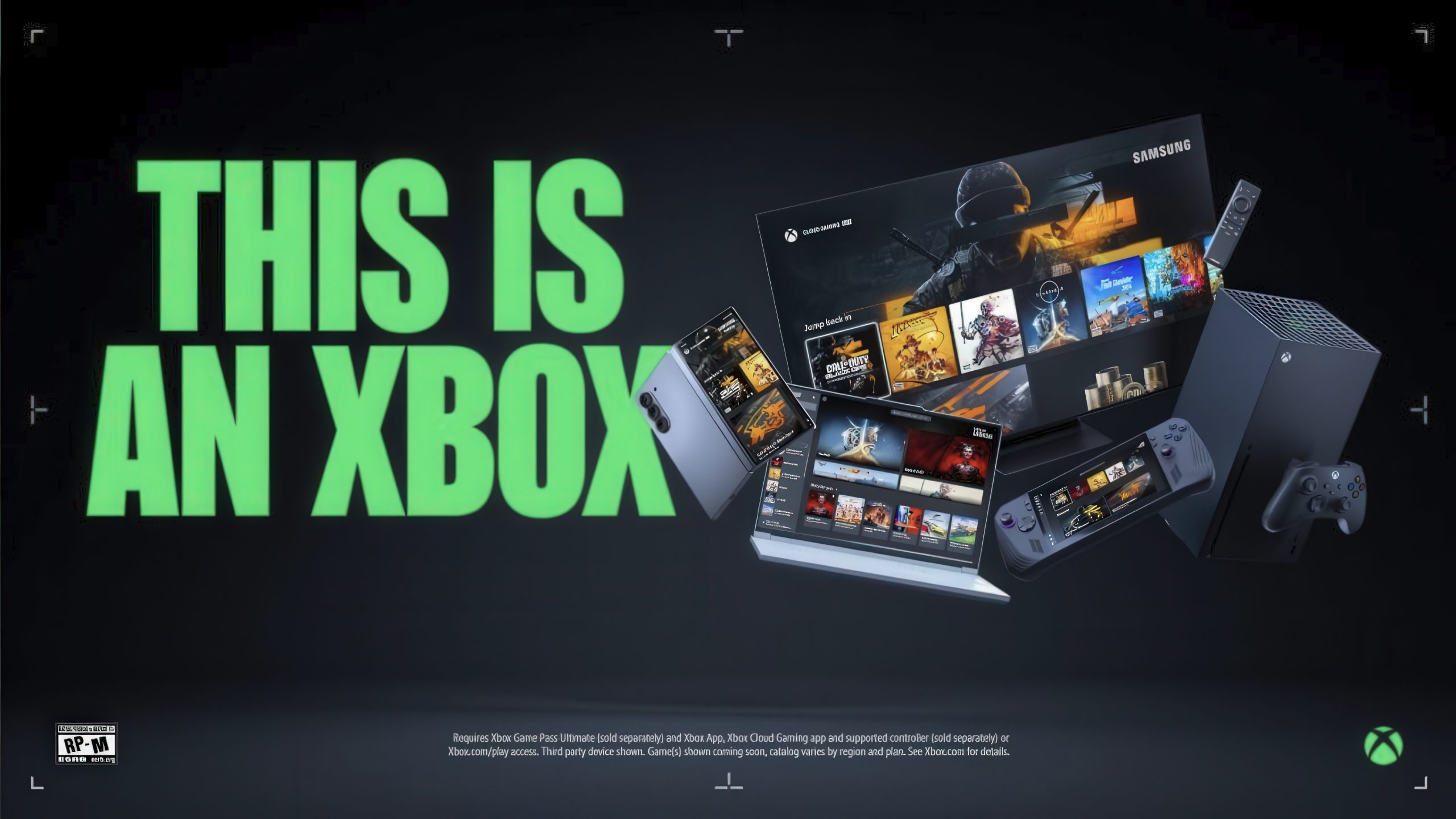
This duality is central to Microsoft’s strategy. The console will launch with a familiar Xbox interface, but users will have the option to transition into full Windows 11 mode, unlocking access to PC games from stores like Steam and Epic Games. The flexibility extends to hardware: Microsoft will set the baseline specifications, but partners like ASUS and Lenovo could offer their own variants, potentially with higher-end configurations or more affordable tiers.
Why 2027 Is a Stretch Goal
The push for a 2027 launch reflects Microsoft’s ambition to merge console and PC ecosystems, but challenges persist. Supply chain disruptions—particularly the ongoing RAM shortage—are complicating pricing and availability. Tariffs on critical components add another layer of uncertainty, though Microsoft appears unconcerned about an initially premium price point. The company also plans to extend cross-generation compatibility, allowing Xbox Series S and X owners to hold onto their consoles for years before next-gen exclusives arrive.
Beyond hardware, the focus is on perfecting the OS and interface. Microsoft wants the transition between Xbox and Windows modes to feel seamless, a task that requires rigorous testing and optimization. The handheld Xbox, which served as a proof of concept, was just the first step; the full console experience demands a more robust foundation.
Specs and Customization: Microsoft Sets the Floor, OEMs Raise the Ceiling
The console’s technical details remain under wraps, but Microsoft’s emphasis on a premium leap suggests high-end specifications. While exact figures aren’t confirmed, the baseline will likely feature AMD’s latest custom silicon, ample memory, and next-gen storage solutions. OEMs, however, could push boundaries further—offering models with faster GPUs, more RAM, or even liquid cooling, catering to enthusiasts willing to pay extra.
This approach mirrors Microsoft’s broader strategy of treating Xbox as a flexible platform. By allowing third-party manufacturers to customize hardware, the company opens the door to a wider range of price points and performance tiers, potentially appealing to both mainstream gamers and hardcore PC enthusiasts.
Availability: Still Uncertain
As of now, Microsoft has not confirmed a definitive launch window. While 2027 remains a target, internal discussions suggest delays are possible if software hurdles aren’t resolved. The company’s willingness to extend cross-generation support also indicates a measured approach—ensuring the next Xbox isn’t rushed but built to last.
One thing is clear: Microsoft is betting on a future where Xbox isn’t just a console but a gateway to Windows 11’s full potential. Whether that vision materializes in 2027 or later will depend on how quickly the pieces fall into place.