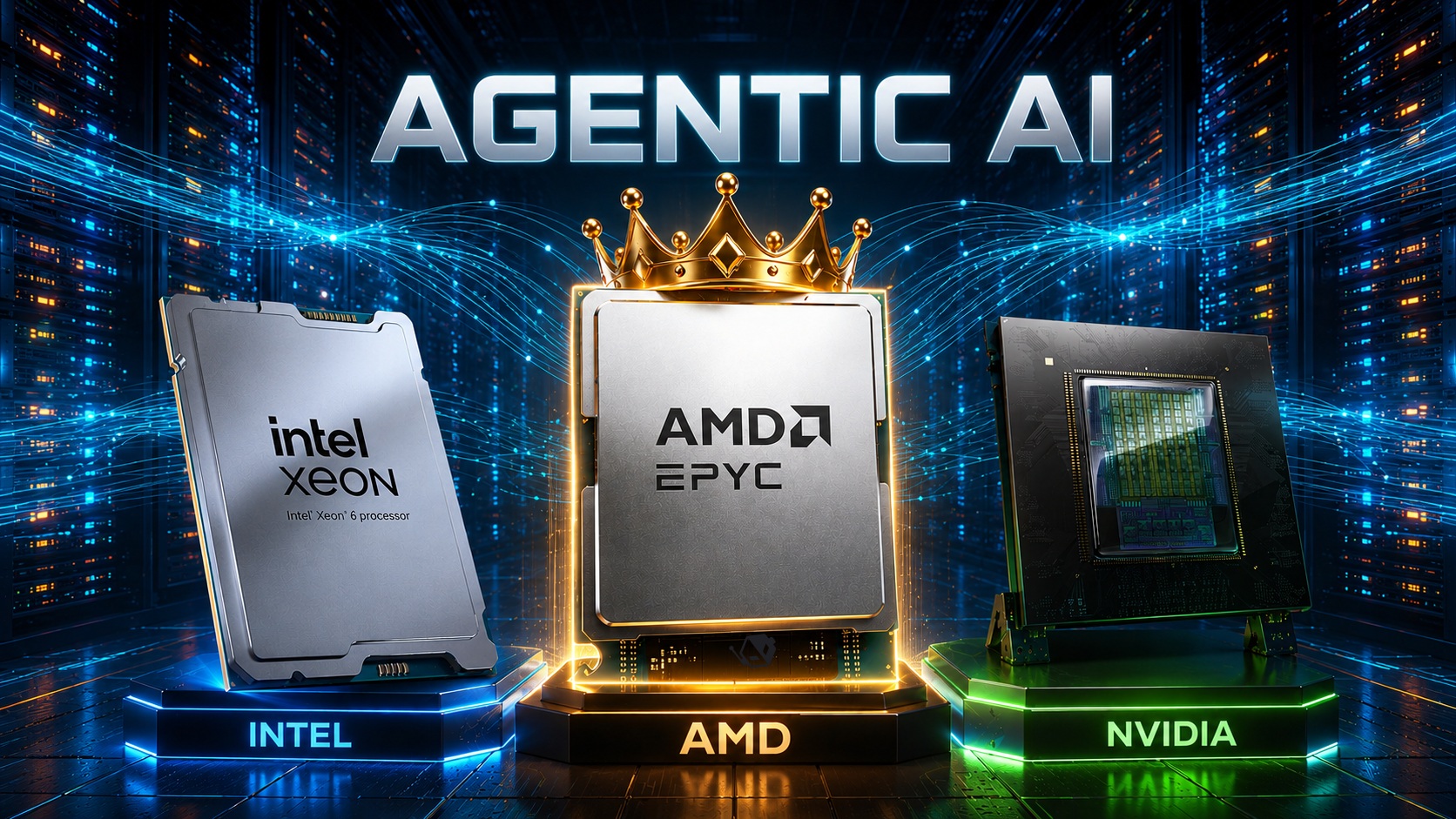
The relationship between Nvidia and OpenAI—once hailed as a cornerstone of AI advancement—appears to be unraveling. While no official statements have been made, internal concerns are surfacing on both sides: Nvidia is reconsidering its $100 billion investment pledge, and OpenAI is reportedly exploring alternatives to Nvidia’s GPUs for critical AI workloads.
The stakes couldn’t be higher. Nvidia’s dominance in AI hardware has made it the go-to supplier for companies racing to deploy large language models. Yet behind the scenes, friction is emerging over performance, cost, and long-term strategy.
OpenAI’s growing frustration
OpenAI is said to be particularly dissatisfied with Nvidia’s latest AI chips when it comes to inference—the process of running trained models to generate responses for users. Sources indicate the company has been seeking alternatives since last year, citing concerns over speed and efficiency in tasks like software development and AI-driven automation.
This isn’t just about raw power. Nvidia’s GPUs, while versatile, may lack the optimization needed for the specialized demands of inference. Microsoft’s recent Maia-200 AI chip, designed specifically for inference, suggests a shift in the industry toward bespoke hardware. If OpenAI’s needs aren’t fully met by Nvidia’s current offerings, it could signal a broader trend away from general-purpose GPUs.

A $100 billion deal in limbo
Nvidia’s CEO has previously signaled a massive financial commitment to OpenAI, though details remain vague. While public statements have emphasized the partnership’s importance, private concerns have surfaced. Reports suggest Nvidia is worried about OpenAI’s business approach and its ability to compete with rivals like Google and Anthropic.
Nvidia’s hesitation isn’t just about money—it’s about control. If OpenAI shifts to custom or third-party hardware, Nvidia’s influence over AI infrastructure could weaken. Meanwhile, OpenAI’s focus on inference over training may further strain the relationship, as Nvidia’s strengths lie in training-scale hardware.
What’s next for AI’s power players?
For now, neither company has walked away. OpenAI still relies on Nvidia GPUs for much of its operations, and Nvidia’s AI division remains dependent on OpenAI’s success. But if these reports hold true, the partnership’s future is far from certain.
The AI landscape is evolving rapidly, and partnerships that once seemed unbreakable are now being tested. Whether this marks the beginning of a new era in AI hardware—or just a rough patch in an otherwise strong alliance—remains to be seen.