NVIDIA’s latest GeForce driver release is more than just an incremental update—it signals a deliberate move to embed AI-driven rendering even tighter into the gaming ecosystem. The tradeoff is clear: users gain access to cutting-edge visuals, but at the cost of deeper platform lock-in and higher system requirements.
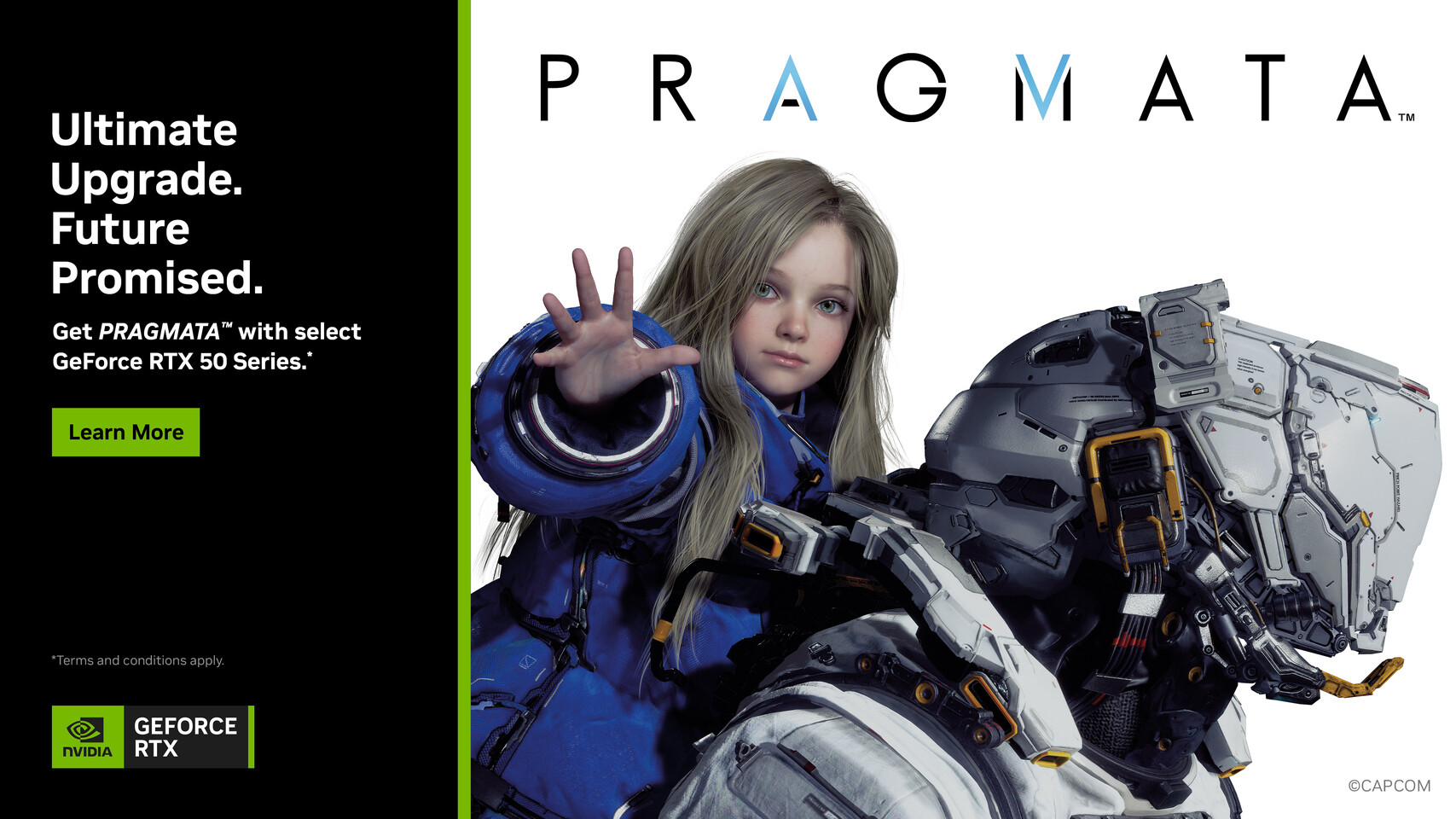
At its core, the new driver introduces support for PRAGMATA, an upcoming title that leverages NVIDIA’s latest rendering technologies. Among them are path tracing, DLSS Multi-Frame Generation, and DLSS Ray Reconstruction—features designed to push real-time visual fidelity beyond what traditional GPUs can deliver. For developers, this means a more streamlined workflow with enhanced recommendations through Project G-Assist. For gamers, it translates to smoother performance and richer graphics, but only if their hardware meets the demands of these advanced techniques.
This isn’t just about one game, though. The driver also brings Game Ready support for Windrose, adding DLSS 4.5 Super Resolution, Dynamic Multi-Frame Generation, and NVIDIA Reflex—a suite of tools that further cements NVIDIA’s dominance in AI-accelerated gaming. Meanwhile, the NTE (Neverness to Everness) update extends these capabilities with path-traced effects, ensuring that even older titles can benefit from modern rendering techniques.
Beneath the surface, there are practical improvements too. Bug fixes have addressed stuttering issues in Arknights: Endfield, though a known issue persists where certain textures in God of War: Ragnarok may flash white intermittently. These tweaks reflect NVIDIA’s ongoing effort to balance performance with stability—a challenge that grows as AI rendering becomes more complex.
- Key Features:
- Path tracing and DLSS Multi-Frame Generation for PRAGMATA
- DLSS 4.5 Super Resolution, Dynamic Multi-Frame Generation, and NVIDIA Reflex for Windrose
- Enhanced Project G-Assist recommendations and controls
- Bug fixes for Arknights: Endfield stuttering (one known issue remains in God of War: Ragnarok)
The real question isn’t whether these features work—they do—but how widely they’ll be adopted. For now, the focus is on high-end GPUs like the RTX 5070 and RTX 5090, which are built to handle the increased workloads of AI rendering. The RTX 5060 Ti with 16 GB VRAM, while more budget-friendly, may struggle to keep up without significant compromises in visual quality.
For buyers, this update reinforces NVIDIA’s strategy: push the boundaries of what GPUs can do today, even if it means leaving behind those who can’t or won’t follow. The ecosystem is tightening its grip, and those outside it risk being left behind—both in performance and in access to the latest innovations.