OLED monitors have long been praised for their deep blacks and vibrant colors, but a new two-year test suggests burn-in may become more noticeable over time than previously thought.
The test, conducted on an MSI MPG321URX QD-OLED monitor using a Samsung 4K panel, ran for 6,000 hours under typical productivity workloads. While the degradation remains gradual, faint lines and icon-specific burn-in have emerged along the taskbar after two years.
Key observations include
- Taskbar Burn-In: Slight but visible burn-in appears at the bottom of the screen due to prolonged static elements like the Windows taskbar.
- Color Drift: The green subpixels degrade faster than red, causing a minor color temperature shift from 6,441K (new) to 6,386K (after 24 months).
- Brightness Stability: Maximum brightness dropped slightly from 243 nits to 238 nits over the test period.
The test also found that some burn-in effects can become less visible in certain conditions, possibly due to overall panel wear reducing contrast. However, this does not negate the long-term trend of gradual degradation.
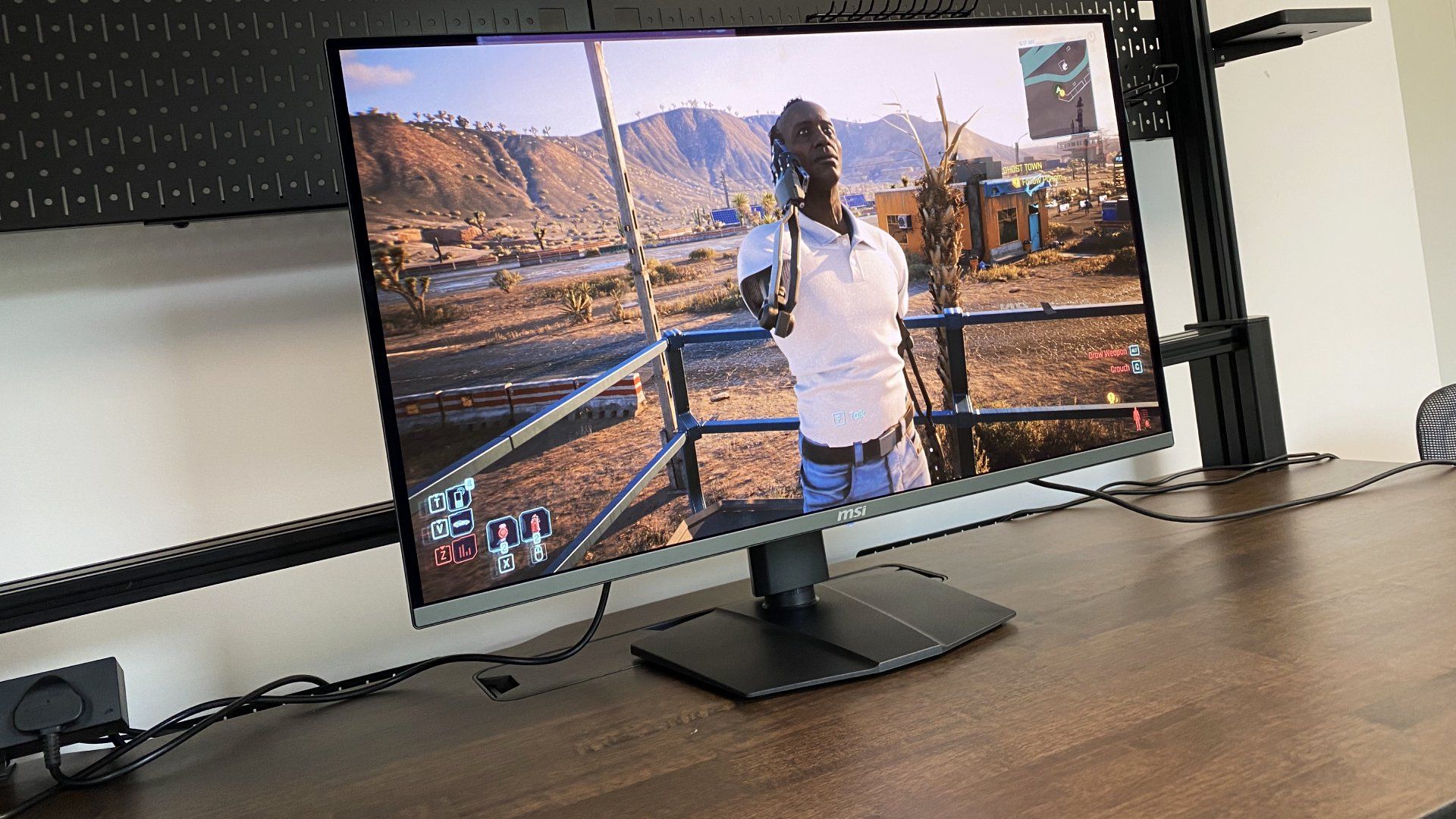
Despite these changes, experts note that the burn-in is still not catastrophic—it’s more a matter of subjective tolerance. For users who paid premium prices for OLED, even subtle burn-in may feel like a compromise after two years. The question remains whether future panels will see accelerated wear or if current levels are sustainable.
For IT teams evaluating long-term display solutions, the takeaway is clear: OLEDs remain viable but require careful consideration of usage patterns and user expectations. While not a deal-breaker, burn-in is no longer the negligible issue it once seemed to be.