A Growing Trend: Direct PC Releases Fuel Debate
The conversation surrounding the future of video games is increasingly focused on a key trend: the rising number of titles released directly onto PC storefronts. While consoles like the PlayStation 5 and Nintendo Switch have historically dominated market share, particularly in terms of overall revenue, a growing wave of developers are choosing to bypass traditional console distribution models and launch their games exclusively or initially on PC platforms. This shift is prompting industry veterans to reconsider the long-held assumption that consoles remain the undisputed kings of the gaming world.
Recently, discussions within the gaming community centered around a statement made by Spike Chunsoft, the developer behind the critically acclaimed Danganronpa series. Speaking with RPG Site regarding their latest title, The Hundred Line: Last Defense Academy, creator Kyokami highlighted what he believes represents a fundamental shift in the video games industry – the ascendance of the PC market.
Why the Focus on PC?
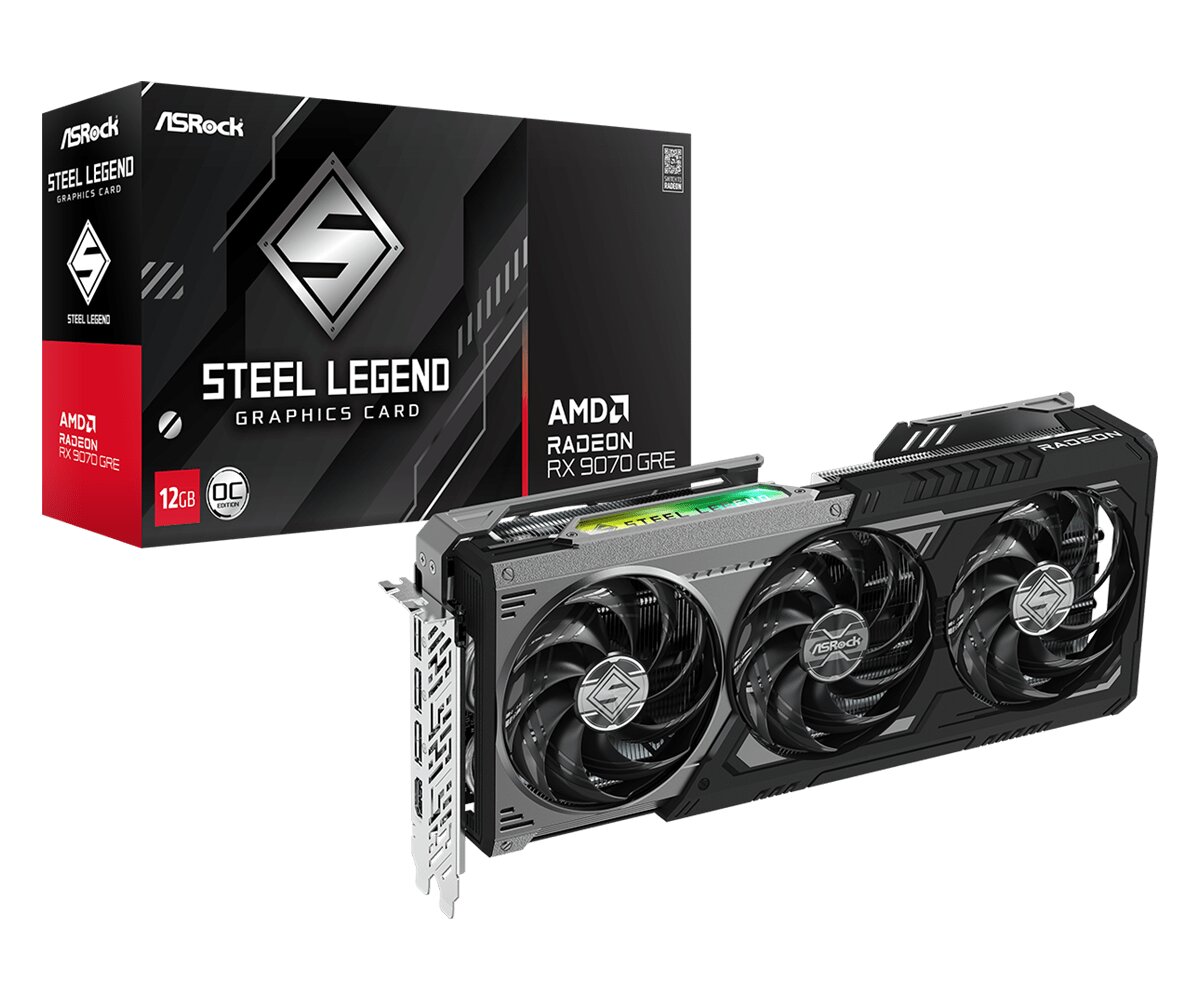
Several factors contribute to this growing trend. Firstly, the PC gaming audience continues to expand, driven by advancements in hardware and software. Powerful consumer-grade graphics cards now offer capabilities previously only found in high-end consoles, allowing for increasingly sophisticated visual experiences. Furthermore, the flexibility of the PC platform – with its vast library of peripherals, customization options, and modding communities – appeals strongly to a segment of gamers who value control and personalization.
Secondly, digital distribution has matured significantly. Steam, Microsoft Store, and other PC storefronts offer streamlined purchasing experiences, robust community features, and often provide more favorable revenue splits for developers compared to console platforms. This financial incentive encourages developers to prioritize PC releases, particularly for titles that might not have a strong enough commercial argument for a console launch.
Thirdly, the rise of indie game development has been largely fueled by the PC market. The accessibility of tools and resources, coupled with the direct connection between developers and their audience through digital distribution, allows smaller studios to thrive and experiment with innovative gameplay mechanics that might be deemed too niche for a major console release.
Console Market Remains Significant
Despite this growing momentum behind PC gaming, it’s crucial to acknowledge the continued strength of the console market. The PlayStation 5 and Nintendo Switch remain dominant platforms due to several key factors. Console bundles often offer a more affordable entry point for new gamers, and exclusive titles continue to drive significant sales. Furthermore, the ease of use and social aspects of consoles appeal to a broad audience, particularly families and casual gamers.

However, even within the console market, there’s evidence of a shift. More games are now being released on PC alongside their console counterparts, blurring the lines between platforms and catering to a wider range of player preferences. The increasing popularity of cloud gaming services also presents a potential challenge to traditional console distribution models.
Implications for Developers and Publishers
The growing dominance of PC gaming has significant implications for developers and publishers. It forces them to reconsider their release strategies, diversify their platforms, and engage with the PC community in new ways. Traditional ‘console first’ development cycles are becoming less prevalent as studios recognize the potential revenue streams available on PC.
- Platform Diversification: Developers are increasingly exploring simultaneous or staggered releases across multiple platforms to maximize audience reach.
- Community Engagement: PC gamers often form highly engaged communities, and developers need to prioritize building relationships with these players through forums, streaming events, and modding support.
- Revenue Models: The PC market offers diverse revenue models beyond traditional retail sales, including microtransactions, DLC, and subscription services.
Furthermore, the rise of PC gaming has created new opportunities for esports and competitive gaming. PC hardware is often better suited to demanding esports titles than consoles, and the larger player base on PC contributes to a more vibrant and active competitive scene.
Looking Ahead: A More Balanced Landscape?
While it’s clear that the PC market is experiencing significant growth and exerting considerable influence on the video games industry, it's unlikely to completely displace consoles. The future of gaming is likely to be characterized by a more balanced landscape – one where both PC and console platforms coexist, cater to different player preferences, and drive innovation within the industry.
The conversation initiated by Kyokami’s highlights a crucial evolution in how games are developed, distributed, and consumed. It serves as a reminder that the video game market is dynamic and constantly adapting to technological advancements and changing consumer demands. The shift towards PC dominance isn't a simple victory; it represents a complex interplay of factors shaping the future of entertainment.