The global memory market is in the midst of a seismic shift, with artificial intelligence driving unprecedented demand for DRAM and storage solutions. Now, SK Hynix is accelerating its push into the U.S. with a bold new strategy: a standalone company called The AI Company, designed to capture AI-driven opportunities while competing head-to-head with domestic players like Micron.
This move follows the shutdown of its NAND-focused subsidiary, Solidigm, earlier this year—a signal that SK Hynix is prioritizing AI infrastructure over traditional storage. The new division will operate independently, with an initial investment of $10 billion, and will focus on securing contracts with U.S. data centers, cloud providers, and AI hardware manufacturers.
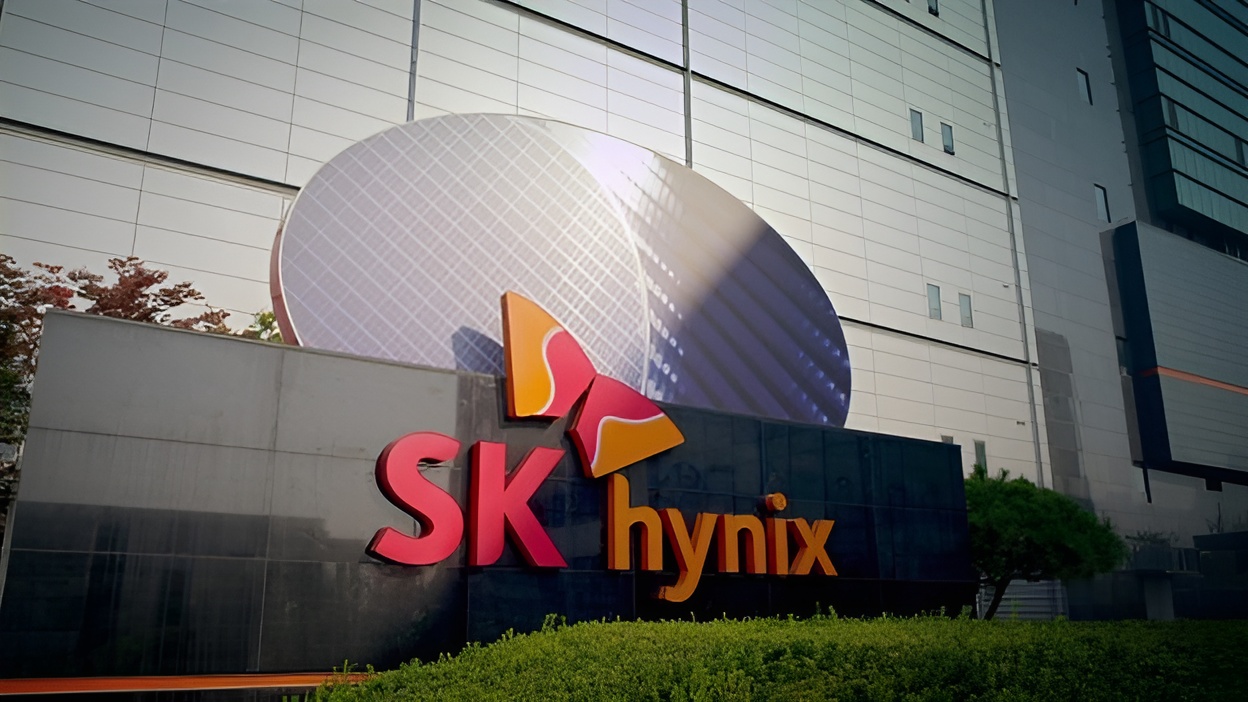
- A new U.S.-based entity, The AI Company, will handle DRAM, AI-optimized memory, and datacenter solutions.
- Replaces Solidigm as SK Hynix’s primary growth engine, with a $10 billion commitment.
- Strategy includes direct partnerships with AI firms, potential U.S. fabrication expansions, and tariff mitigation efforts.
- Positioned as a direct competitor to Micron in the American market.
The creation of The AI Company reflects a broader industry trend: memory manufacturers are no longer just supplying components but are now integrating deeper into the AI supply chain. SK Hynix’s decision to establish a U.S. hub—rather than pursue a rumored IPO—suggests a long-term play to avoid potential tariffs while gaining local influence. The division will also invest in startups and emerging technologies, though no specific names or collaborations have been disclosed.
For now, the focus remains on execution. If successful, The AI Company could reshape SK Hynix’s role in the AI boom, potentially leading to new fabrication projects and stronger ties with U.S. cloud providers. The stakes are high: with DDR4 and DDR5 prices surging, the company is betting that its U.S. presence will secure its place as a leader in the next wave of computing.