In an era where data is the new currency, the cost of storing it has reached staggering heights. High-end NVMe SSDs, once a symbol of cutting-edge performance for enthusiasts and professionals alike, now carry price tags that outstrip their weight in gold. This isn't just a quirk of the market—it's a reflection of deeper forces reshaping the economics of storage, mirroring the soaring costs seen in RAM over the past few years.
The latest generation of NVMe SSDs, particularly those leveraging PCIe 4.0 or newer interfaces, have become the poster children for this phenomenon. Models like Samsung's 990 Pro and WD Black SN850, for instance, offer blistering read/write speeds that push the boundaries of what a drive can do, but their price per gigabyte has climbed to levels that would make alchemists envious. A single terabyte of storage in these drives can cost more than the equivalent weight in 24-karat gold, a benchmark that underscores how far we've strayed from the days when SSDs were a mere luxury.
This isn't just about raw performance, though. The demand for high-end SSDs is being driven by a perfect storm of factors. On one hand, the proliferation of data-intensive applications—from AI training to 4K video editing—has created an insatiable appetite for fast storage solutions. On the other, the global chip shortage has squeezed supply, pushing prices upward while limiting availability. The result is a market where even a modest 1TB drive can set you back several hundred dollars, a figure that grows exponentially with capacity.
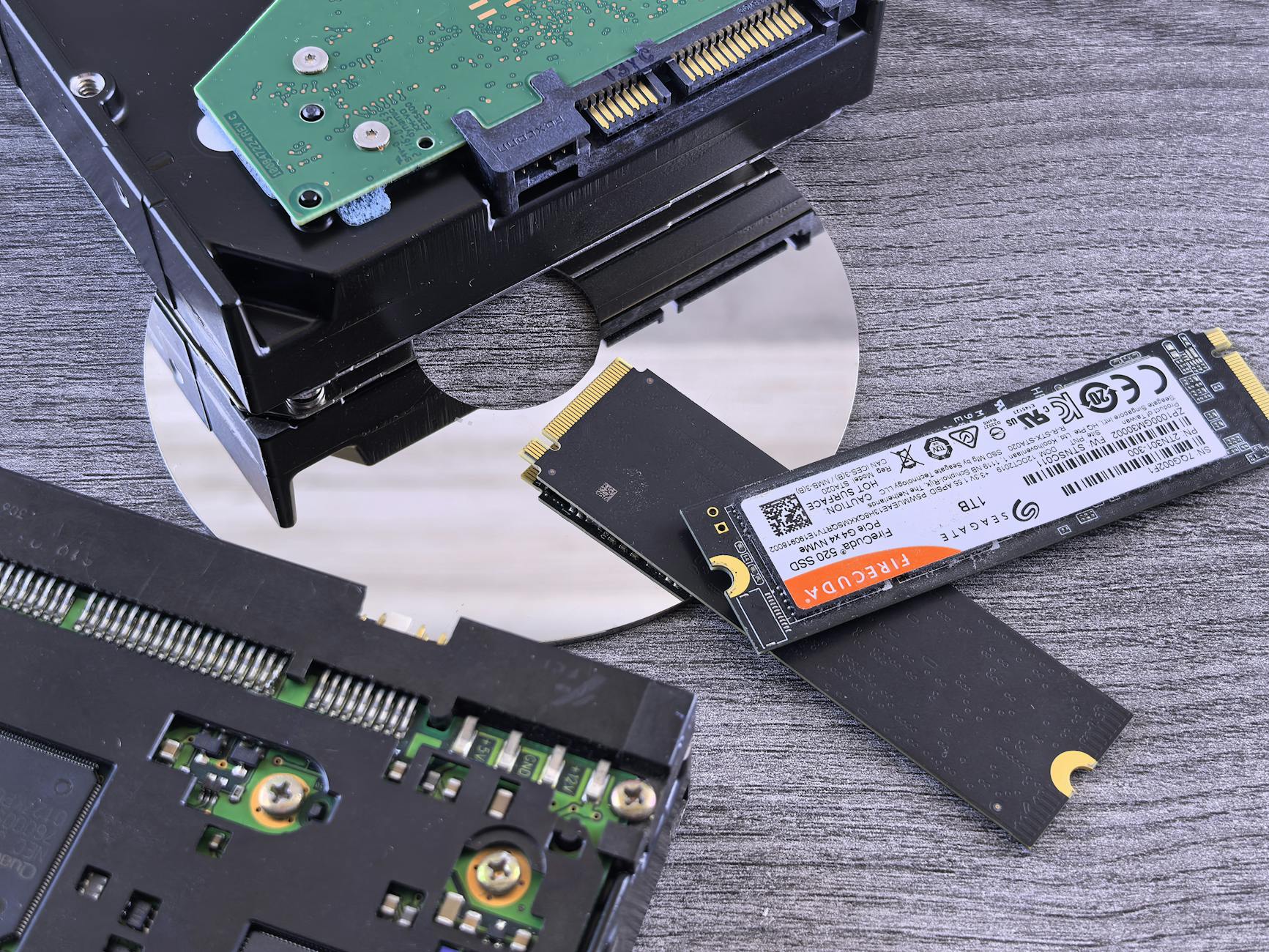
But why does this matter beyond the wallet? For consumers, it's a stark reminder of how quickly technology can outpace affordability. For businesses and data centers, the cost implications are even more severe, as scaling storage solutions to meet growing demands becomes an exercise in balancing performance against budget constraints. The parallels with RAM pricing are striking; just as memory modules have seen their costs skyrocket due to similar supply chain pressures, SSDs are now following a similar trajectory.
So, is it worth paying gold prices for your storage? That depends on what you're using the drive for. For professionals working in fields where speed is paramount—think video production or scientific computing—the investment can be justified by the sheer efficiency gains. For casual users, however, the question becomes one of necessity versus want. As prices continue to climb, the line between 'need' and 'nice-to-have' blurs, forcing consumers to weigh the long-term benefits against immediate financial costs.
The gold rush analogy isn't just about price; it's also about scarcity. High-end SSDs are no longer just a niche product for power users. They're becoming a commodity with limited supply, much like gold itself. This shift raises questions about sustainability and accessibility in the tech industry. If storage continues to follow this path, we may find ourselves in a world where the most valuable asset isn't the data on your drive, but the drive itself—literally.