Google’s Tensor chips can handle the computational load of liquid glass interfaces, but the company has chosen a different path—one that prioritizes battery life and real-world usability over visual fluidity.


Peter Molyneux's latest project, a strategy game set to launch on April 22, promises to redefine the god game genre...

A mysterious poster at an esports event hints at a possible 'Definitive Edition' for the original The Division, whi...

The long-awaited arrival of Call of Duty on the Nintendo Switch 2 may be closer than previously thought, with recen...

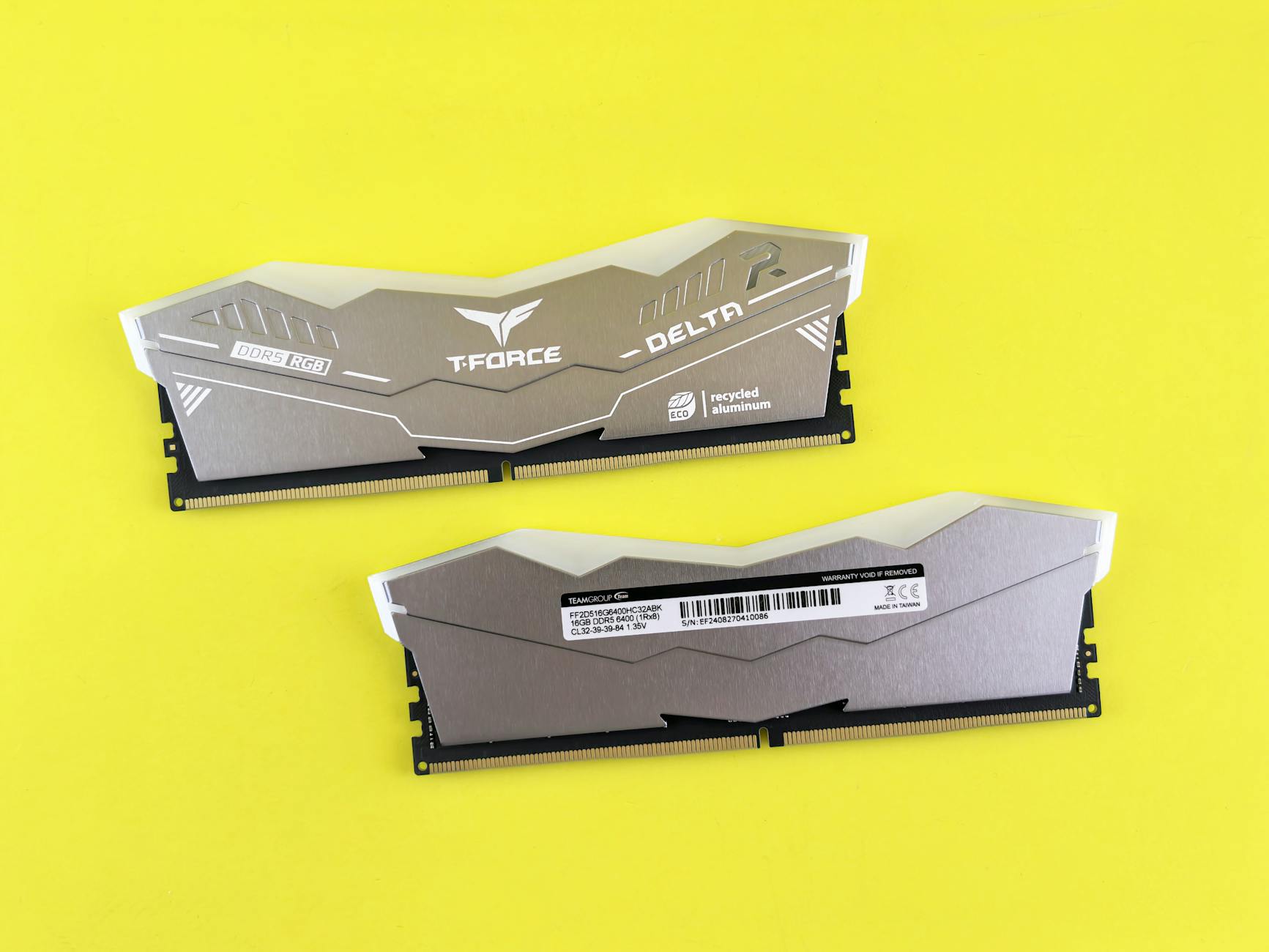
The smartphone industry faces unprecedented memory price surges, with LPDDR RAM costs up over 70% and NAND flash pr...

A small indie team’s rapid four-week creation cycle for Peak suggests shorter, focused timelines may offer advantag...
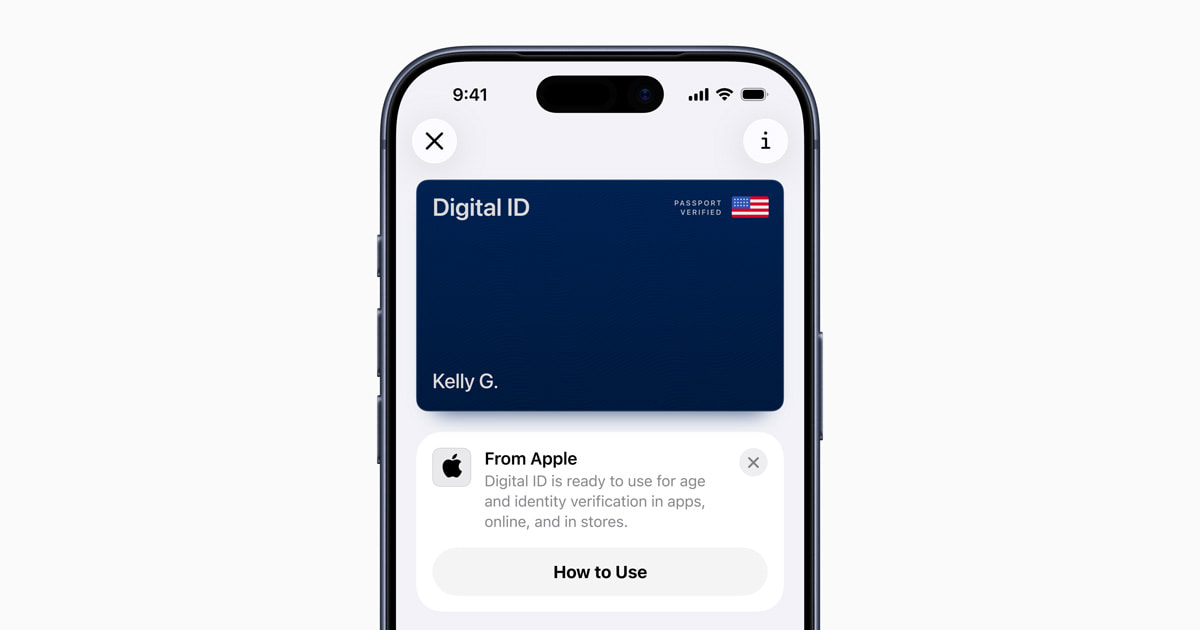
A new tool allows users to create and present a digital identity using passport data, leveraging iPhone and Apple W...

A new collaboration brings beloved characters from Netflix's Stranger Things to the multiplayer slasher, offering f...
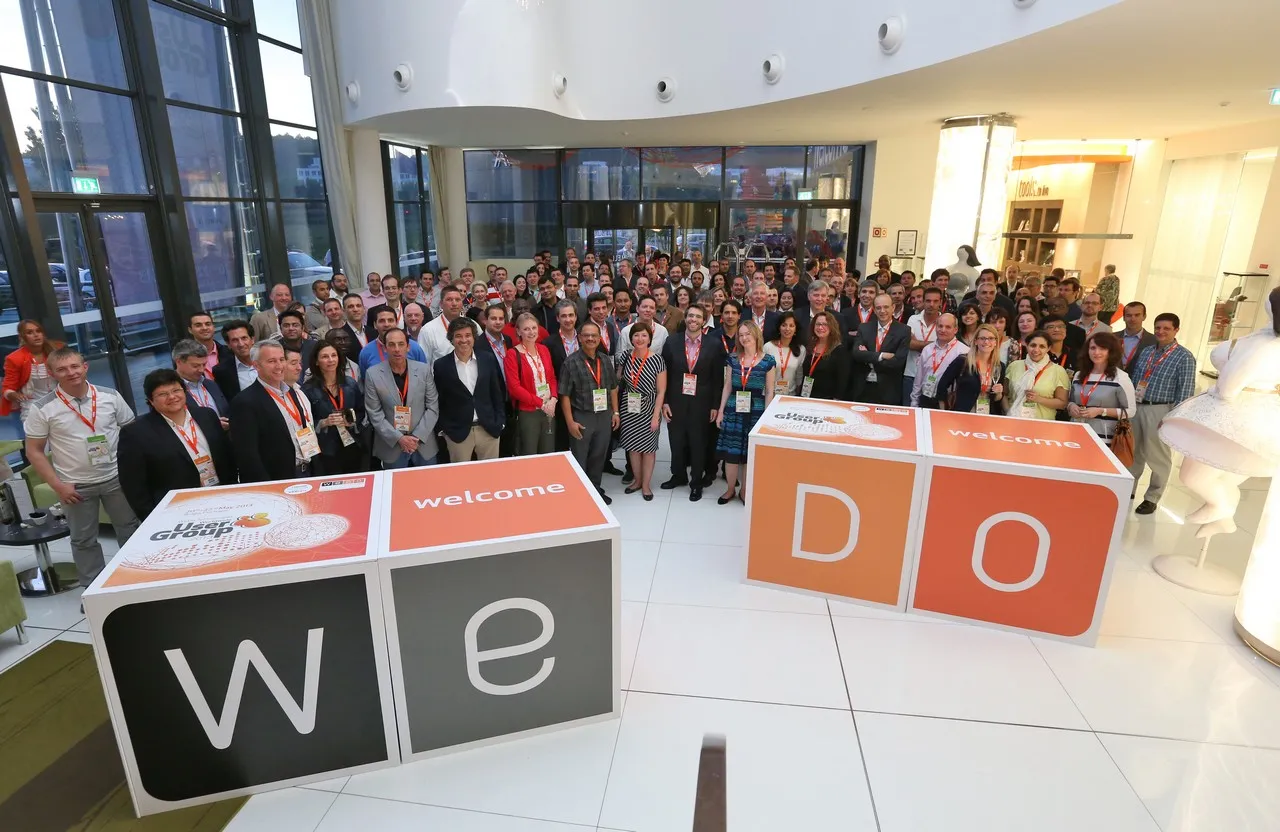
Tim Cain reflects on the evolving dynamics of game development, highlighting the increasing polarization among play...

After a prolonged development journey, Hytale has officially secured two years of funding through pre-purchases, en...

Games Workshop is bringing its iconic Warhammer World experience to the U.S., promising a multi-faceted destination...