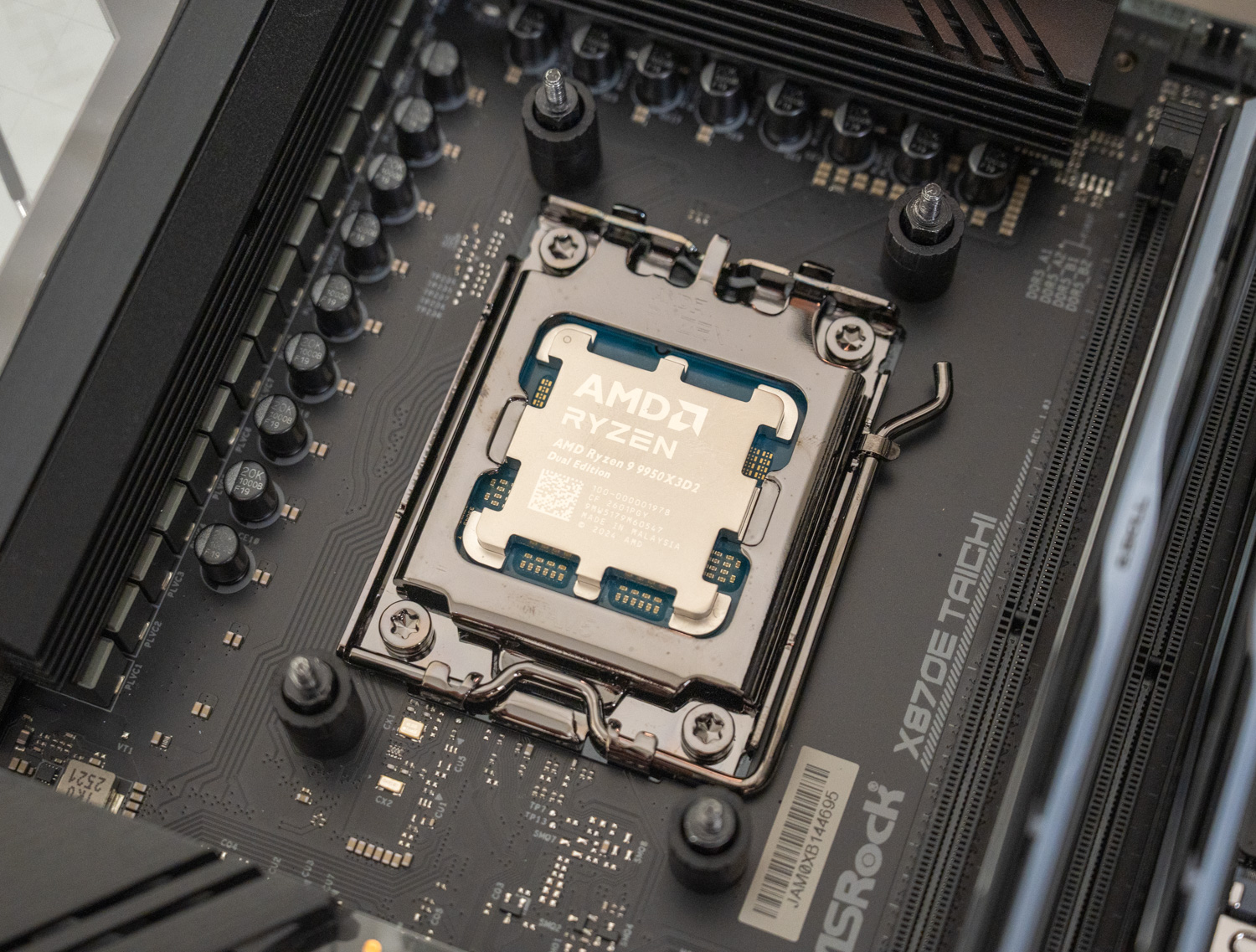
AMD’s Ryzen 9000 series has been plagued by an alarming trend: CPUs failing unexpectedly on AM5 motherboards, with ASRock boards emerging as the most frequently cited culprit. While the issue spans multiple vendors, ASRock has now taken direct action, announcing internal reviews, BIOS enhancements, and closer collaboration with AMD to stabilize systems running the latest processors.
The problem isn’t limited to overclocked setups—reports of Ryzen 9000 CPUs dying on stock clocks, including high-end models like the Ryzen 9 9950X3D and Ryzen 9800X3D, have flooded forums and tech communities. Even mid-range chips like the Ryzen 9600X and Ryzen 9850X3D have been affected, with some users experiencing multiple failures in rapid succession.
ASRock’s response centers on three key initiatives
- Internal reviews to identify potential hardware or firmware conflicts.
- Rigorous verification across a broad range of AM5 configurations, including 600-series and 800-series boards.
- BIOS optimizations aimed at improving system stability, particularly for Ryzen 9000 workloads.
The company emphasizes that it has been working closely with AMD to validate performance and mitigate risks, though it stops short of confirming a definitive cause for the failures. In a statement, ASRock highlights its commitment to quality and performance, urging affected users to contact technical support for further assistance.
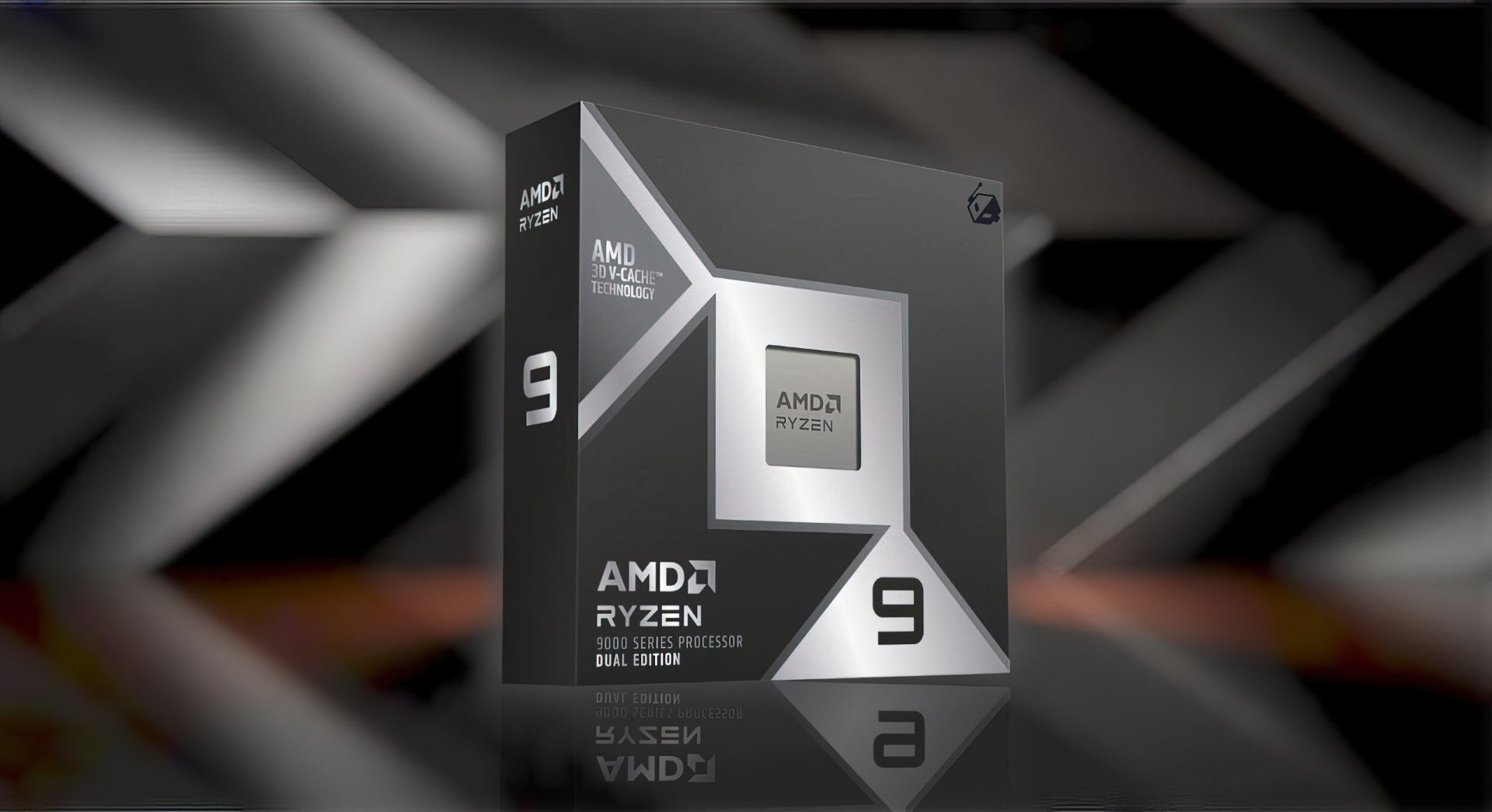
What’s at stake? The Ryzen 9000 series, particularly the 3D V-Cache models, delivers unmatched gaming performance—but only if the system remains stable. Early benchmarks show the Ryzen 9 9950X3D outperforming its predecessor, the Ryzen 9 7950X3D, by a significant margin in multi-core workloads, yet these gains are meaningless if the CPU fails prematurely.
For users already invested in AM5 platforms, the news offers cautious optimism. ASRock’s BIOS updates—expected to roll out in phases—could address compatibility issues, particularly with memory modules and power delivery. However, the root cause remains unclear, and without a clear explanation from AMD, the risk of further failures persists.

Who’s most affected? Enthusiasts and content creators running high-end Ryzen 9000 setups on ASRock’s 600-series and 800-series boards should monitor BIOS updates closely. Those using Intel’s Core Ultra Series 2 report similar failure rates, suggesting a broader industry challenge—but ASRock’s proactive stance sets it apart.
As investigations continue, one question looms: Will these measures be enough to restore confidence in Ryzen 9000 reliability, or is this just the beginning of a larger stability crisis for AM5?
Key specs and models under scrutiny
- Processors: Ryzen 9 9950X3D, Ryzen 9800X3D, Ryzen 9600X, Ryzen 9850X3D
- Platforms: ASRock AM5 motherboards (600-series and 800-series)
- Reported issues: CPU failures on stock clocks, system instability, potential VRM or memory compatibility flaws
The updates, while not yet publicly detailed, could include refined power-phase tuning, improved memory profiling, or even hardware revisions for high-risk models. AMD has not yet commented on whether this is an isolated vendor issue or a systemic problem requiring broader fixes.
For now, users are advised to
- Check for pending BIOS updates on ASRock’s support site.
- Verify system stability with stock settings before overclocking.
- Consider temporary workarounds, such as disabling XMP or adjusting power limits.
Availability of updated BIOS versions has not been confirmed, but ASRock’s technical support team is reportedly prioritizing cases involving Ryzen 9000 instability. The situation underscores the fragility of high-performance PC builds in an era where even flagship CPUs can succumb to unforeseen hardware conflicts.