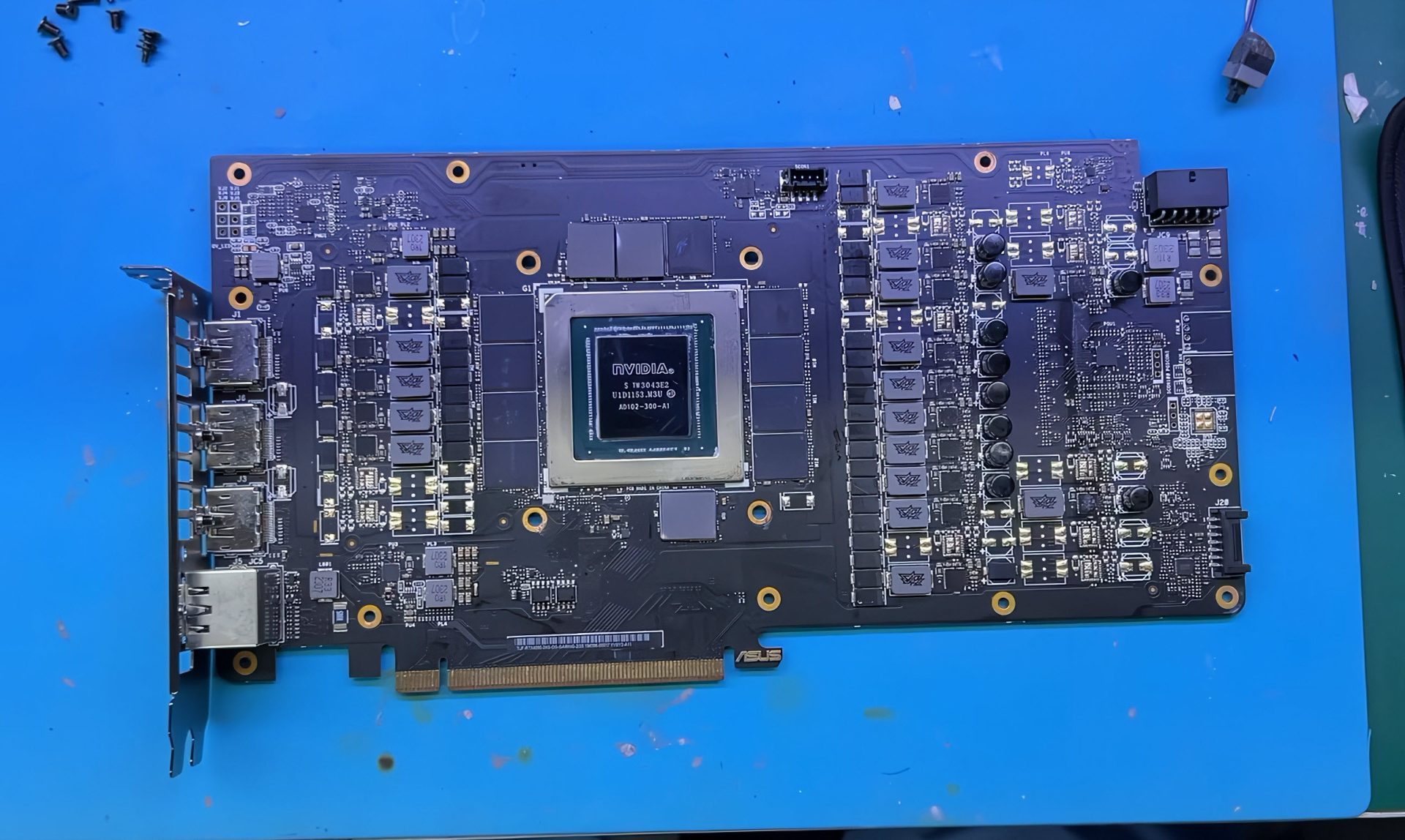
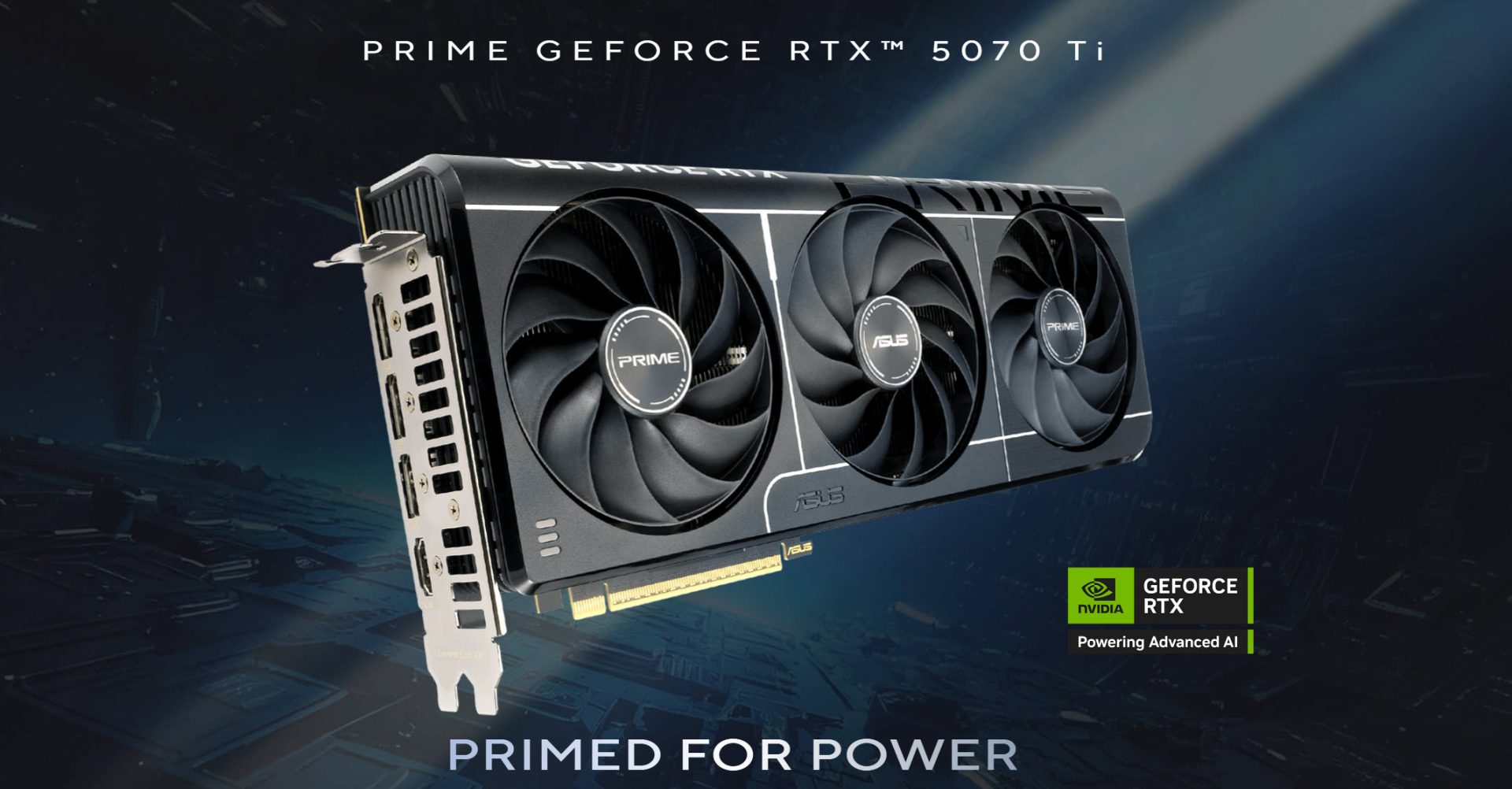
The ASUS RTX 5070 Ti was set to arrive with a balanced performance-to-price ratio, but a sharp memory shortage has forced a pivot. Production now leans toward the higher-margin RTX 5080, leaving the 5070 Ti's timeline uncertain.
This shift reflects deeper supply chain challenges in the GPU market, where memory availability has become a critical bottleneck for mid-range and high-end cards alike. ASUS is not alone in adjusting strategies—other manufacturers are also feeling the pressure to prioritize products that maximize revenue per unit while maintaining profitability.
A Product Designed for Balance
The RTX 5070 Ti was intended to sit between the RTX 5070 and RTX 5080, offering a more affordable entry point into NVIDIA's Ada Lovelace architecture without sacrificing too much performance. Key specs included
- GPU: AD104-based architecture
- Memory: 24 GB GDDR6X, 384-bit bus
- Storage: 12 GB GDDR6X (on some variants)
- Clocks: Base clock up to 2.5 GHz, boost clock up to 2.9 GHz
- Pricing: Initially targeted around $800 USD
The design aimed to deliver strong ray tracing performance and DLSS 3 support while keeping costs in check. However, the sudden memory shortage has made this balance difficult to achieve, pushing ASUS to reconsider its priorities.
Why This Matters for Buyers
For consumers, the delay means fewer options in the mid-range segment, where competition is already tight. The RTX 5070 Ti was expected to fill a gap between the RTX 4070 and RTX 4080, but its absence could leave buyers relying on more expensive alternatives or waiting longer for availability.
The shift toward the RTX 5080 also raises questions about whether mid-range GPUs will remain a viable segment in the coming months. With memory prices still volatile, manufacturers may continue to favor higher-margin products, potentially leaving budget-conscious buyers with fewer choices.
What's next remains unclear. ASUS has not confirmed a new timeline for the RTX 5070 Ti, and it's possible that production could be scaled back or even canceled if memory shortages persist. For now, buyers should monitor supply updates closely to avoid missing out on this segment entirely.