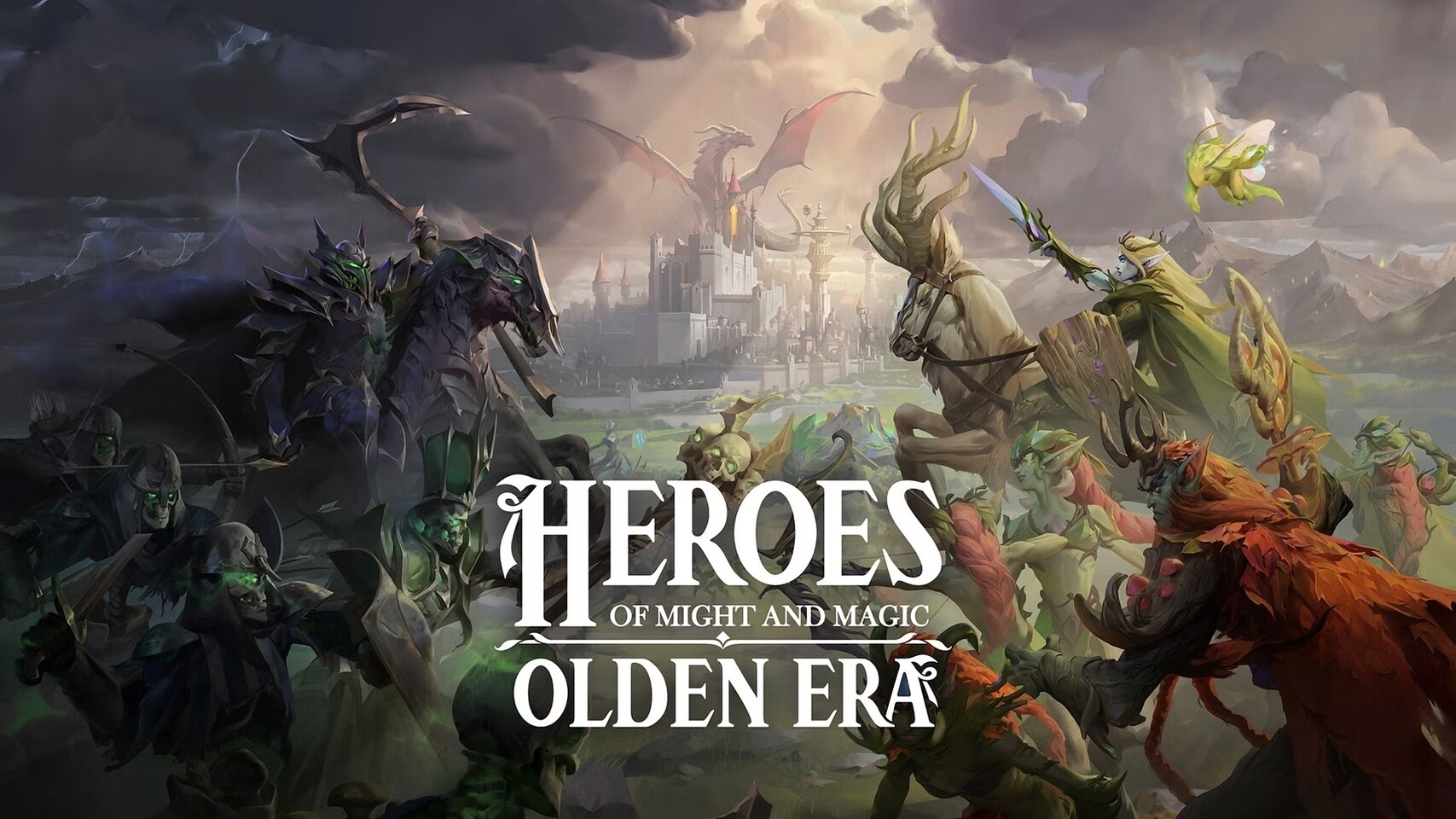
Intel's latest beta graphics driver for its Arc GPU lineup has arrived with a mix of progress and lingering challenges. The 101.8737 release marks a step forward by adding game-ready support for two new titles—'Heros of Might & Magic: Olden Era,' an RPG, and 'Neverness to Everness,' an open-world adventure—but it also brings a series of fixes and new issues that highlight the ongoing complexity of refining Intel's GPU ecosystem.
The most notable change is the resolution of long-standing crashes in 'Pragmata' when using DirectX 12 on a broad range of Intel Arc GPUs. These crashes affected everything from integrated graphics in older Core Ultra series processors to discrete Arc A-series and B-series GPUs, including models like Panther Lake, Lunar Lake, Meteor Lake, and the newer Battlemage architecture. While this fix is significant for users who rely on these GPUs for gaming, it comes with a caveat: other games are now experiencing instability, particularly in titles like 'Fortnite,' where crashes during launch have been reported on Wildcat Lake systems.
For IT teams managing workstations or development environments, the driver's impact is twofold. On one hand, the elimination of crashes in 'Pragmata' could streamline workflows for users who depend on DirectX 12 for complex rendering tasks. However, the emergence of new issues—such as intermittent corruption in 'Call of Duty Black Ops 6' and 'Dune: Awakening' on discrete Arc B-series GPUs—introduces fresh constraints that may require additional troubleshooting or hardware adjustments.
The driver also includes recommendations for benchmarking tools like PugetBench, where users are advised to adjust timeout settings to avoid crashes during testing. This suggests that while performance improvements are being made, the underlying stability of Intel's GPU stack remains a work in progress, particularly when compared to competitors who have established more mature ecosystems.
Looking ahead, the practical implications for IT teams revolve around balancing the benefits of newer game support against the persistent challenges in stability. For now, users with older integrated GPUs or those working on projects that rely heavily on DirectX 12 may see immediate improvements, but the trade-off is a broader set of potential issues across other titles. As Intel continues to refine its GPU software stack, the focus will likely shift toward addressing these inconsistencies while maintaining compatibility with a growing range of applications.