Indie game development has always been a solitary pursuit, but in an age where algorithms are trained on vast swaths of public content, one developer is drawing a firm line.
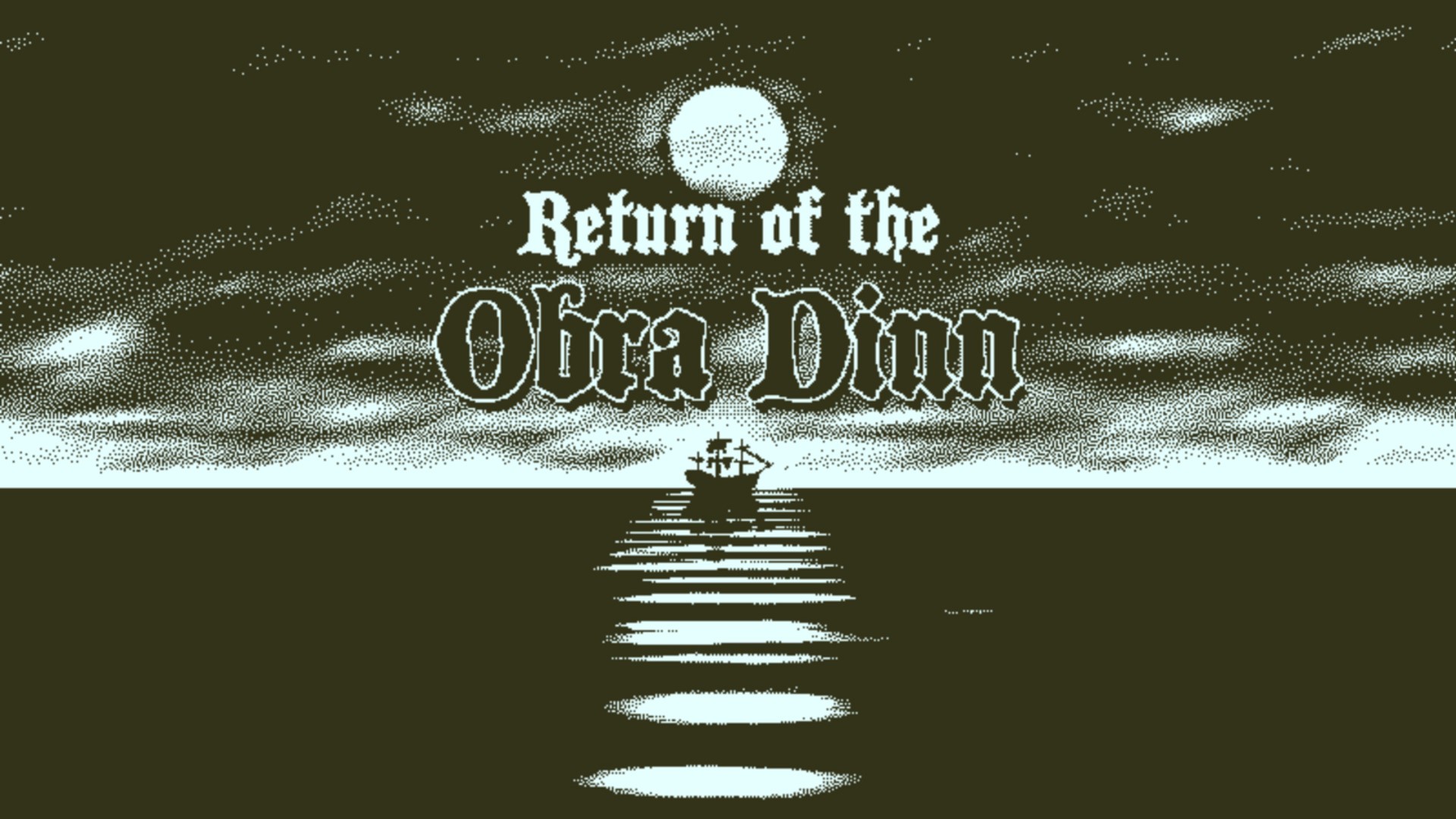
Lucas Pope, known for his meticulously crafted games like Papers, Please and Return of the Obra Dinn, has decided not to host his work online. His reasoning? A deep-seated fear that his creations could be 'slurped up' by AI systems without his consent or compensation.
This isn't just about one developer's preferences—it reflects a growing tension in the industry between creative control and the relentless march of machine learning. As AI models become more pervasive, developers are forced to confront an uncomfortable reality: sharing their work online may no longer be a neutral act.
The Decision That Changes Everything
Pope's approach is unusual but not unique. Many creators are now reconsidering how and where they share their content in the digital age. The rise of AI training datasets has turned public repositories into potential goldmines for machine learning, often without the original creators knowing or benefiting.
For Pope, this means his games—built with years of labor, narrative precision, and pixel-perfect artistry—could end up as part of an unseen dataset fueling AI-generated outputs. That’s the upside: here’s the catch. While he acknowledges that some exposure is inevitable, he chooses to limit it actively, ensuring his work remains under his direct control.
What This Means for Developers and Players
- Creative Autonomy: Developers like Pope are reclaiming agency over their intellectual property. The days of 'share first, ask questions later' may be waning as creators demand more transparency from AI platforms.
- Market Dynamics: This shift could reshape how indie games and digital content are distributed. If developers start hosting work privately or behind paywalls, the landscape for discovery and accessibility will change significantly.
- Player Accessibility: For players accustomed to instant downloads from platforms like Steam or itch.io, Pope’s approach means some of his games may remain harder to find—unless he chooses to release them in controlled environments.
The implications are far-reaching. If more developers follow this path, AI training could face a critical shortage of public content, potentially slowing its advancement. Conversely, players might see fewer works available unless new models for compensated sharing emerge.
Pope’s stance is a microcosm of a larger conversation about ownership in the digital era. As AI continues to evolve, the balance between innovation and creator rights will be one of the defining battles of the next decade.