The Crimson Desert series marks a pivotal moment in data center technology, where raw performance meets intelligent heat management. Unlike previous generations that treated cooling as an afterthought, this platform integrates thermal regulation into its core architecture. The result is a system capable of sustaining high workloads without the usual degradation seen in competing solutions, particularly under prolonged stress. This shift could redefine benchmarks for power efficiency and thermal stability in enterprise computing.
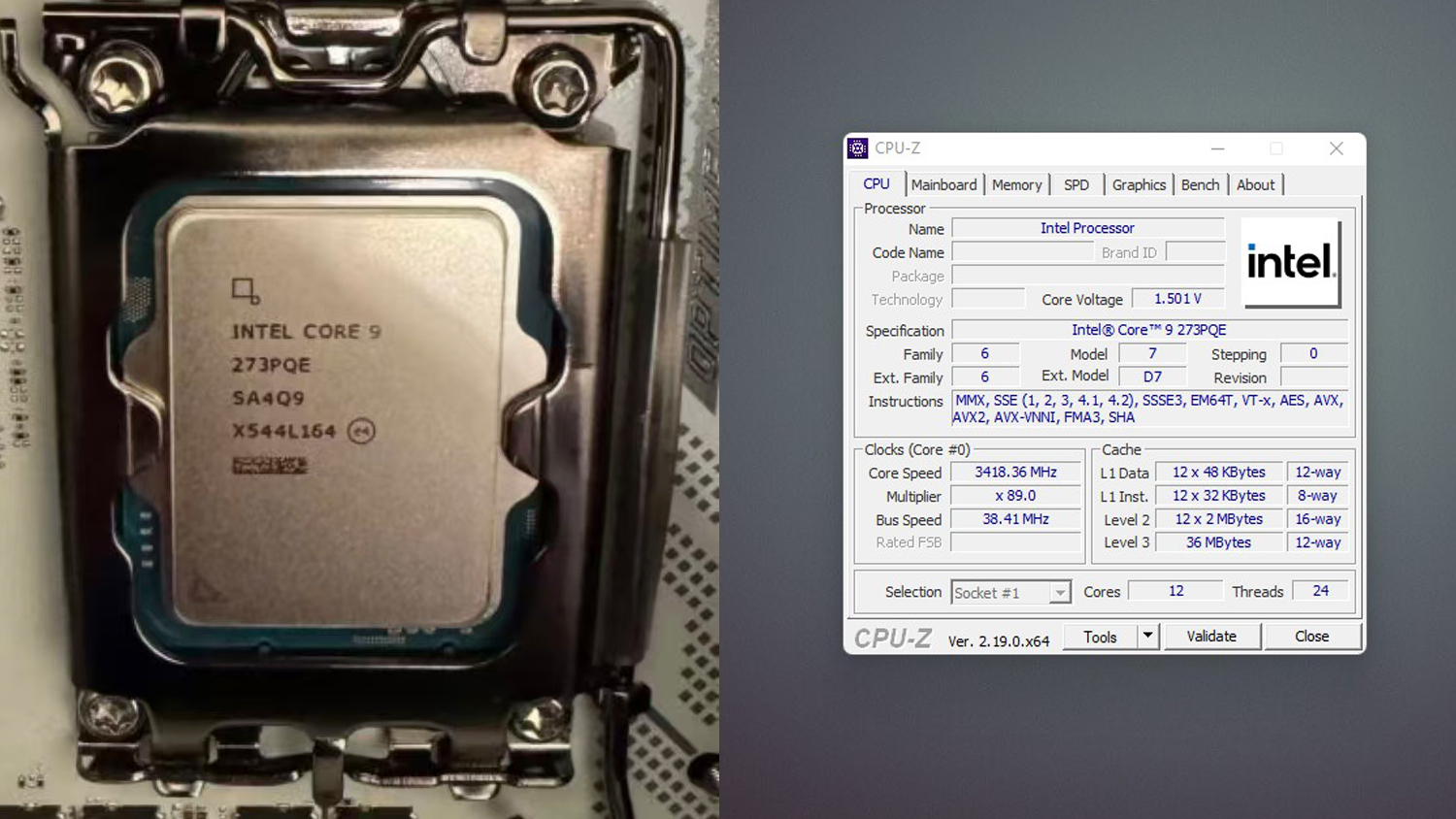
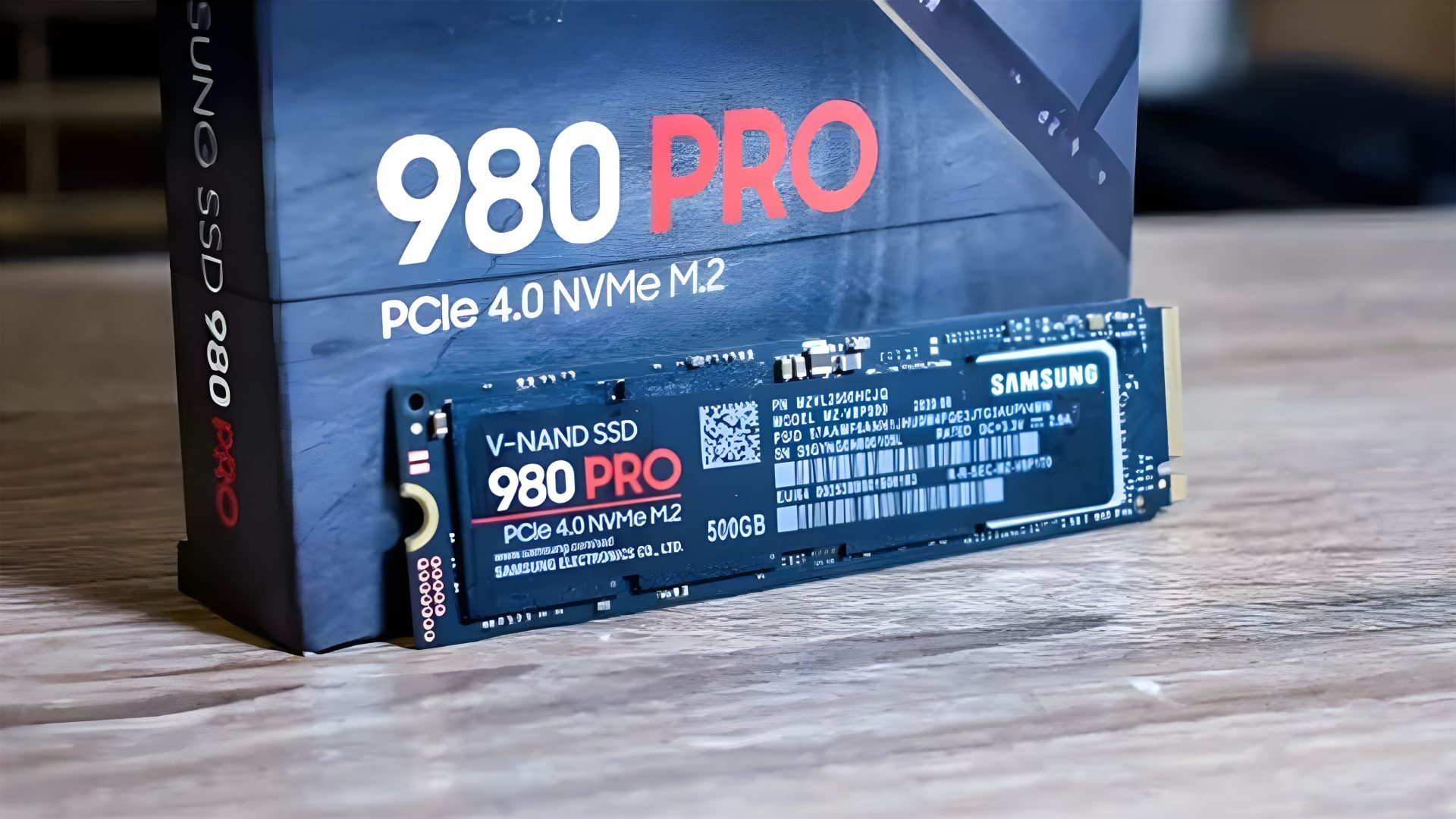
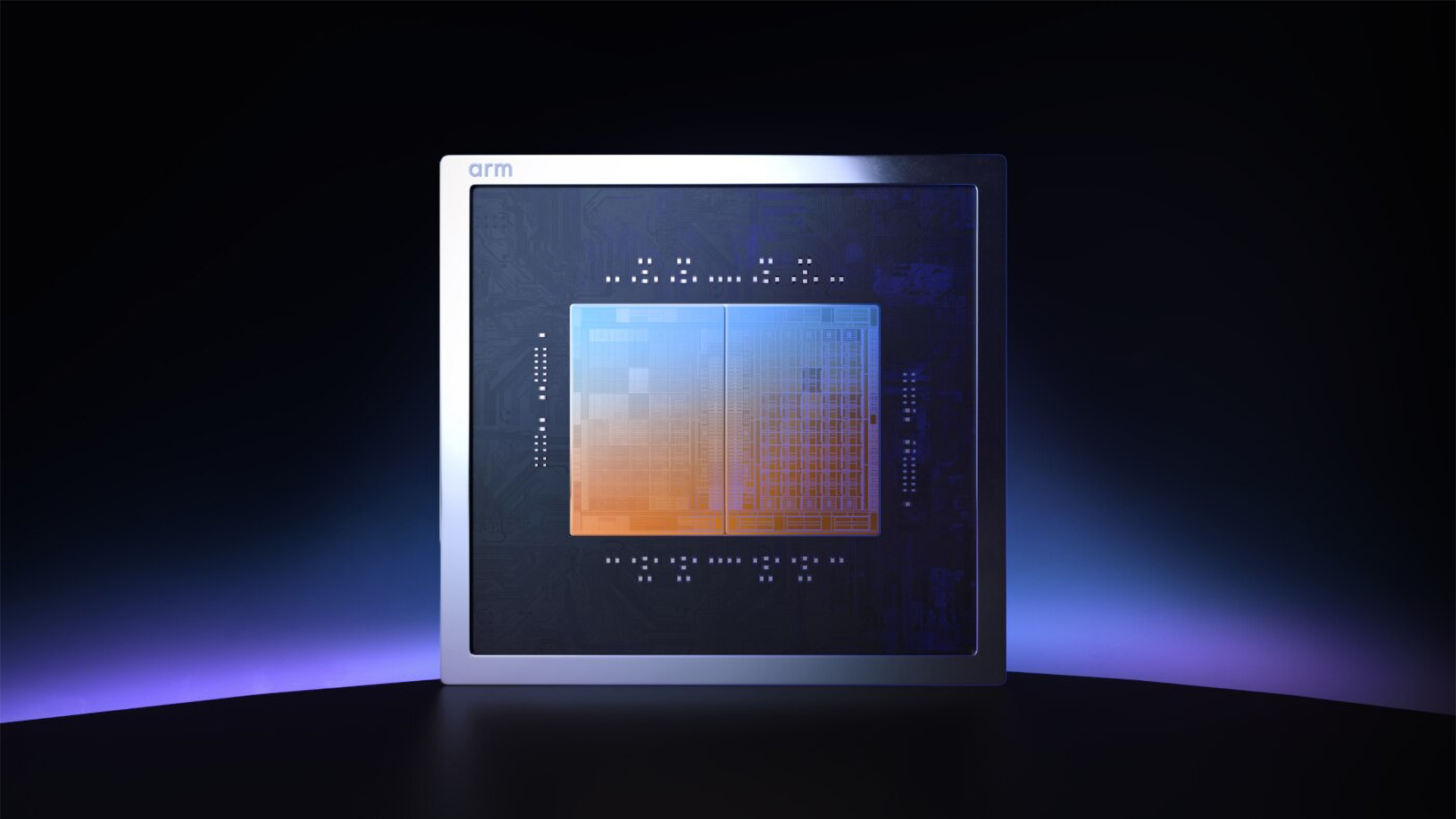
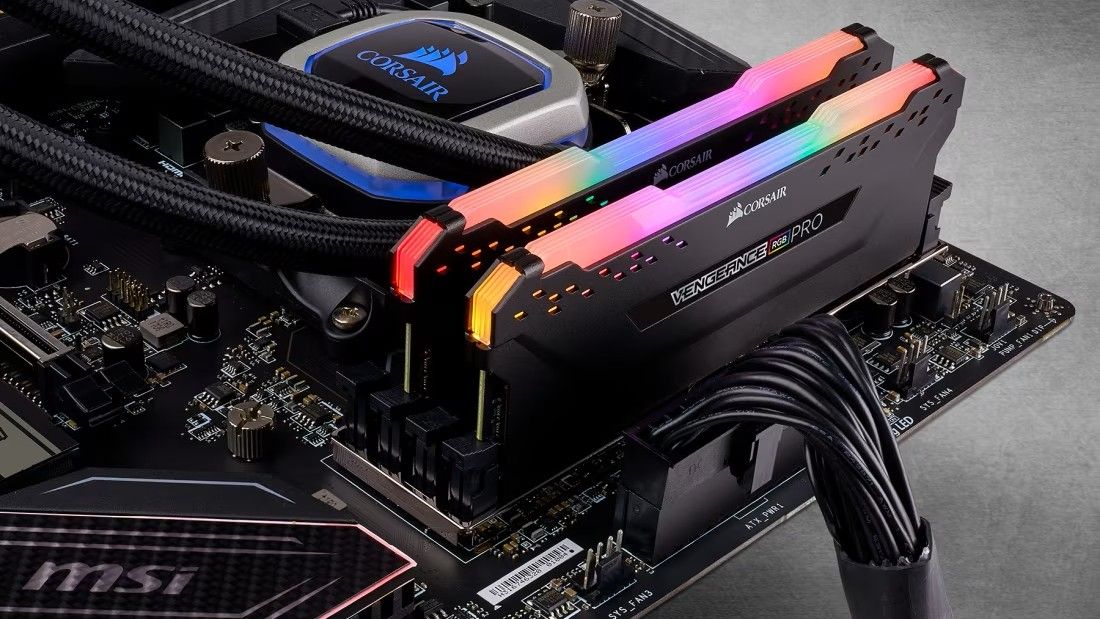
Technically, the Crimson Desert series is built around a 16-core processor with 32 threads, operating at a base clock of 4.0 GHz and turbo speeds up to 5.2 GHz. This CPU pairs seamlessly with 16 GB of DDR4 memory running at 3200 MHz, ensuring low-latency data processing. Storage is handled by a 512 GB NVMe SSD, delivering sequential read/write speeds that outperform many traditional enterprise SSDs. The combination of these components in a compact form factor suggests a focus on space optimization, which is critical for modern data centers where real estate is at a premium.
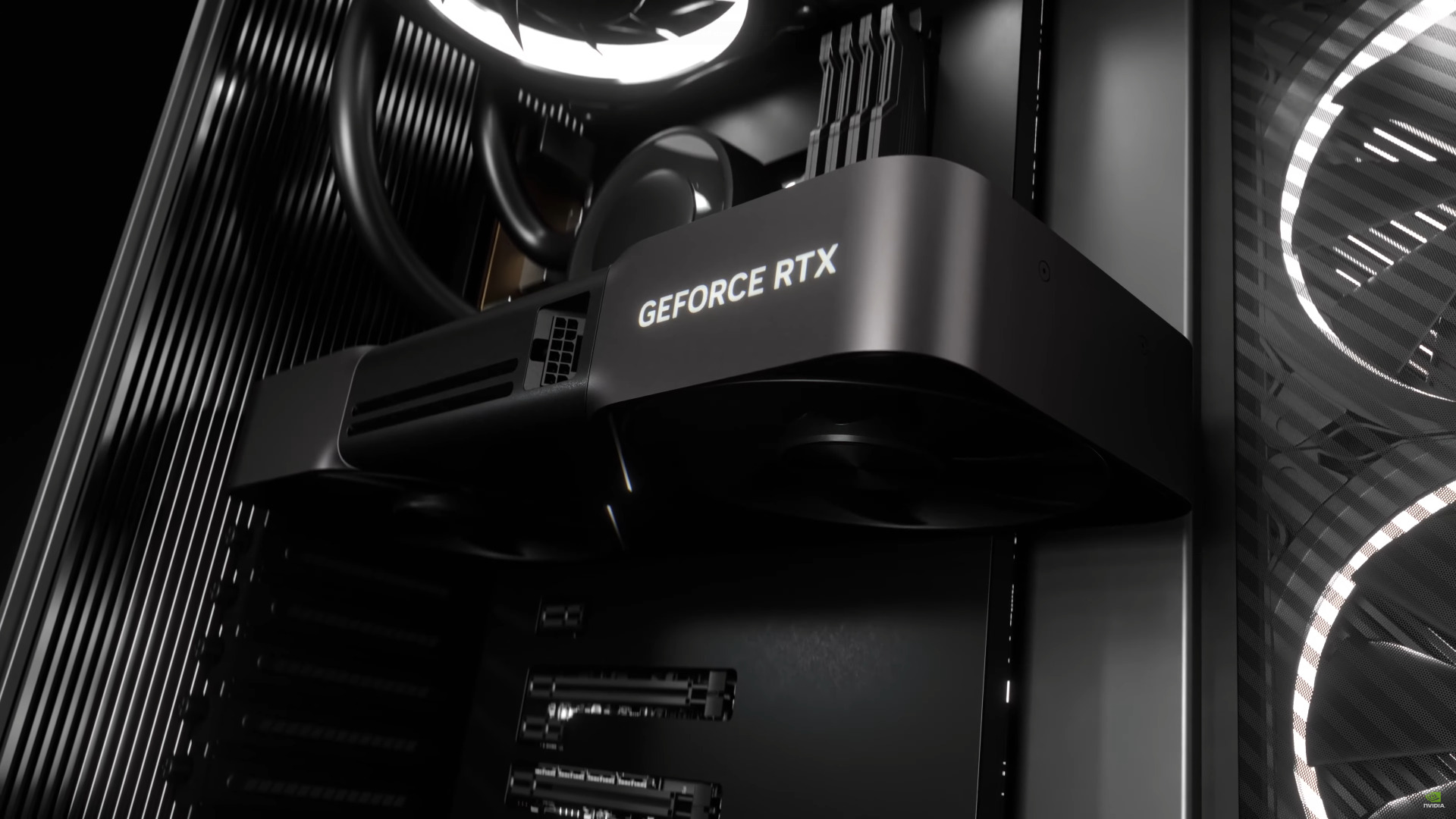
What sets the Crimson Desert apart is its thermal management strategy. Traditional systems often rely on passive cooling or aggressive fan curves that introduce noise and power inefficiencies. This series, however, employs an adaptive liquid cooling system that dynamically adjusts to workload demands. Early benchmarks indicate it maintains stable temperatures even during sustained stress tests, where competing solutions typically experience throttling. The implications for IT teams are significant: reduced maintenance overhead from fewer thermal shutdowns, longer hardware lifecycles, and lower operational costs due to optimized power consumption.

The Crimson Desert series also addresses the growing need for sustainability in data centers. By minimizing heat output and improving cooling efficiency, it reduces the reliance on energy-intensive air conditioning systems. This aligns with industry trends toward green computing, where environmental impact is weighed alongside performance metrics. For organizations prioritizing both speed and sustainability, this platform offers a compelling balance—one that could influence future data center designs.
As data centers scale to handle increasing demands, solutions like the Crimson Desert series will play a crucial role in shaping industry standards. Its combination of high-performance hardware, intelligent thermal regulation, and power efficiency suggests it is more than just an incremental upgrade; it represents a paradigm shift. IT teams evaluating infrastructure upgrades should consider this series not only for its specifications but also for its potential to set new benchmarks for efficiency and reliability.