OLED gaming monitors have long been dogged by concerns over burn-in, the gradual fading of static elements that could turn a pristine display into a ghostly relic after years of use. But a new real-world test, this time with an LG WOLED panel, offers a glimmer of reassurance: after 3,000 hours of mixed gaming and content creation—spanning nearly two years—the damage is barely perceptible.
The test, conducted by the YouTube channel Optimum, focused on a 32-inch 4K LG UltraGear 32GS95UV, a model nearly identical to the 32GS95UE reviewed earlier. Unlike previous studies centered on Samsung’s QD-OLED panels, this assessment specifically targets LG’s WOLED technology, which has been less scrutinized in long-term burn-in evaluations. The monitor was used under typical conditions: brightness fluctuated between 80% and 100% depending on lighting, Windows dark mode was enabled with an autohidden taskbar, and no additional anti-burn-in measures were taken beyond the default panel cleaning routine that activates when the display is off.
The results? Almost nonexistent. After 3,000 hours—including 400 dedicated to Overwatch—the only visible burn-in appeared as a faint shadow in the bottom-left corner, corresponding to the game’s white health bar. Even this was barely noticeable during normal use, requiring deliberate scrutiny to detect. Other minor artifacts existed but were so subtle they vanished under everyday viewing conditions. Brightness dropped from 262 nits to 258 nits—a negligible change that wouldn’t be felt by users.
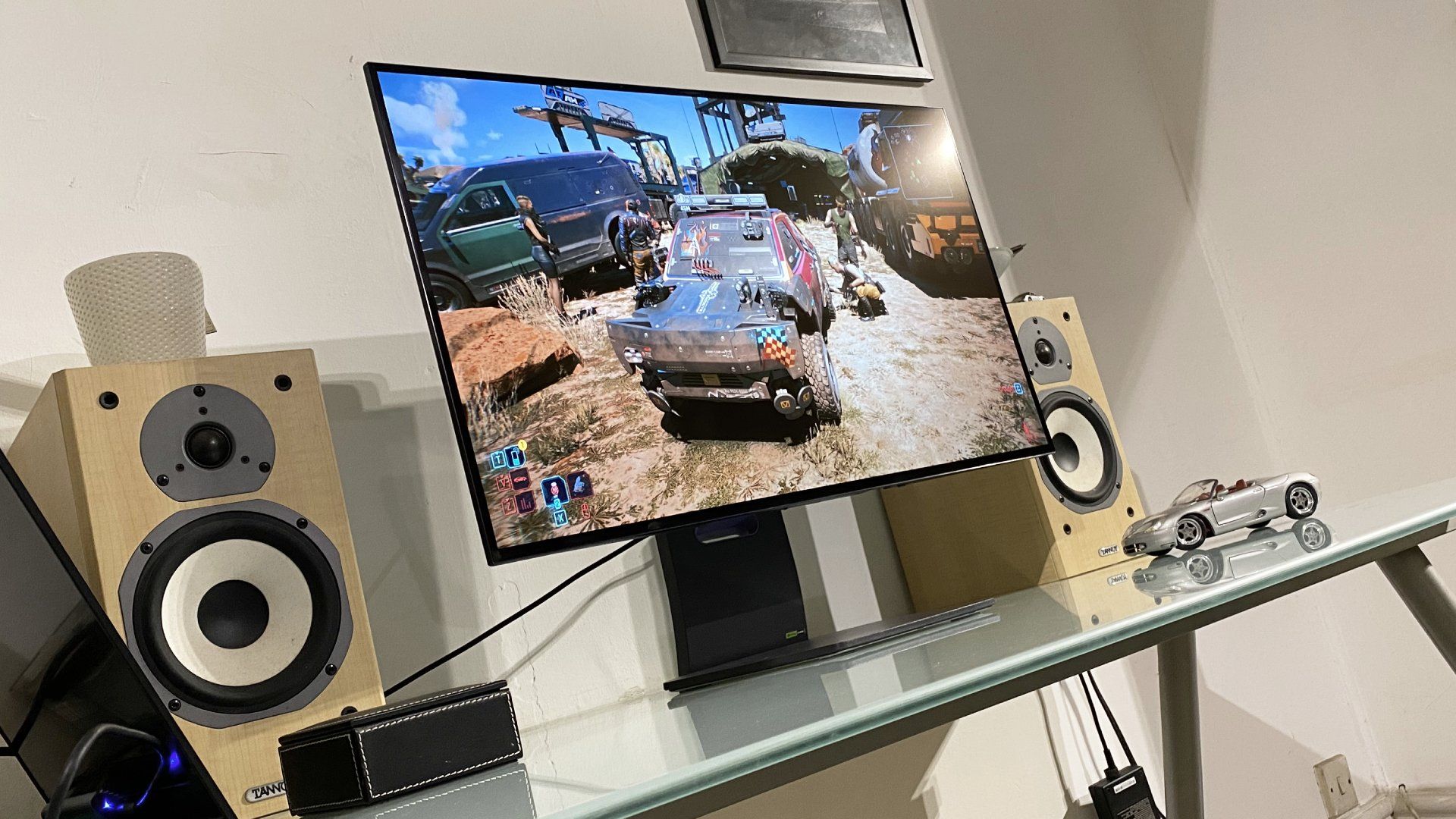
Key specs of the tested monitor
- Panel: 32-inch 4K WOLED (LG UltraGear)
- Resolution: 3840 x 2160 (4K) with 1080p dual-mode support
- Brightness: 80–100% dynamic range (measured at 262 nits new, 258 nits after 3,000 hours)
- Anti-burn-in measures: Default panel cleaning (no pixel shifting or screen dimming)
- Usage breakdown: 400 hours of Overwatch, remainder split between gaming and content creation
While the findings are promising, they come with caveats. The test assumes moderate usage—400 hours in a single title over two years is heavy for most players, but not extreme. Optimum’s advice for minimizing burn-in remains practical: stick to dark mode, hide static UI elements like the taskbar, avoid Windows’ screen snap feature, and leave default panel protections enabled. The takeaway? Burn-in is still a risk, but not an automatic dealbreaker. For gamers who take basic precautions, an OLED monitor can deliver stunning visuals without premature degradation.
The broader implication is that OLED’s reputation as a fragile technology is overstated. With responsible habits, these panels can last far longer than early fears suggested—bridging the gap between cutting-edge performance and practical longevity.