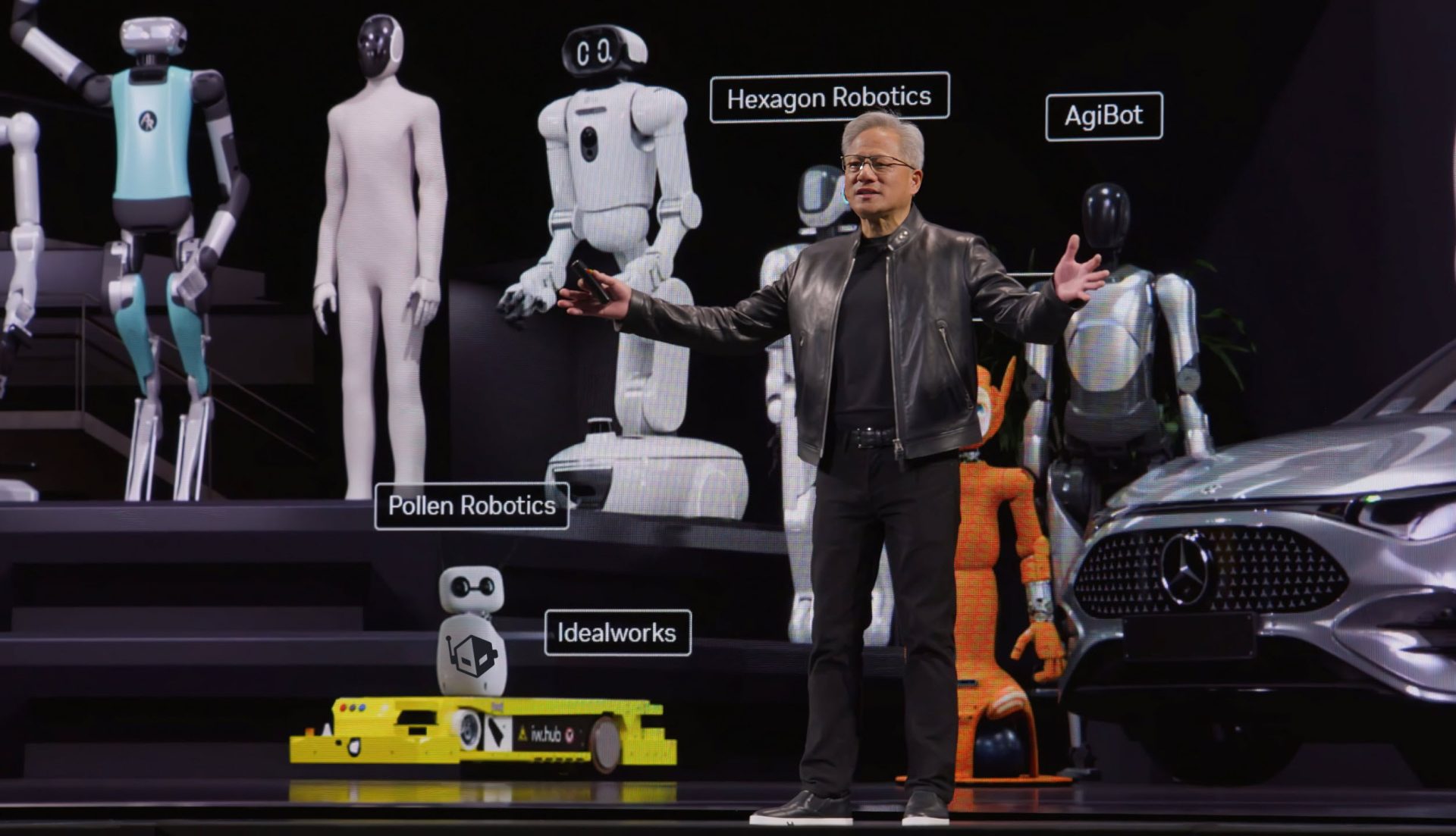
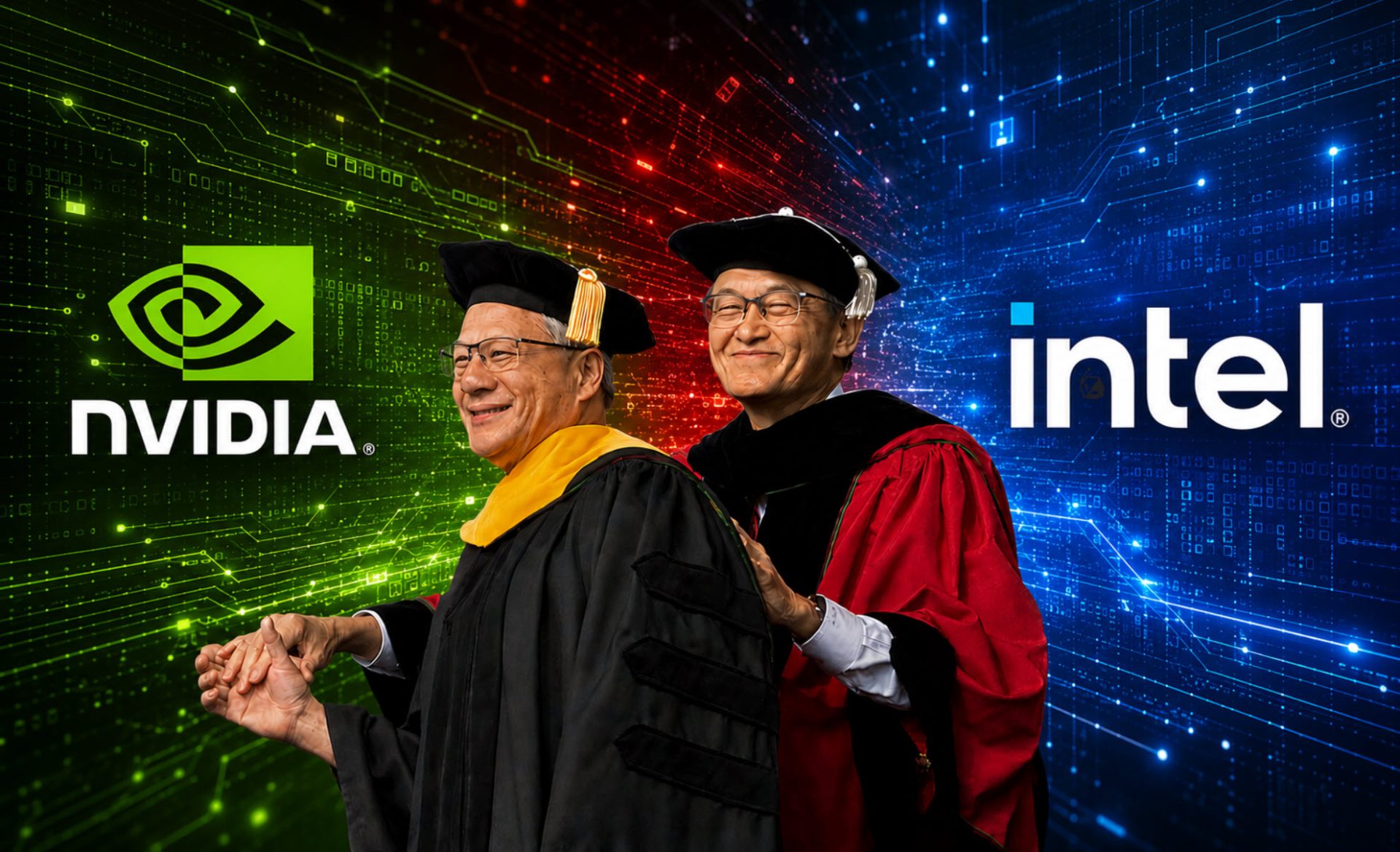
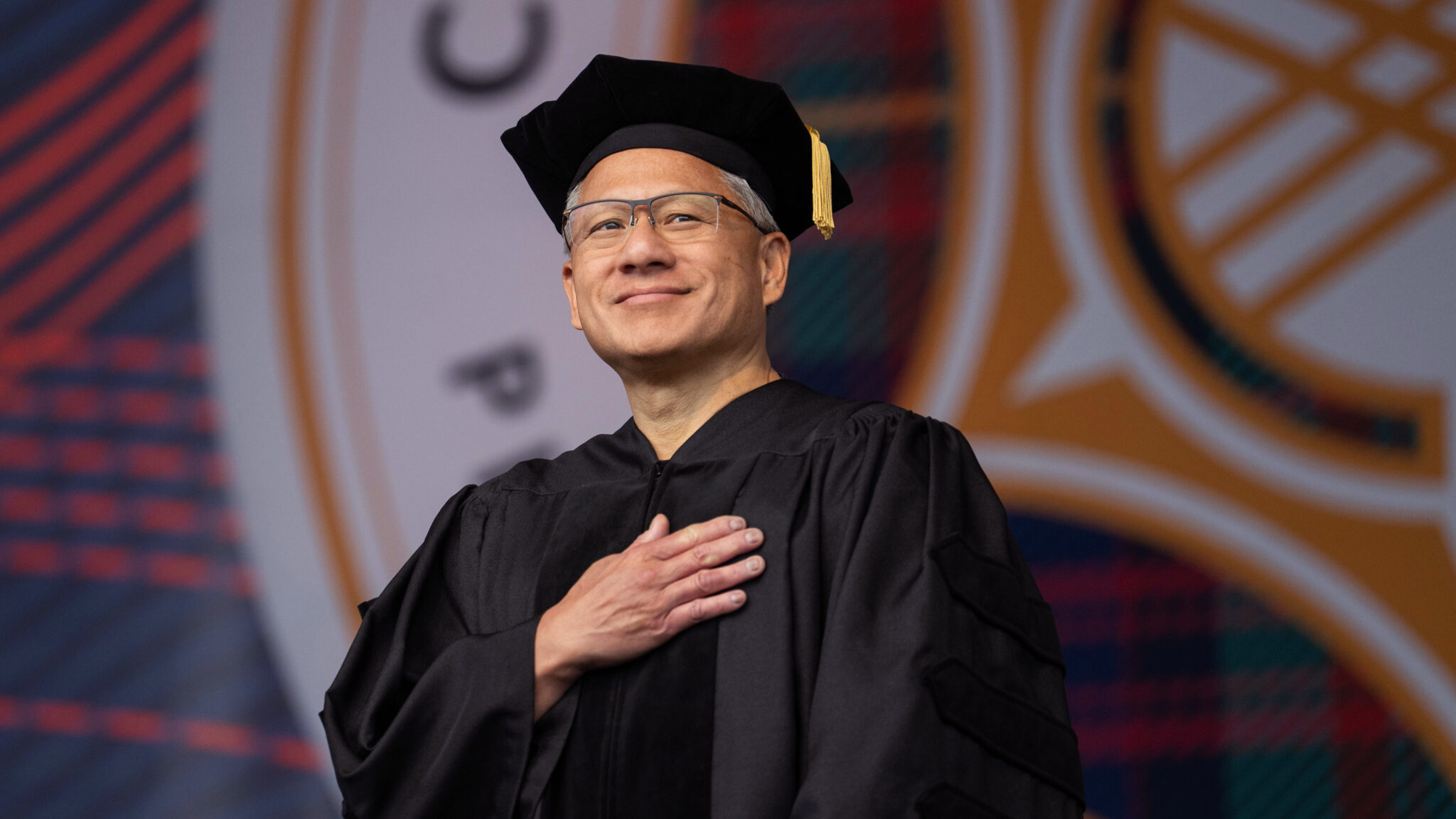
Standing before thousands of graduates in Pittsburgh, NVIDIA’s CEO positioned artificial intelligence at the threshold of becoming the most transformative industrial force since the PC revolution. The moment was framed not as a fleeting trend but as the foundation for an economic rebuild that could redefine American industry.
The address drew parallels between past computing revolutions—PCs, the internet, mobile—and the current AI wave, emphasizing that intelligence is no longer confined to elite domains. Huang described this era as one where technology infrastructure expansion rivals any in history, with AI acting as both a catalyst and a tool for reindustrialization.
From Tools to Industrial Shift
The transition from PCs to mobile to cloud laid the groundwork for today’s AI-driven changes. Unlike previous shifts, however, AI is not just about faster or smaller devices—it is reshaping how industries operate at their core. Huang highlighted sectors like healthcare, where radiologists no longer spend hours on scans but focus on patient care, illustrating how AI automates tasks while elevating the purpose of work.
Broad Accessibility and Responsible Advancement
The opportunity extends beyond technical fields, reaching electricians, plumbers, and builders—professions that Huang argued are poised for transformation. Yet, this expansion comes with responsibility. He stressed the need for ‘clear-eyed’ policies that balance innovation with safety, ensuring AI’s benefits reach widely rather than deepen divides.
A Legacy of Innovation
Carnegie Mellon University, where the address was delivered, stands as a symbol of this legacy. From the Logic Theorist—a 1950s program considered the first AI application—to the Robotics Institute, the university has been at the forefront of shaping AI’s trajectory. Huang’s own journey, as a first-generation immigrant who saw America as a land of opportunity, mirrored the paths of the graduates he addressed.
What to Watch
- Industrial Adoption: How quickly enterprises will integrate AI into workflows, particularly in sectors like construction and healthcare.
- Policy Frameworks: The development of guardrails that protect society while allowing innovation to thrive.