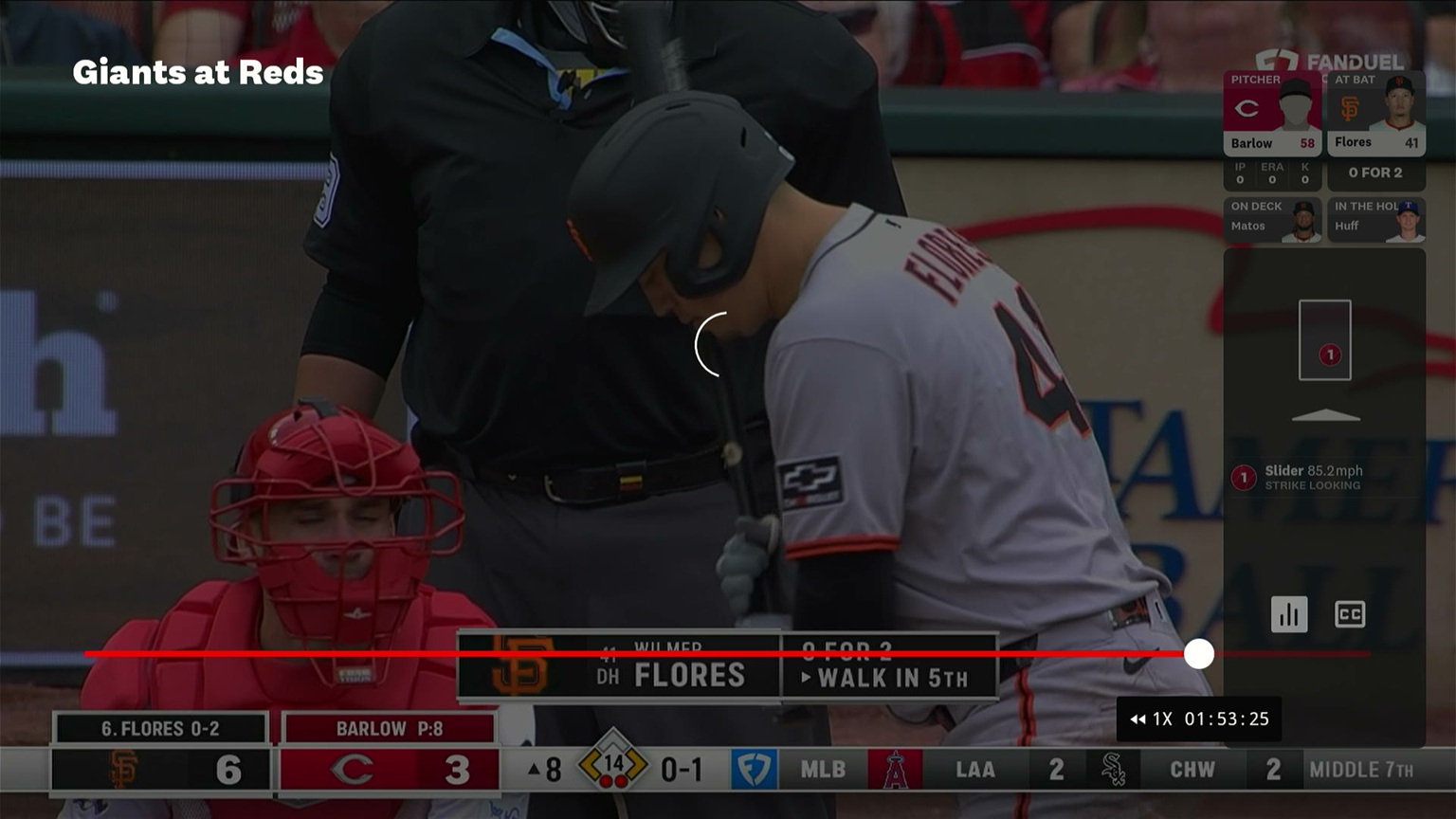
Baseball fans facing the end of FanDuel Sports Network may soon see a brighter streaming future. The Sinclair-owned regional sports network, which has struggled to secure buyers, is losing nine MLB teams to a direct partnership with the league itself. For cord-cutters, this shift means lower costs and a more robust streaming experience—one that includes multi-view capabilities, no blackouts, and a sleek app interface.
The move away from FanDuel isn’t just a technical switch—it’s a strategic pivot. Nine teams, including the Reds, Royals, Marlins, Brewers, Cardinals, Rays, Tigers, Angels, and Braves, are transitioning to MLB’s in-house streaming platform. Most will join the league’s existing lineup, while the Braves plan to launch their own standalone network. Fans in these markets will now access games through the MLB app, which offers a $100 seasonal pass (down from FanDuel’s $123) or a $20 monthly rate.
A Better Deal for Cord-Cutters
The most immediate win for fans is cost. MLB’s new pricing structure undercuts FanDuel by $23 annually, while also eliminating regional blackouts—a long-standing frustration for local viewers. The app itself is a marked upgrade, featuring
- Multi-view functionality for MLB.TV subscribers, allowing simultaneous streaming of up to four games.
- Condensed replays and detailed stat overlays for deeper engagement.
- Audio flexibility, letting users toggle between broadcast and radio feeds.
- No blackouts for in-market games, unlike FanDuel’s restrictions.
Cable and satellite subscribers won’t notice a major disruption—their existing packages will still carry the games, though under MLB’s branding. However, the real advantage lies in the app’s inclusion with most pay-TV bundles, providing a secondary, ad-free option.
What’s Missing?
MLB’s app won’t replace every viewing experience. Nationally televised games on ESPN, NBC, Peacock, Apple TV, or Netflix remain off-limits, just as they were with FanDuel. But for local fans, the changes are substantial. The $100 seasonal pass now includes Spring Training coverage, a feature absent from FanDuel’s pricing. Additionally, MLB is expected to reintroduce a bundled package combining in-market and out-of-market access, likely priced around $200—half the cost of last year’s standalone MLB.TV bundle.
Who’s Left Out?
Fans in markets not covered by FanDuel Sports Network (e.g., Arizona, Cleveland, Colorado) already stream through MLB’s platform. The shift consolidates access, with at least 15 teams now offering in-market streaming via the app. The Braves’ standalone network remains the sole exception, though details on its launch and pricing are still unclear.
The Bigger Picture
For teams, the transition isn’t without risk. Regional sports networks generate millions in broadcast revenue annually, and the abrupt departure from FanDuel leaves a financial gap. Yet for fans, the trade-off is clear: lower costs, fewer restrictions, and a more interactive viewing experience. As Spring Training approaches, the focus shifts to execution—will MLB’s app deliver on its promises, or will technical hiccups undermine the upgrade?
The shift also sets the stage for future competition. ESPN’s planned 2027 entry into regional sports streaming could disrupt the market further, though MLB’s early move positions it as a leader in fan-friendly innovation.
For now, baseball fans have one less thing to worry about—and one more reason to look forward to Opening Day.