There’s a moment in Nioh 3 where the game feels less like a challenge and more like a test of human endurance. After nearly 20 hours spent hacking through demons, parrying attacks mid-switch, and desperately trying to remember which button triggers a ki pulse, one question remains: How does Team Ninja make combat this exhausting—and yet, somehow, this rewarding?
The answer lies in the game’s refusal to let up. Where other action RPGs might offer brief respites between fights, Nioh 3 treats rest as a myth. Every attack chain, every dodge, every stance shift feels deliberate, as if the developers are daring players to keep pace. It’s a design philosophy that mirrors Doom Eternal’s relentless momentum, but with the added complexity of two entirely distinct combat systems forced into a single, frantic loop.
For players like me, the biggest hurdle isn’t mastering the burst counter or memorizing the ninja’s Mist maneuver—it’s remembering to press RB after every attack to perform a ki pulse. This simple stamina-replenishing mechanic, borrowed from earlier Nioh games, is the foundation of efficient combat. Yet even after years of playing the series, I still fail to execute it reliably. The game’s UI flashes reminders, enemies leave behind black residue that cripples damage output, and yet, I forget. It’s a humbling flaw in an otherwise polished system.
Why does this matter? Because Nioh 3 doesn’t just punish mistakes—it rewards precision. A well-timed ki pulse isn’t just about stamina; it’s about rhythm, about turning chaos into control. When it works, the combat feels like a perfectly tuned instrument. When it doesn’t, the game doesn’t just feel harder—it feels unfair.
At a glance:Combat intensity: Unrelenting, with no true downtime between attacks.Class-switching: Burst counters require mid-fight transitions between samurai and ninja stances.Ki pulse (RB): A fundamental mechanic players still struggle with after hours of practice.Open world: Loot-heavy but visually unremarkable compared to its predecessors.Accessibility: Surprisingly forgiving for a souls-like, even for those who botch basic mechanics.
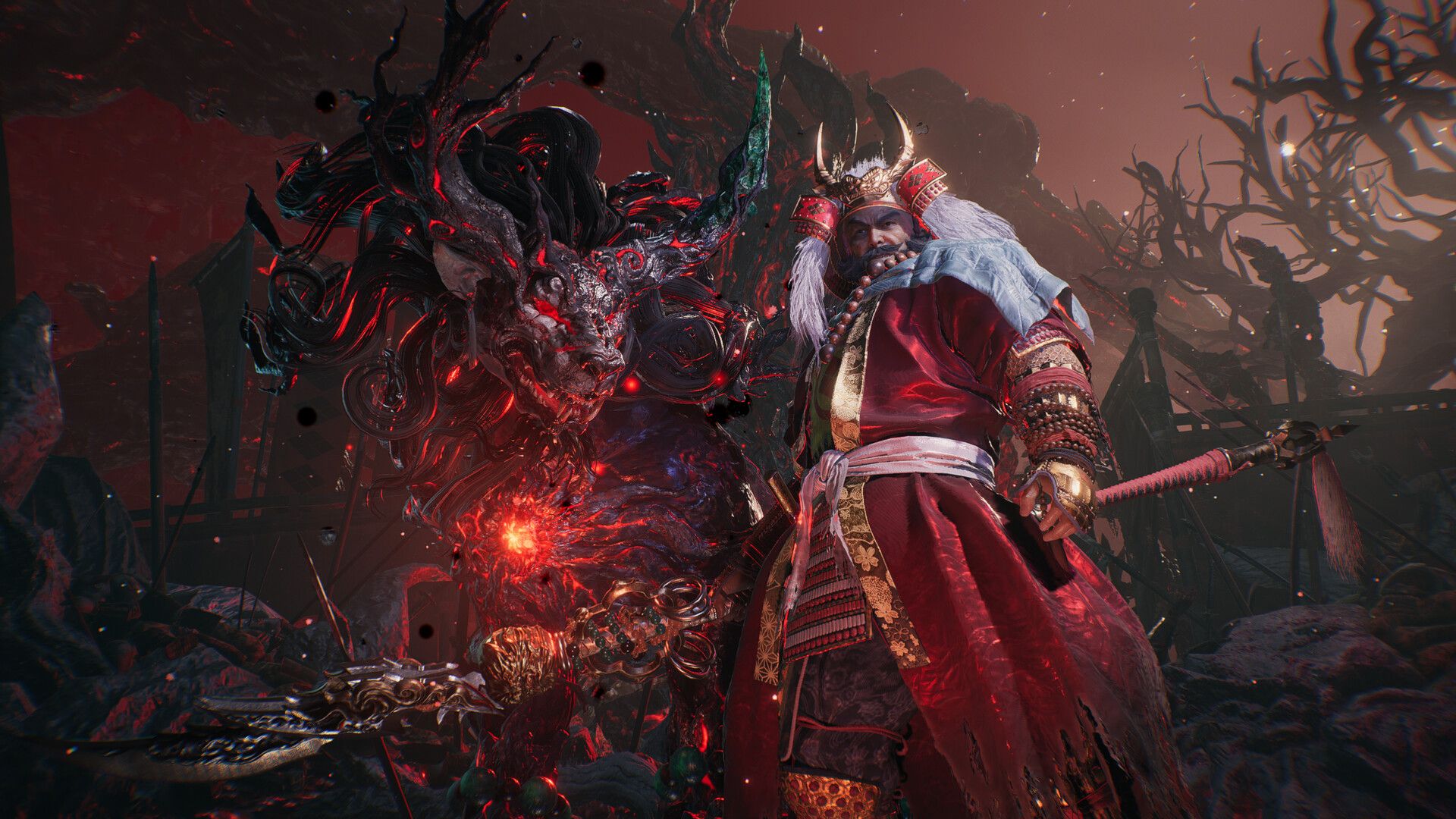
The real magic of Nioh 3 isn’t in its world-building—though the demonic landscapes are striking—or even in its story. It’s in the way combat feels. The game doesn’t care if you’re a pro or a novice; it only cares if you’re engaged. And that’s what keeps pulling me back, even when I’m certain I’ll never press RB fast enough.
Take the burst counter, for example. To interrupt an enemy’s heavy attack, you must switch classes mid-combo—a task that feels impossible when your fingers are still learning the samurai’s stance. Yet, when it clicks, the payoff is instant: a reversed attack, a moment of dominance. It’s a system so demanding it borders on cruelty, yet so satisfying when executed that it becomes addictive.
The ninja class, with its projectiles and elemental attacks, offers a stark contrast to the samurai’s melee focus. But mastering both isn’t just about button combinations—it’s about adapting. The game forces players to think on their feet, to abandon comfort and embrace chaos. And while I’ll likely never become fluent in the ninja’s Mist maneuver, the thrill of finally landing a burst counter after multiple failures is intoxicating.
There’s an irony in all this: Nioh 3 is one of the most approachable soulslikes ever made. Despite its punishing design, the game doesn’t demand perfection. It rewards attempts. You can stumble through its dungeons, miss ki pulses, and still emerge victorious—if only barely. It’s a testament to Team Ninja’s skill that even a player as clumsy as I can still feel the weight of a well-executed attack.
So why keep playing? Because when the ki pulse finally registers, when the burst counter lands just in time, there’s no other feeling like it. It’s the sound of a master luthier’s instrument playing in perfect harmony—and for a moment, you’re part of the symphony.