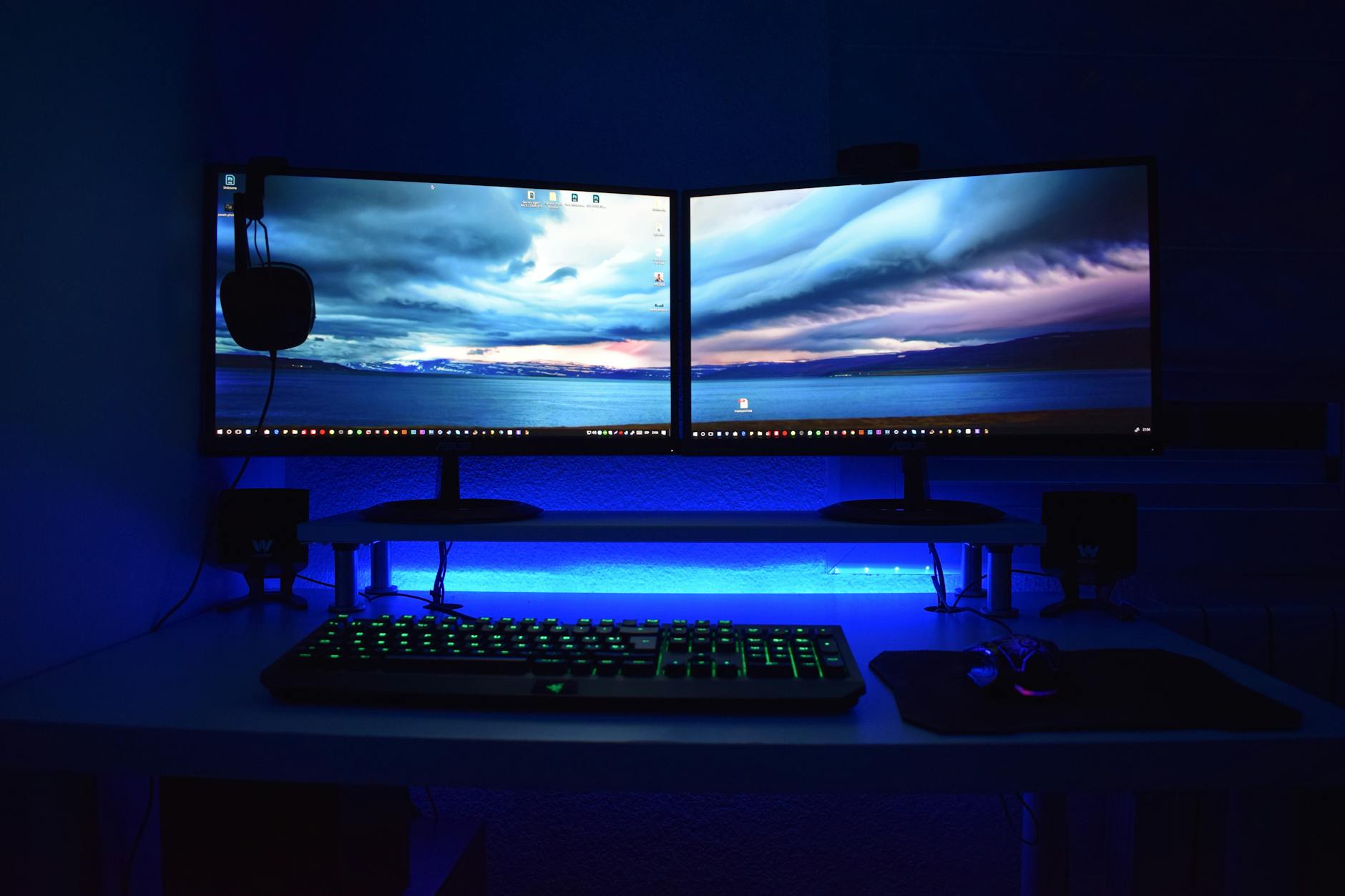
Most soulslikes demand sacrifice—either from the player’s patience or their hardware. Nioh 3, however, reveals a hidden truth: the right setup doesn’t just make the game playable; it makes it sing*. Pairing the game with an AMD Ryzen 7 7700X and an NVIDIA RTX 4080 doesn’t just hit 60 frames per second in 4K; it eliminates the stutter that plagues faster-paced sequences, ensuring that every parry, every Style Shift toggle, and every aerial jutsu lands with the precision of a master swordsman.
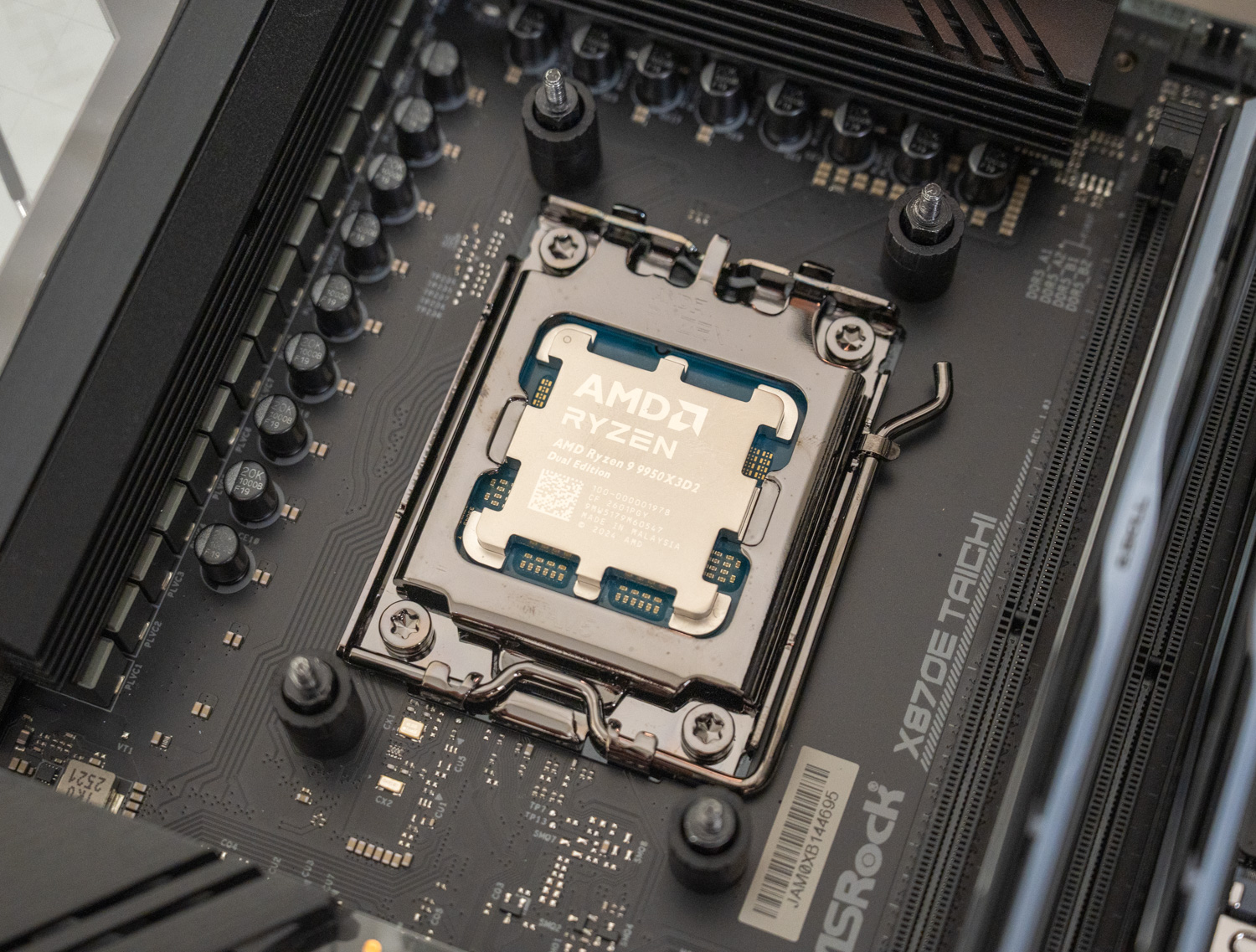
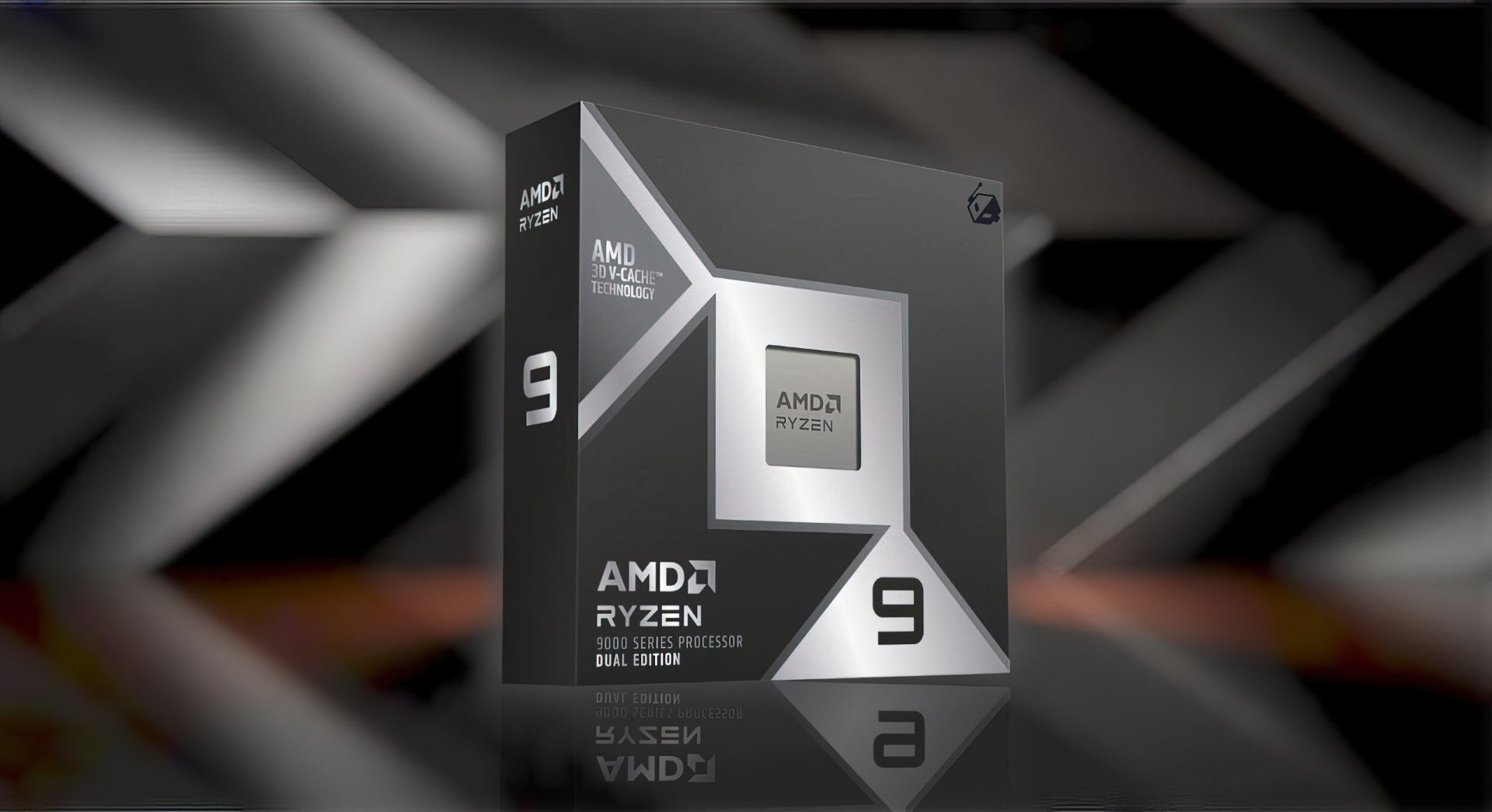
The Ryzen 7 7700X, with its 8 cores and 16 threads clocked at 5.3 GHz, handles Nioh 3’s combat loops with surprising efficiency. While the game isn’t as CPU-bound as a title like Cyberpunk 2077, its physics-heavy weapon interactions and AI-driven enemy paths create micro-stutters on weaker processors. The 7700X smooths those out, ensuring that deflecting a boss’s attack mid-air doesn’t result in a hitch that breaks immersion. Meanwhile, the RTX 4080’s 16,384 CUDA cores and 16GB of GDDR6X memory render the game’s detailed environments and particle effects—especially critical during the ninja-style jutsu explosions and samurai-style blood splatters—without a single drop in visual fidelity.
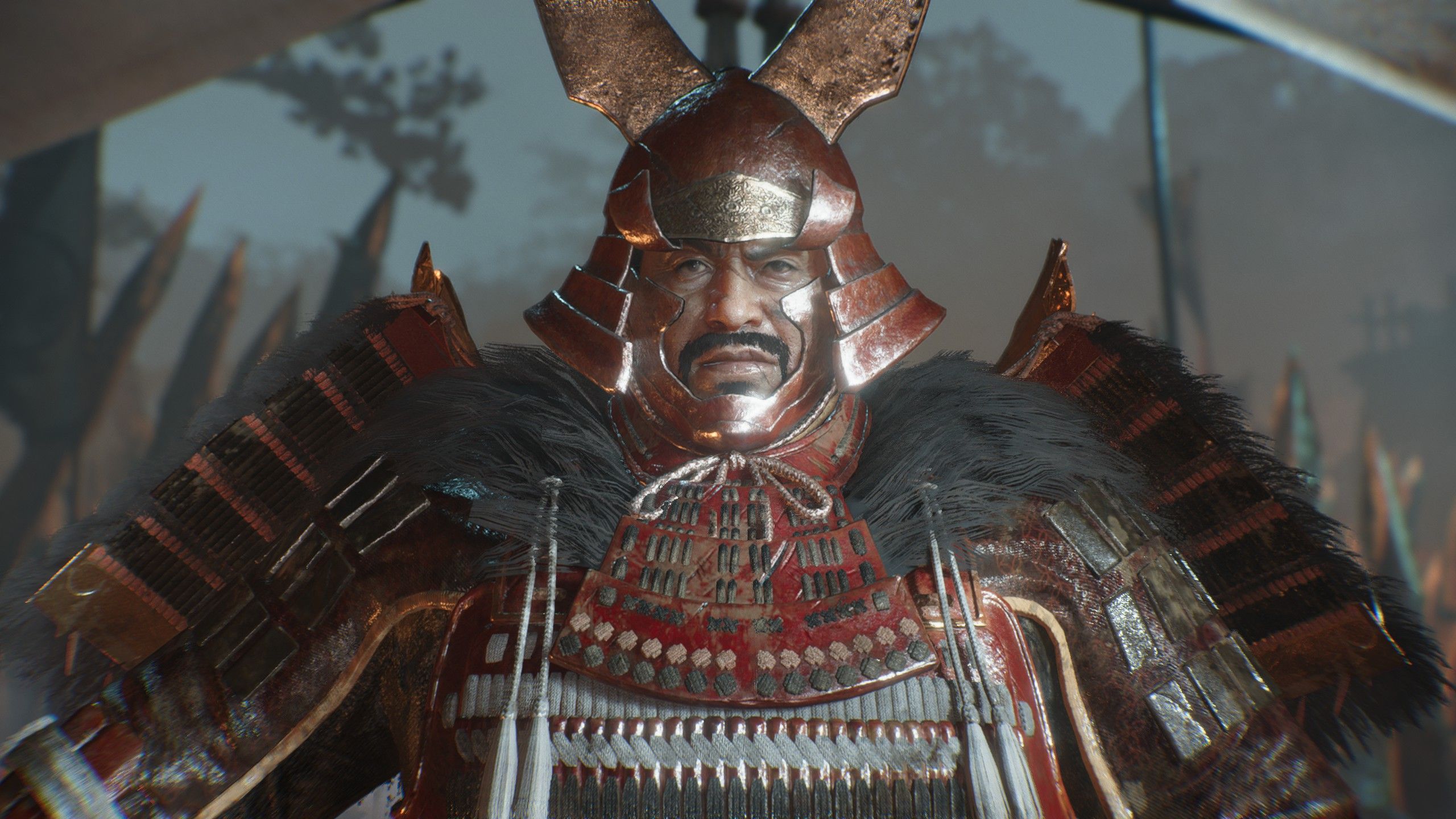
But the real magic happens in the combat. Nioh 3’s Style Shift mechanic, which allows players to toggle between samurai and ninja modes on the fly, relies heavily on smooth transitions. On weaker hardware, these shifts can feel sluggish, turning what should be a fluid moment into a jarring reset. With the 7700X and RTX 4080, the game’s 120Hz-capable performance ensures that switching from a spinning cestus attack to a shuriken barrage happens in the blink of an eye—no loading, no delay, just pure reactivity. Boss fights, in particular, benefit from this setup. The final boss’s alternating between slow, crushing strikes and rapid-fire taps demands split-second reactions, and the hardware combination ensures those reactions feel instantaneous.
For players who’ve struggled with Nioh 3’s performance on mid-range PCs, the upgrade path is clear: spending $70 on a used RTX 4080 (or even a refurbished model) can turn a frustrating experience into one of the most visually and mechanically polished soulslikes available. It’s a reminder that in gaming, hardware isn’t just about raw power—it’s about unlocking the *artistry of the game. And in Nioh 3, that artistry is on full display.
The result? A game that doesn’t just compete with Elden Ring or Sekiro in terms of difficulty or depth, but in sheer, unbroken performance. No more stuttering through a parry combo. No more waiting for textures to load during a Style Shift. Just a relentless, high-octane duel where every choice feels deliberate—and every victory, earned.