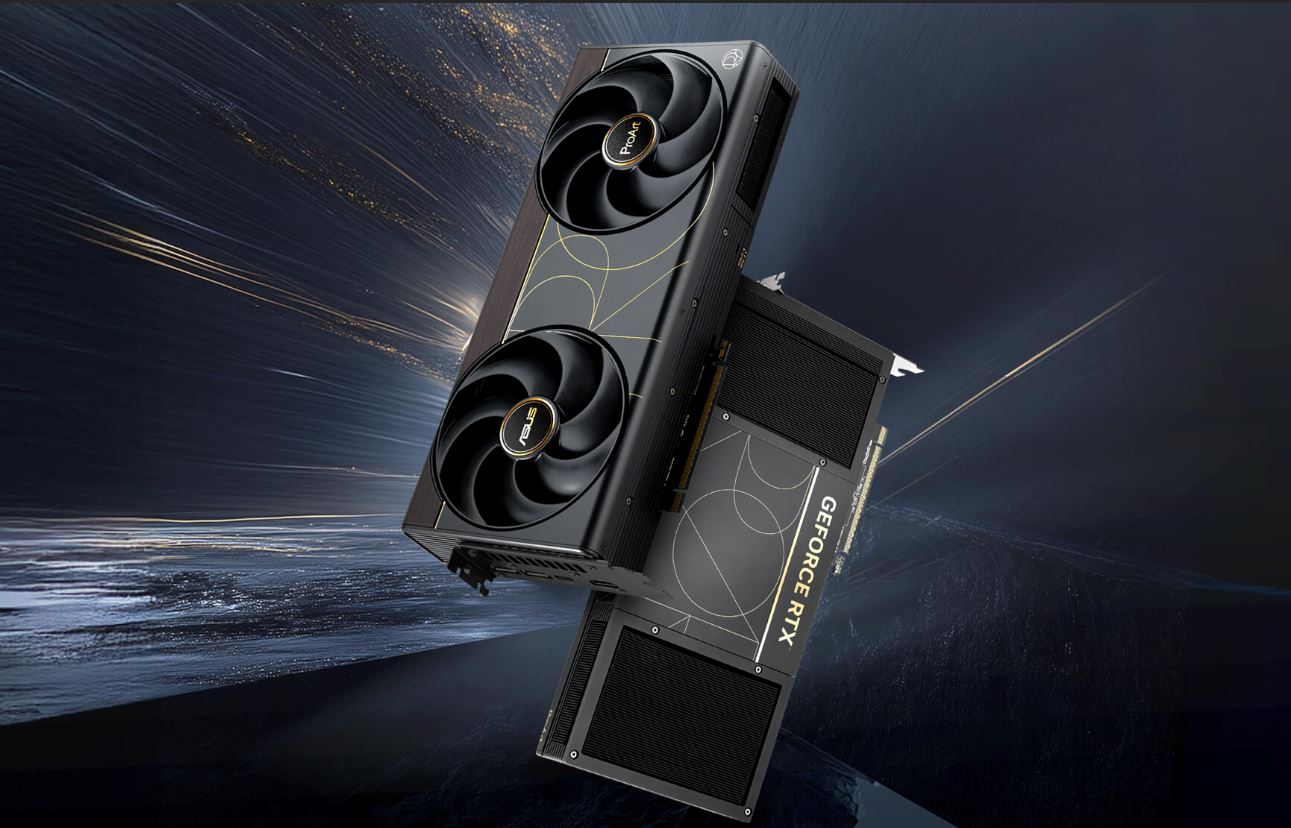
For data centers and AI training, the choice between raw power and efficiency has always been a delicate balance. NVIDIA's latest GeForce RTX 50 series aims to tip that balance further toward performance, but at what cost? The entry-level RTX 5060 Ti, codenamed '007 First Light,' signals a strategic move that could redefine how workloads are handled in both consumer and professional environments.
The RTX 50 series is built on a new architecture that promises to deliver up to 2.3x the performance of its predecessors while maintaining a focus on power efficiency. This isn't just about pushing numbers; it's about rethinking how GPUs handle complex workloads, from real-time rendering to large-scale AI training. The series introduces features like DLSS 4 and Frame Generation AI, which are designed to bridge the gap between what hardware can do and what software demands.
Key Specifications: A Closer Look
- Chip: NVIDIA's new Ada Lovelace architecture, built on a 4nm process, with up to 16,384 CUDA cores.
- Memory: Up to 16GB GDDR6X memory, running at speeds of 20 Gbps.
- Storage: Not applicable for consumer GPUs, but professional variants may include dedicated cache or unified memory solutions.
- Display Outputs: Three DisplayPort 2.1 outputs with support for 8K resolution at 60Hz and 4K at 240Hz.
- Connectivity: PCIe 5.0, HDMI 2.1, USB-C (for display and power delivery).
- Power Consumption: The RTX 5060 Ti is rated at 225W TDP, with features like Adaptive Boost to optimize performance.
The jump from the previous generation isn't just in raw specs; it's also in how these components are integrated. For example, the DLSS 4 and Frame Generation AI are designed to work seamlessly with software, reducing the need for brute-force processing while maintaining high fidelity. This is a significant shift, especially for AI workloads where efficiency can be as critical as performance.
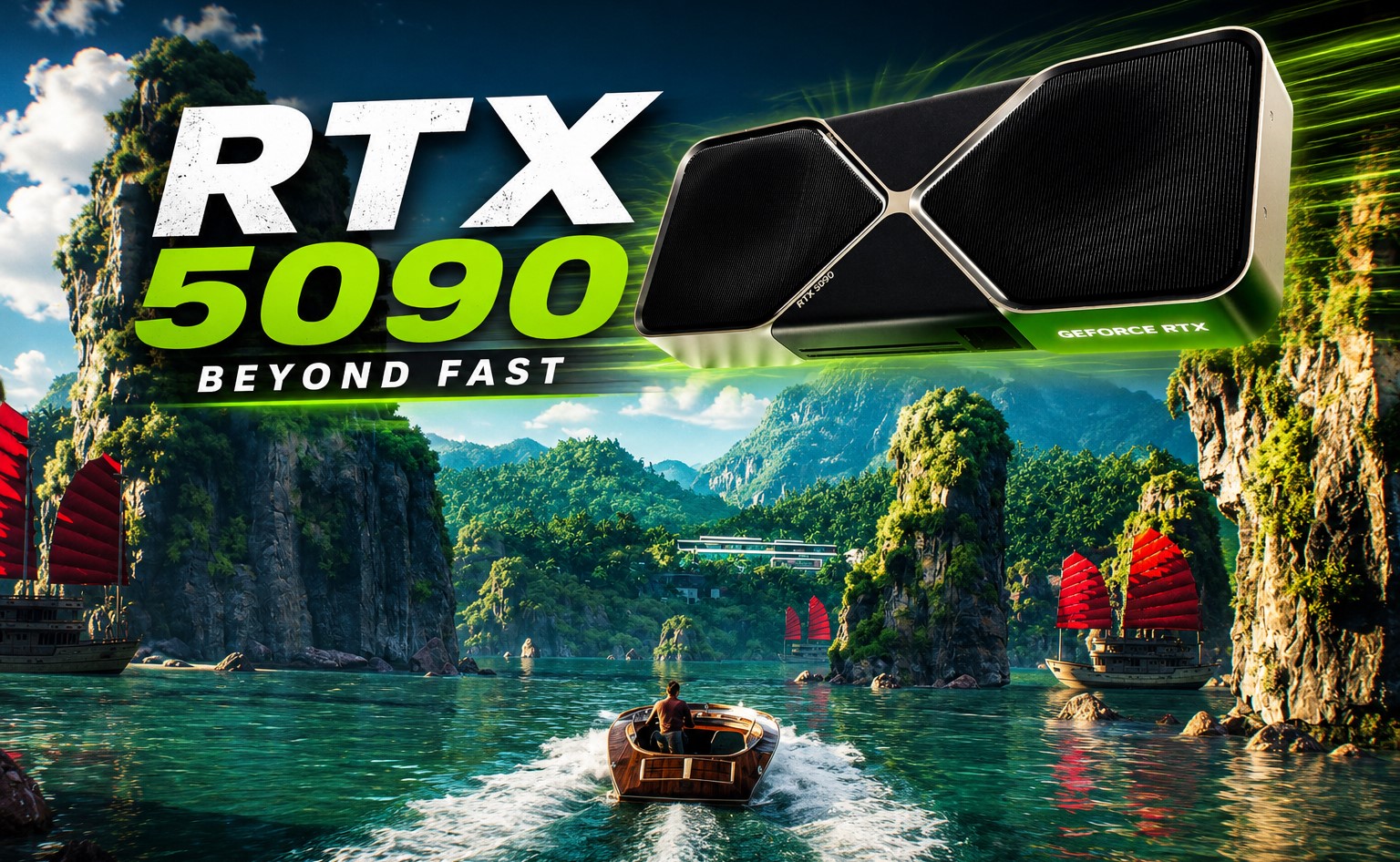
Why It Matters: Future-Proofing Workloads
The RTX 50 series isn't just an incremental upgrade; it's a strategic move to address the growing demands of AI and data workloads. The new architecture is optimized for tasks like real-time ray tracing, AI upscaling, and even large-scale neural network training. For professionals in fields like rendering or scientific computing, this means access to tools that can handle increasingly complex datasets without sacrificing performance.
However, the tradeoff lies in power consumption and thermal management. The RTX 5060 Ti, for instance, is rated at a 225W TDP, which is higher than some of its predecessors. This could pose challenges for systems with limited cooling or power delivery, but NVIDIA has included features like Adaptive Boost to mitigate these issues. The question remains: how will this series perform in real-world scenarios where power efficiency is just as important as raw performance?
Key Takeaways
- The RTX 50 series introduces significant advancements in performance and efficiency, with a focus on AI and data workloads.
- Features like DLSS 4 and Frame Generation AI are designed to bridge the gap between hardware capabilities and software demands.
- The new architecture is built for future-proofing, but power consumption and thermal management remain key considerations.
As the RTX 50 series rolls out, it will be interesting to see how these advancements translate into real-world performance. For now, the series represents a strategic leap that could redefine the landscape of AI and data workloads, but it also introduces new challenges in power management and efficiency. The full picture will only emerge as more models become available and benchmarks are conducted.