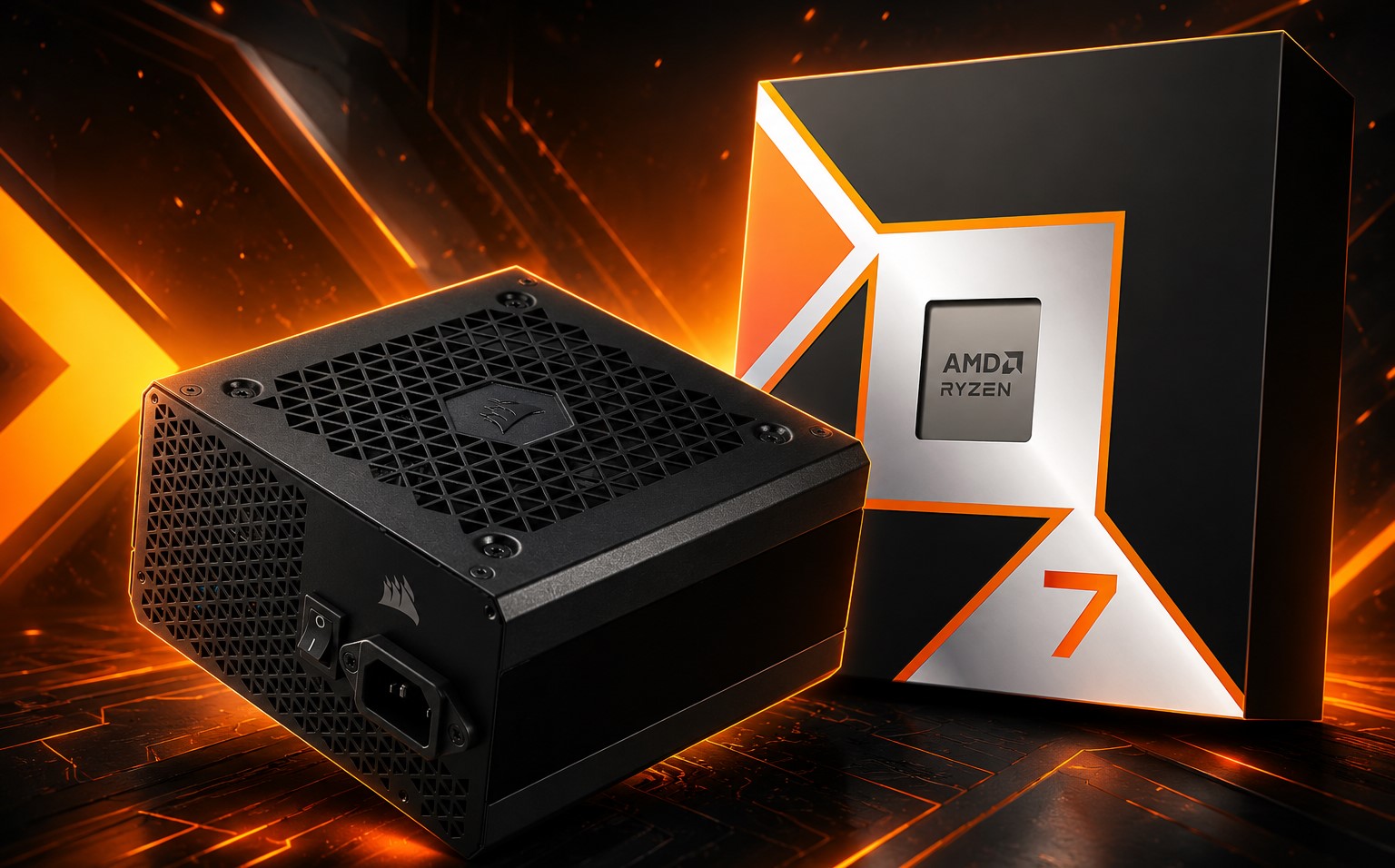
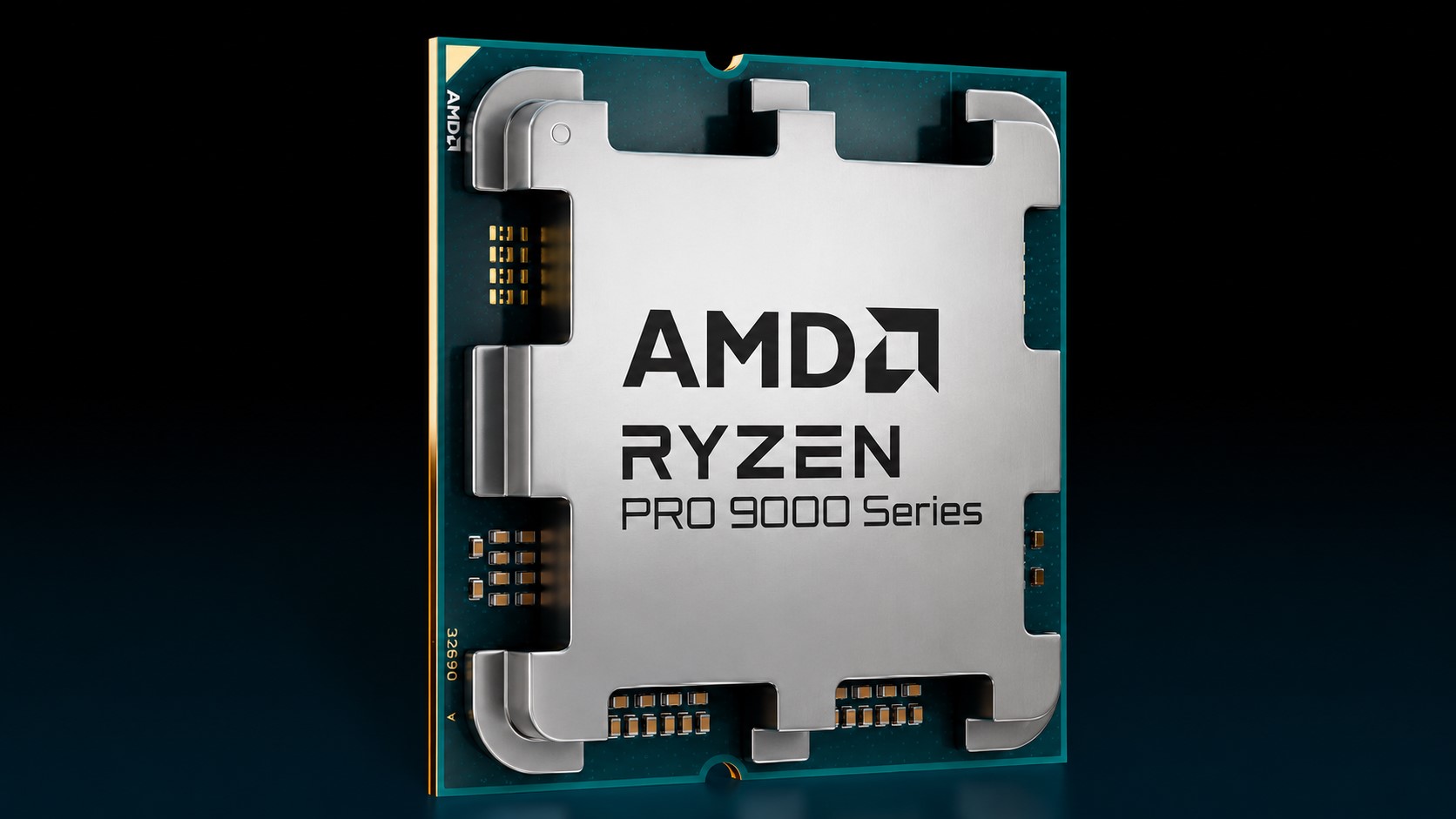
AMD has officially released its Ryzen PRO 9000 series, a lineup designed to bridge the gap between consumer-grade performance and enterprise-level stability. The six processors in this series—ranging from the high-end 9965X3D to the more affordable 9465X3D—are now available worldwide, marking AMD’s latest effort to capture a larger share of the professional computing market.
The standout model is the 9965X3D, which introduces support for up to 128 GB of DDR5 memory. This level of capacity is particularly significant for AI researchers and data scientists, who often require large addressable memory spaces for training complex models or processing massive datasets. However, the processor’s effectiveness will depend on how well software developers optimize for its capabilities, as not all applications will benefit equally from this increased memory support.
Availability and Market Positioning
The Ryzen PRO 9000 series is now shipping, positioning AMD as a serious competitor in the workstation space. While these processors share architectural foundations with consumer-grade Ryzen 9000 models, their thermal design power (TDP) ratings and support for error-correcting code (ECC) make them more suitable for professional environments. The series is designed to challenge established workstation platforms, offering a balance of performance and reliability without the premium pricing typically associated with such hardware.
Key Specifications
- Architecture: Zen 4 core with up to 16 cores / 32 threads (9965X3D)
- Memory Support: 128 GB DDR5 (9965X3D), ECC LRDIMM/DDR5 support
- Cache: 76 MB L3 cache (9965X3D) with 3D V-Cache technology for sustained performance
- TDP: 120 W (9965X3D), optimized for prolonged workloads without thermal throttling
- Connectivity: AM5 socket, PCIe 5.0 support, dual-channel DDR5
The 9965X3D’s memory capacity is a notable feature, as it directly addresses the growing demand for high-throughput AI workloads. However, its real-world impact will be determined by how seamlessly it integrates with existing software ecosystems, particularly those that rely on specialized acceleration. The processor’s ability to handle large datasets and low-latency processing tasks could make it a strong contender in the AI research space.
Target Audience
This series is aimed at professionals who require a balance of performance and stability without the premium pricing typically associated with workstation CPUs. The 9965X3D, for instance, could be a strong choice for AI researchers running large language models or data engineers processing massive datasets. Meanwhile, lower-tier models like the 9465X3D offer cost-effective solutions for workloads that don’t demand the same level of memory capacity.
Unanswered Questions
Despite its launch, several questions remain unaddressed. AMD has not provided long-term roadmap details beyond this generation, leaving uncertainty about whether future Ryzen PRO chips will incorporate more specialized AI acceleration or continue to rely on CPU-driven performance. Additionally, the absence of official benchmarks for enterprise-specific workloads means buyers must still speculate about real-world efficiency gains, particularly in mixed AI and data tasks.
For now, the Ryzen PRO 9000 series presents a compelling mix of capacity and performance, but its long-term success will hinge on how effectively it bridges the gap between consumer-grade agility and enterprise-grade reliability. AMD’s ability to deliver consistent software optimization and strong support for AI workloads will be crucial in determining whether this series can establish itself as a leader in professional computing.