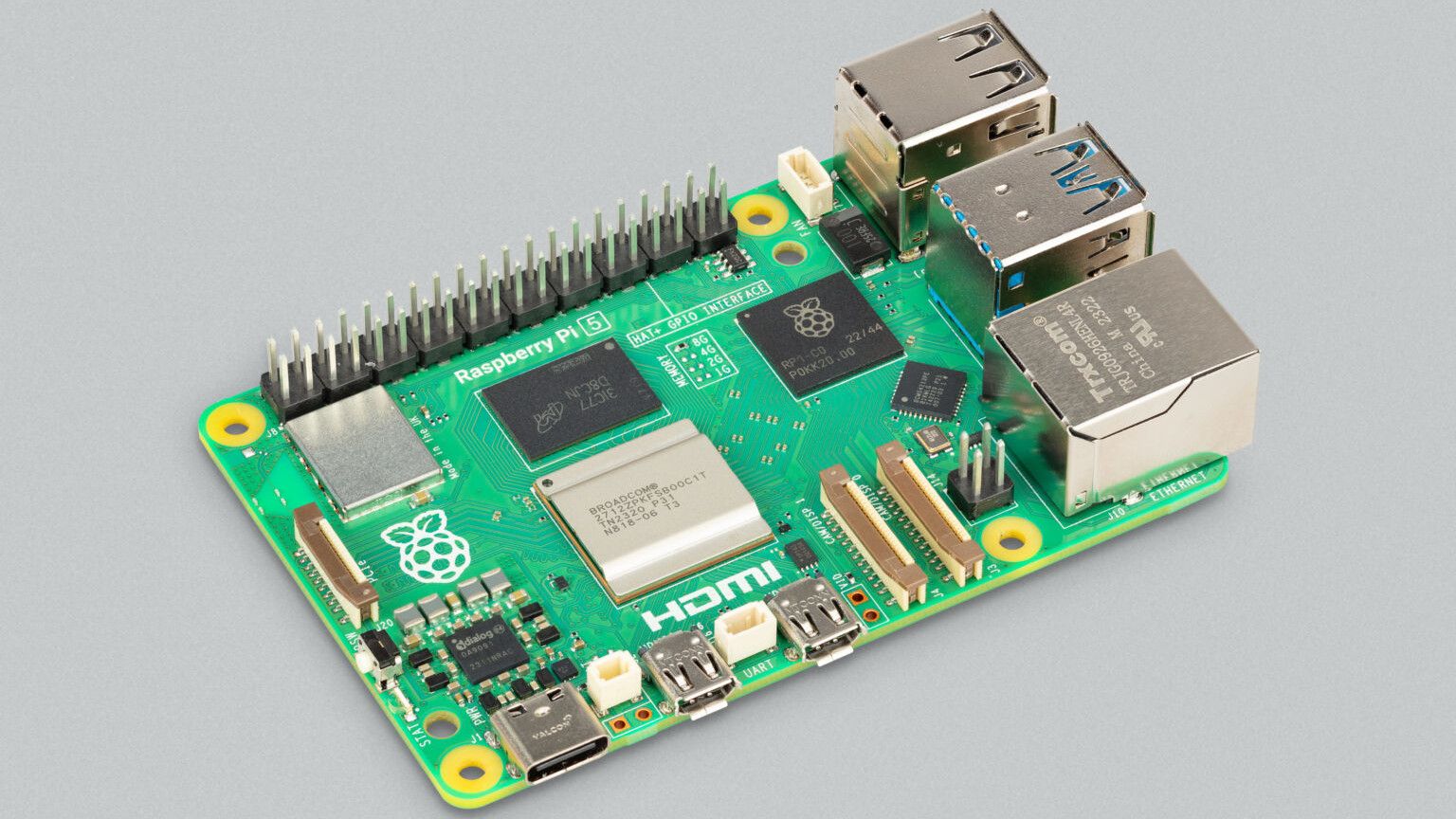
The Raspberry Pi 5, a cornerstone for educators and tinkerers, has become a casualty of the memory market’s volatility. Prices for its 8GB RAM module have climbed by 70% compared to pre-crisis levels, leaving many projects suddenly more expensive. But while the Pi’s cost is drawing headlines, the underlying DDR5 market—once plagued by relentless price hikes—may be showing early signs of normalization.
The Pi’s RAM increase isn’t an isolated anomaly. It mirrors broader trends in memory pricing, where supply chain disruptions and geopolitical tensions have kept costs elevated. Yet for mainstream DDR5 modules, the pace of inflation appears to be slowing. After months of steep increases, some vendors are reporting stabilization, though availability remains a hurdle for high-capacity kits.
The Pi’s Pain Point
For the Raspberry Pi 5, the jump is stark. What once cost around $15 for an 8GB module now hovers near $25—nearly double the pre-2023 baseline. This isn’t just a passing blip; it’s a reflection of how tightly memory markets are coupled to global semiconductor demand. The Pi’s modular design, while flexible, makes it vulnerable to these swings.
Yet the Pi’s situation isn’t representative of the entire DDR5 ecosystem. While hobbyist and embedded systems often face the brunt of price volatility, desktop and server-grade RAM has seen a more measured climb. Benchmarking data suggests that while DDR5 prices remain high, the rate of increase has tapered off in recent quarters.
A Glimmer of Hope for DDR5?
Industry analysts point to two key factors: increased production capacity and shifting demand priorities. After years of underinvestment in memory fabrication, manufacturers have ramped up output, easing some bottlenecks. Additionally, the shift toward AI-driven workloads has redirected focus away from consumer-grade RAM, creating a temporary lull in price pressures.
That said, the Raspberry Pi’s predicament underscores a broader truth: no segment is immune to memory market turbulence. For those relying on the Pi 5, the cost hike is a direct hit. But for the DDR5 market as a whole, the worst may be behind us—even if full recovery remains a ways off.
What This Means for You
If you’re planning a Pi 5 build, budgeting for higher RAM costs is now a necessity. The 70% increase isn’t just noise—it’s a reality that could last until supply chains further stabilize. Meanwhile, for desktop users, the DDR5 market’s slowdown offers a cautious optimism. Prices won’t drop overnight, but the days of weekly double-digit hikes appear to be fading.
The Raspberry Pi’s struggle serves as a reminder of how interconnected tech markets have become. What starts as a niche issue can ripple outward, affecting everything from classroom projects to high-performance computing. For now, the Pi’s users will pay the price—but the broader DDR5 landscape may finally be turning a corner.