The conversation around $100 games has reached a fever pitch, fueled by Grand Theft Auto VI* rumors and a broader industry shift toward premium pricing. Yet for some in the gaming world, the debate isn’t just about budgets—it’s about whether players will ever say no. Bruce Nesmith, the designer behind Skyrim, has a clear stance: developers should be cautious about hiking prices, but gamers will always find a way to justify the cost.
Nesmith’s perspective comes from 15 years of watching game prices stagnate at $59.95—a price point that, despite inflation, remained unchanged for decades. His concern isn’t just about affordability; it’s about the psychological impact of a steep price tag. For titles like The Elder Scrolls VI or GTA VI, the sticker shock might overshadow the value players actually receive.
Yet Nesmith acknowledges a harsh truth: gamers are a unique breed. They’ve spent lifetimes investing in their hobby, and when a game delivers the kind of immersive experience Bethesda’s titles are known for, they’ll pay. The question isn’t whether they can—it’s whether the industry will push them too far.
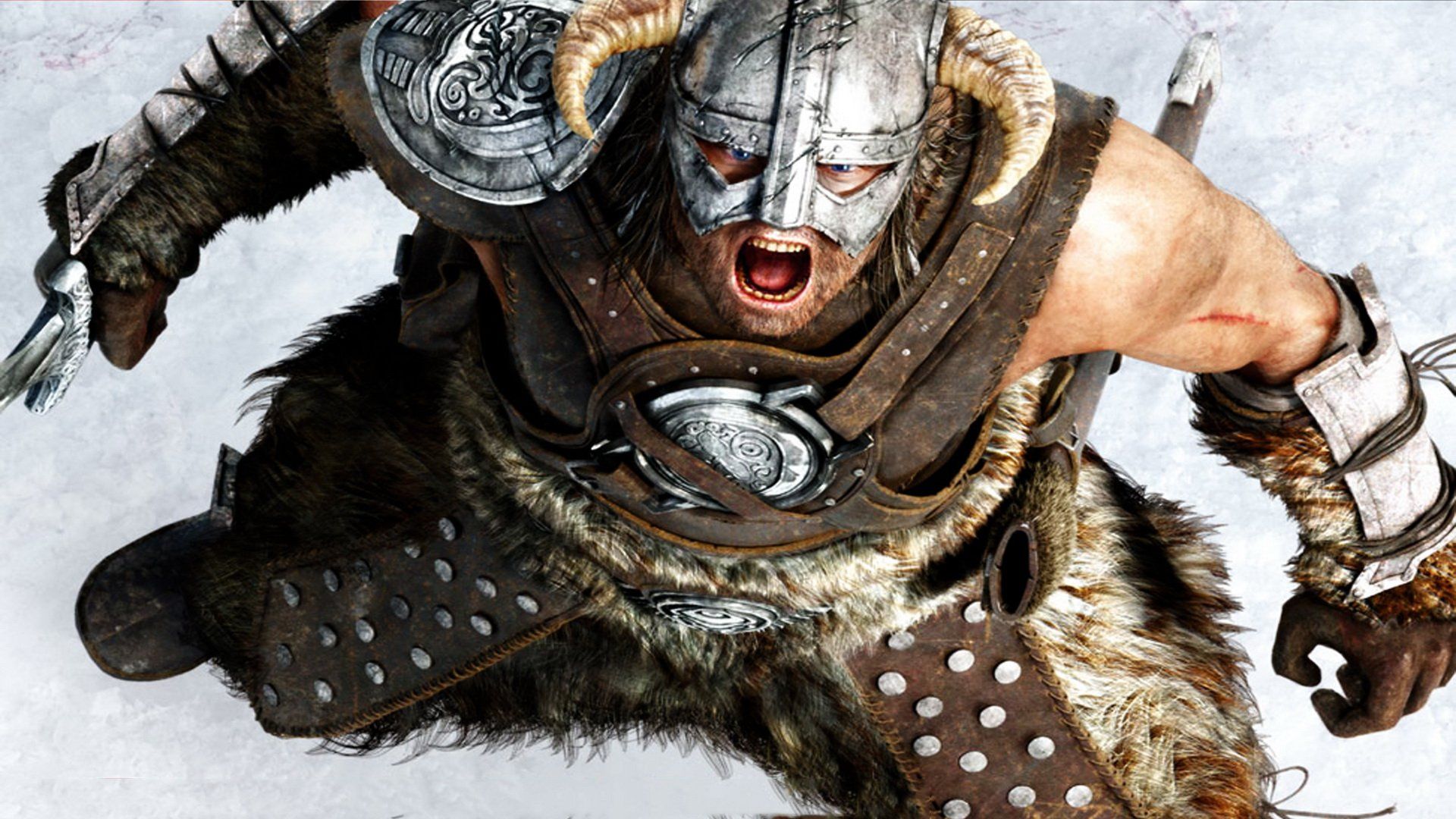
- Nesmith believes Bethesda will likely price The Elder Scrolls VI at the industry’s then-standard premium rate—whether that’s $79.95, $99.95, or higher.
- He questions whether single-player games will follow the subscription model dominating online services, though Microsoft’s Game Pass influence looms large.
- Economic struggles make him wary of aggressive price hikes, but he’s confident gamers will adapt—especially for beloved franchises.
- Skyrim’s lead designer also hinted that Bethesda may not abandon its in-house engine, despite industry trends favoring Unreal Engine.
The tension between rising costs and player loyalty isn’t new, but Nesmith’s insights offer a rare behind-the-scenes look at how Bethesda might navigate it. With Starfield already on Game Pass and Fallout’s future uncertain, the studio’s pricing strategy could set a precedent for the entire industry.
Nesmith’s remarks also touch on broader trends, like the shift toward subscription models. While online games have embraced this approach, he wonders if single-player experiences will follow—especially when players have already committed hundreds of hours (and dollars) to franchises like Skyrim or Fallout.
One thing is clear: Bethesda isn’t rushing to experiment. The studio’s pricing will likely align with what the market—and Microsoft—deems acceptable. And if history is any guide, gamers will be ready to pay, no matter the cost.
Beyond pricing, Nesmith’s interview touched on Bethesda’s creative direction. He confirmed that The Elder Scrolls VI’s setting was decided early in Fallout 4*’s development, though he declined to reveal details. His advice for the industry? Proceed with caution—players notice when they’re being asked to stretch their budgets too thin.