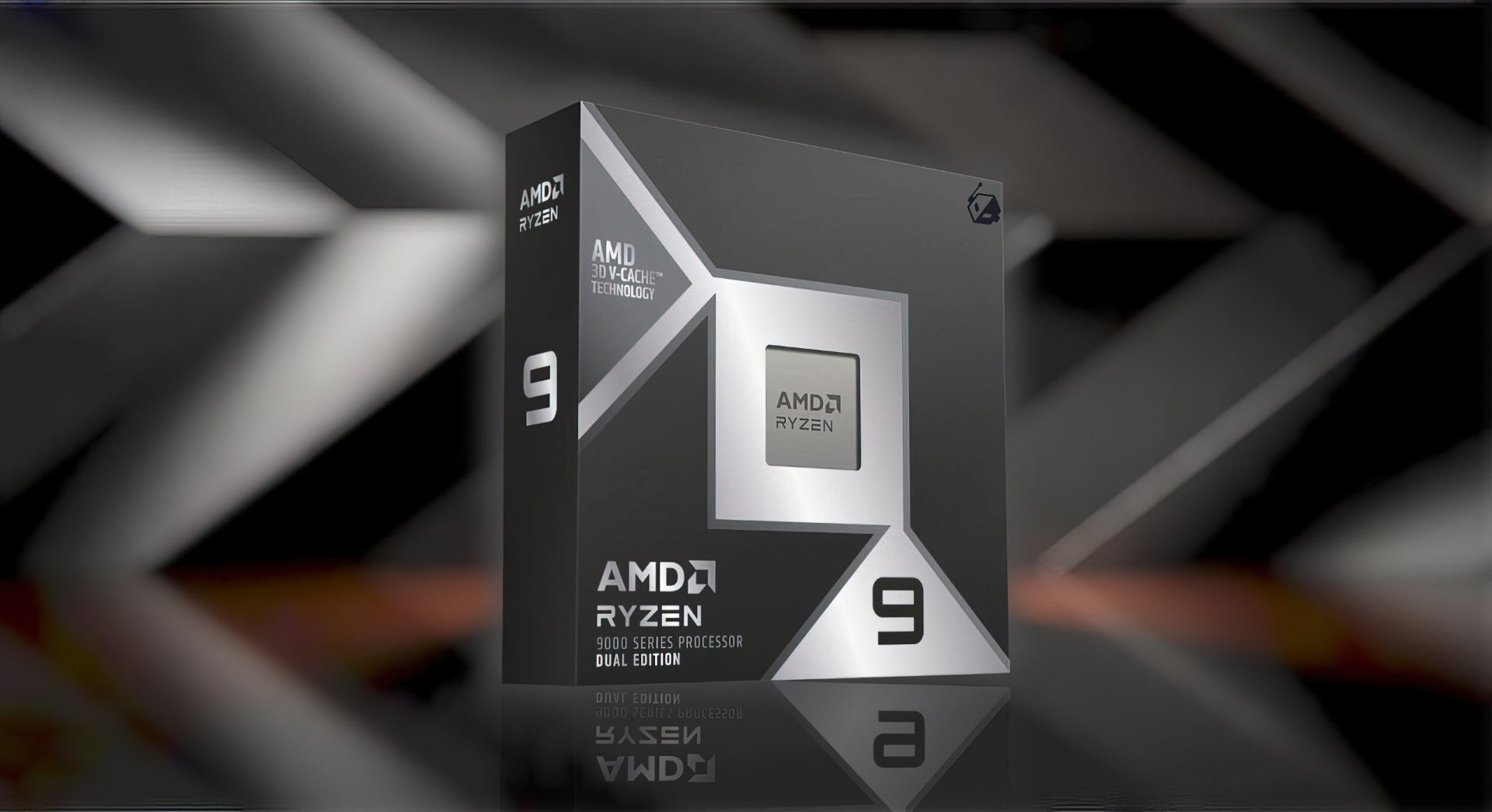
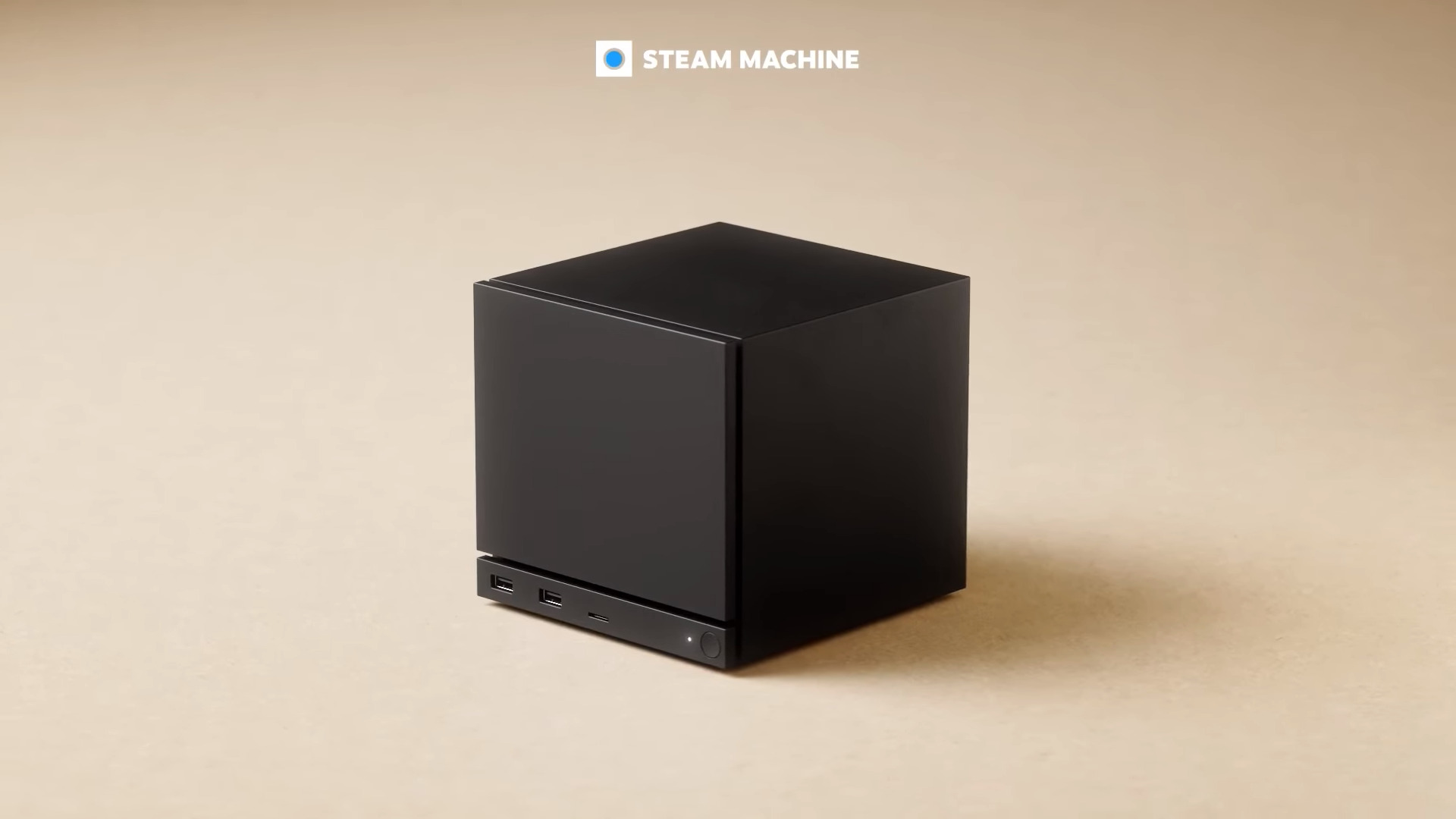
Valve’s long-awaited Steam Machine is finally on the horizon, with AMD confirming its arrival in early 2026. The console, powered by a custom AMD chip combining Zen 4 CPU cores with integrated RDNA 3 graphics, marks Valve’s first foray into dedicated hardware since the original Steam Machine prototype in 2015. Unlike its predecessor, this version isn’t a repurposed PC but a purpose-built device designed to compete with Sony’s PlayStation 5 and Microsoft’s Xbox Series X.
The Steam Machine’s most compelling feature is its ability to deliver 4K gaming performance at a fraction of the cost of a high-end PC. AMD’s CEO recently stated the device will offer output matching or exceeding 70% of current gaming rigs, suggesting it can handle most modern titles smoothly. However, memory limitations—16GB of system RAM and just 8GB of VRAM—may force compromises for graphically intensive games, particularly at higher resolutions.
Why It Matters
The Steam Machine isn’t just another console; it’s a bold experiment in redefining gaming hardware. By using AMD’s semi-custom architecture, Valve avoids the fragmentation of PC gaming while offering a more accessible entry point than building a custom rig. The integrated graphics approach also eliminates the need for discrete GPUs, reducing complexity and potentially lowering long-term costs for users.
Yet, the real test will be pricing. With DRAM costs remaining elevated, the 512GB model is expected to start at $950, while the 2TB version could reach $1,070. These figures place it in a premium tier, competing directly with high-end PCs and next-gen consoles. Whether gamers are willing to pay for a device that trades upgradeability for simplicity remains to be seen.
What Changed?
Unlike traditional consoles, the Steam Machine isn’t locked into a single ecosystem. It runs SteamOS, allowing access to Valve’s vast library of games, including exclusives like Half-Life: Alyx* and Dota 2*. The inclusion of AMD’s RDNA 3 architecture also means it can leverage hardware-accelerated features like ray tracing and variable-rate shading, bridging the gap between console and PC gaming.
While Microsoft’s next-gen Xbox (based on Zen 6 and RDNA 5) isn’t expected until 2027, the Steam Machine’s early arrival could shake up the market. Its modular design—with support for additional storage and peripherals—aims to appeal to both casual and hardcore gamers, though whether it can deliver on that promise depends on its final performance and value proposition.
Who’s It For?
For Steam users tired of PC compatibility issues, the Steam Machine offers a refreshing alternative. Its 4K capabilities make it attractive to those with high-resolution displays, while the integrated approach simplifies setup. However, the lack of discrete GPU options may disappoint enthusiasts seeking raw power or future-proofing.
The console’s success hinges on two factors: performance and price. If Valve can deliver smooth 4K gameplay at a reasonable cost, it could carve out a niche between traditional consoles and high-end PCs. But if memory constraints or high pricing deter buyers, it may struggle to gain traction in a crowded market.