OLED Displays: The Next Chapter in Premium Laptops
A new wave of OLED displays is set to redefine the laptop experience, focusing on efficiency and heat management while pushing performance boundaries.
Latest articles, news and analysis in the Laptops category.
A new wave of OLED displays is set to redefine the laptop experience, focusing on efficiency and heat management while pushing performance boundaries.
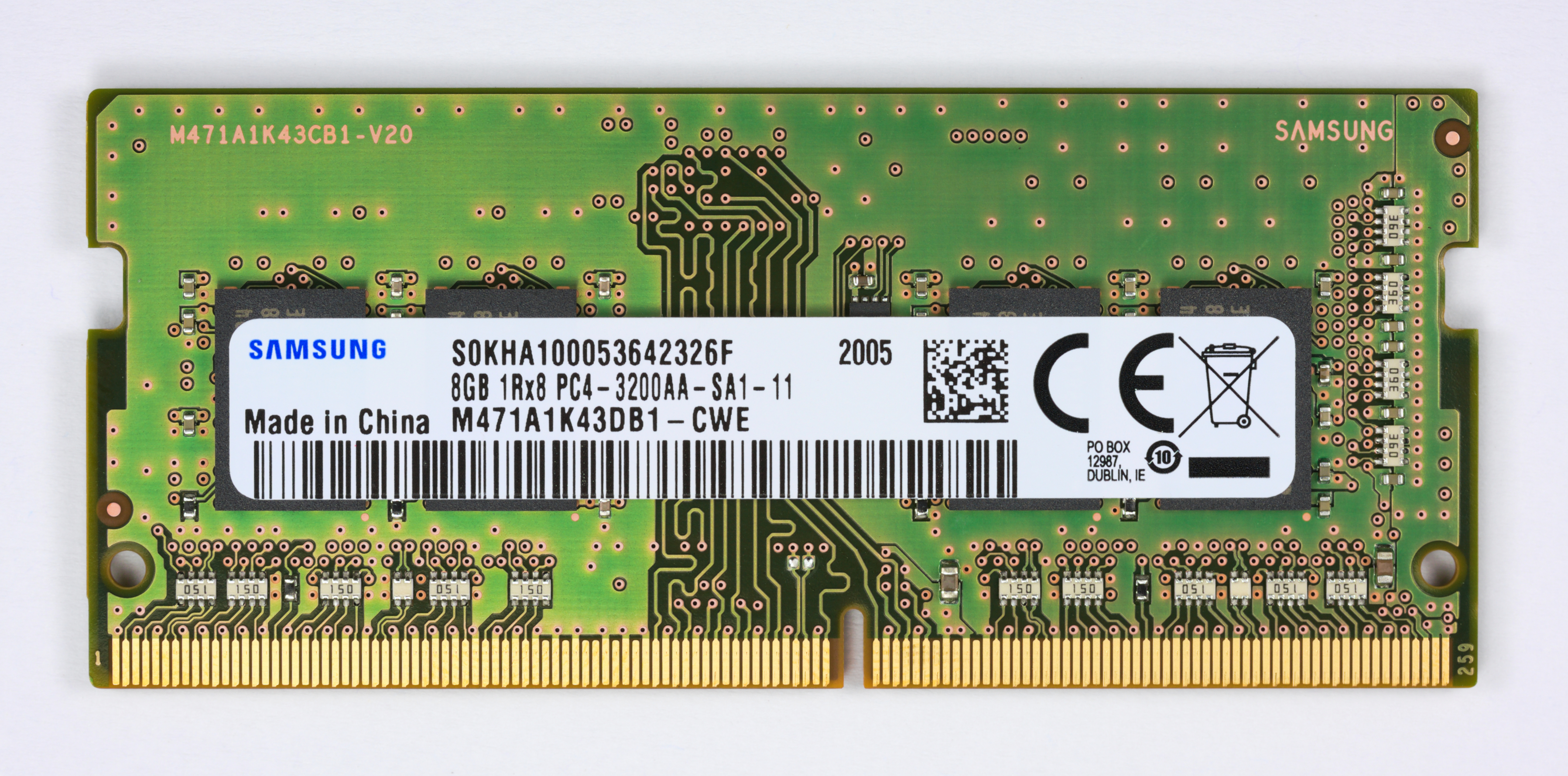
Negotiations between Samsung and its union over wages have triggered a rapid 20% increase in DDR4 memory prices within a week, exposing vulnerabilities in the tech industry's supply chain and prompting IT teams to reassess procurement strategies.
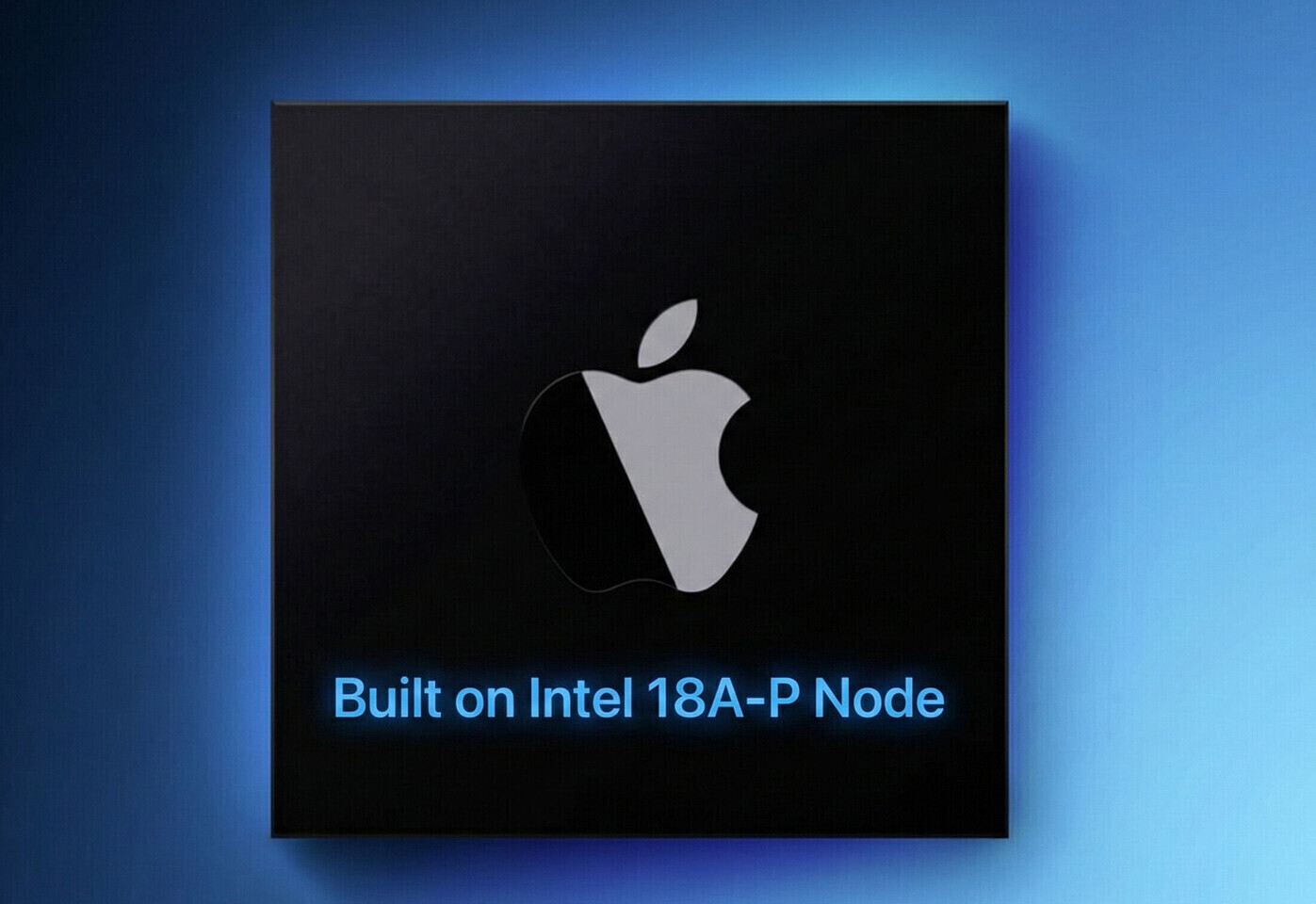
Apple is preparing to move its M-series chips for MacBooks to Intel’s 18A-P node, while the company eyes a 2028 transition for iPhones to Intel’s 14A process. The shifts promise efficiency gains and power savings, but questions remain about packaging and supply chain diversification.
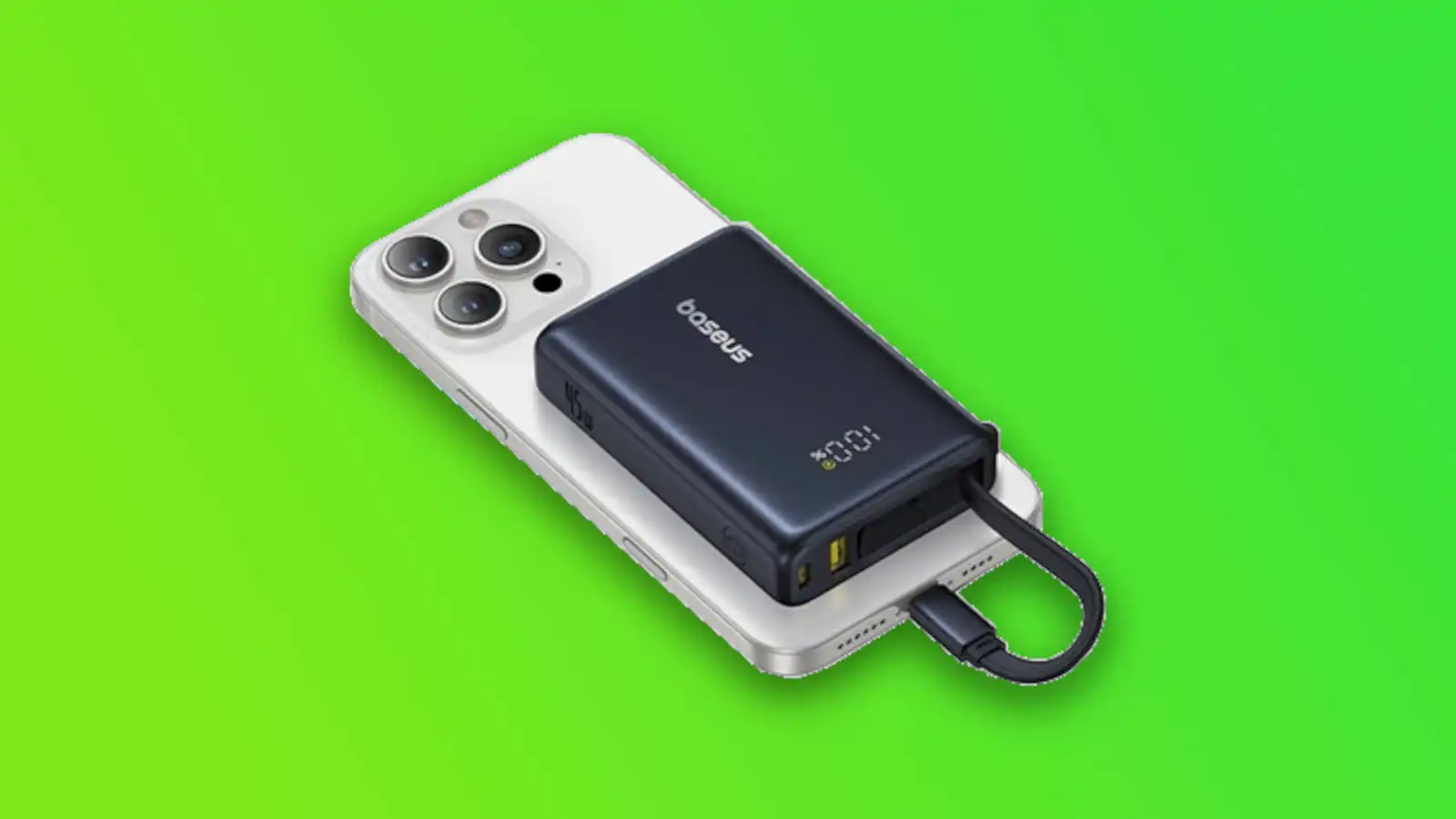
A pocket-sized power bank with a built-in cable and 5000mAh capacity offers unmatched convenience at $20, but its platform-specific design challenges the industry's push for universal compatibility in an era of device diversity.
A built-in Windows 10 feature can coax extra performance from older laptops, but its usefulness is dwindling as hardware evolves and Microsoft shifts focus.
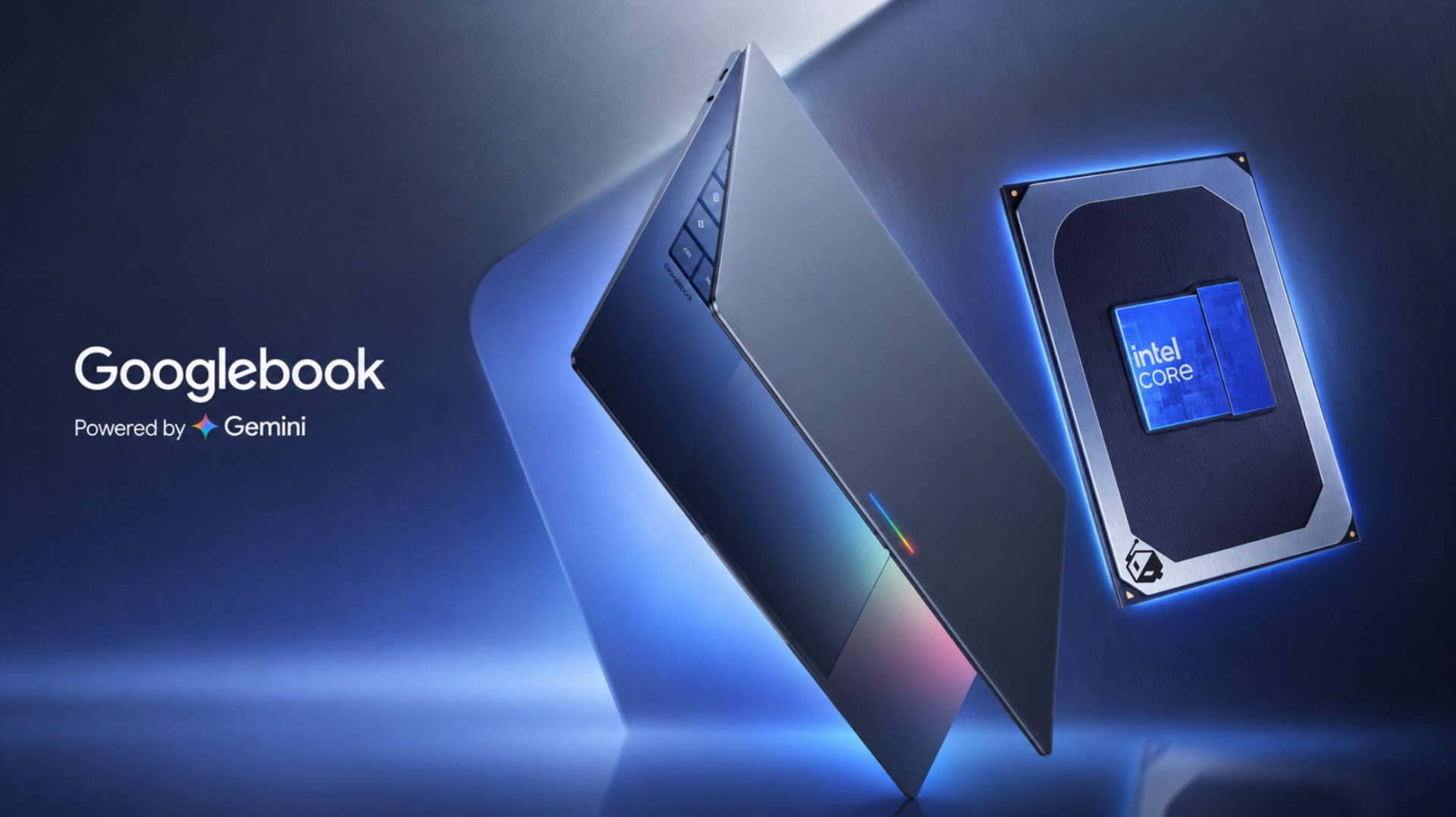
A new generation of Intel processors is transforming the laptop market by prioritizing thermal efficiency and power management, directly competing with Apple’s latest MacBook line while setting a new standard for creators who demand sustained performance without overheating.
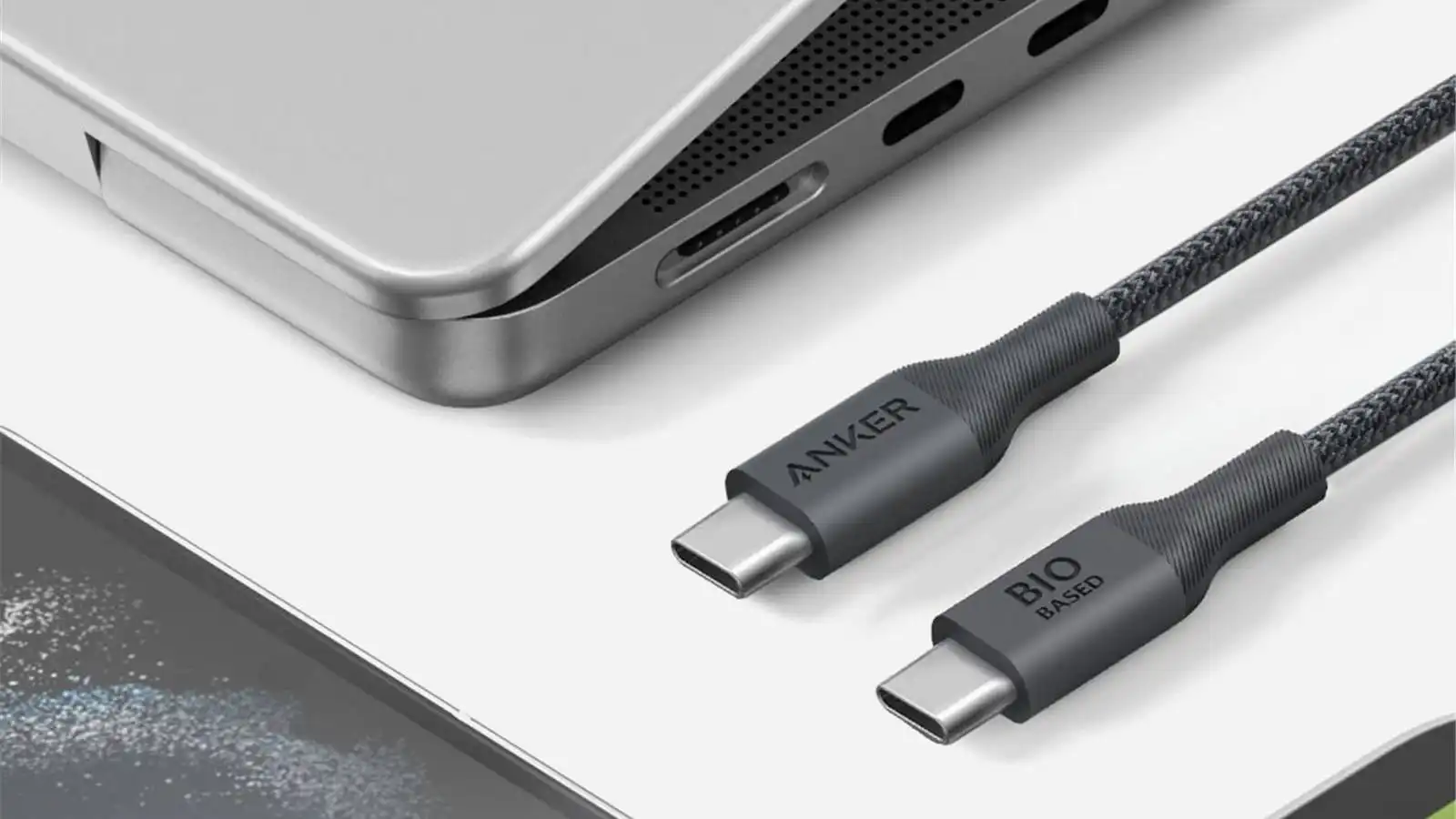
Anker has significantly reduced the price of its 10-foot 140W USB-C cables to $8 each in a three-pack deal. This move is expected to make high-performance charging more affordable and widely adopted among power users and tech enthusiasts.
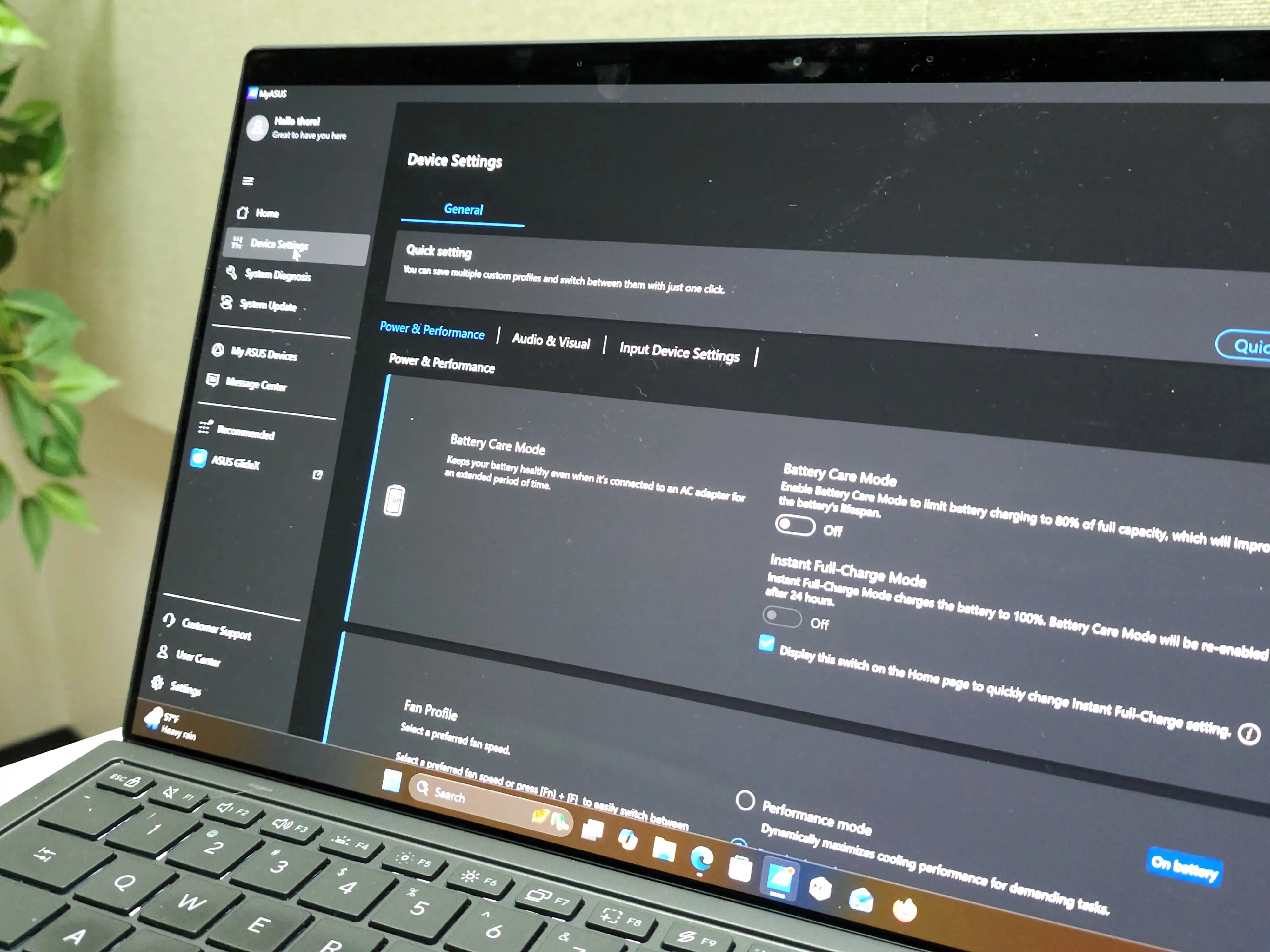
A quick diagnostic trick reveals whether your laptop’s battery is truly depleted or just stuck at 0%. It’s a small change, but it could extend the life of older lithium-ion cells by preventing unnecessary stress.
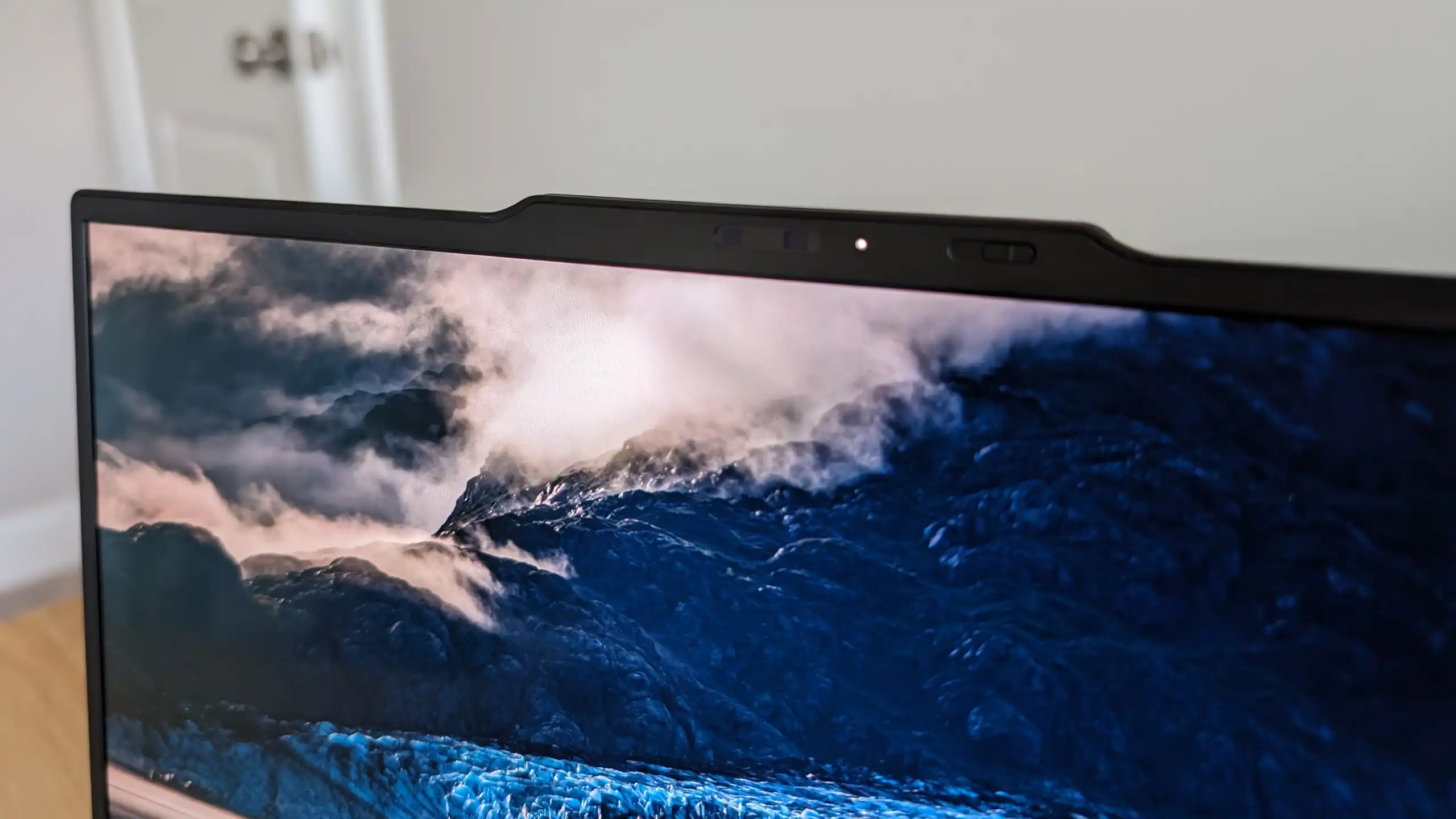
The new generation of Windows laptops integrates facial recognition and infrared cameras so deeply that users can now unlock their devices without ever touching the power button, marking a shift in both security expectations and daily workflow efficiency.
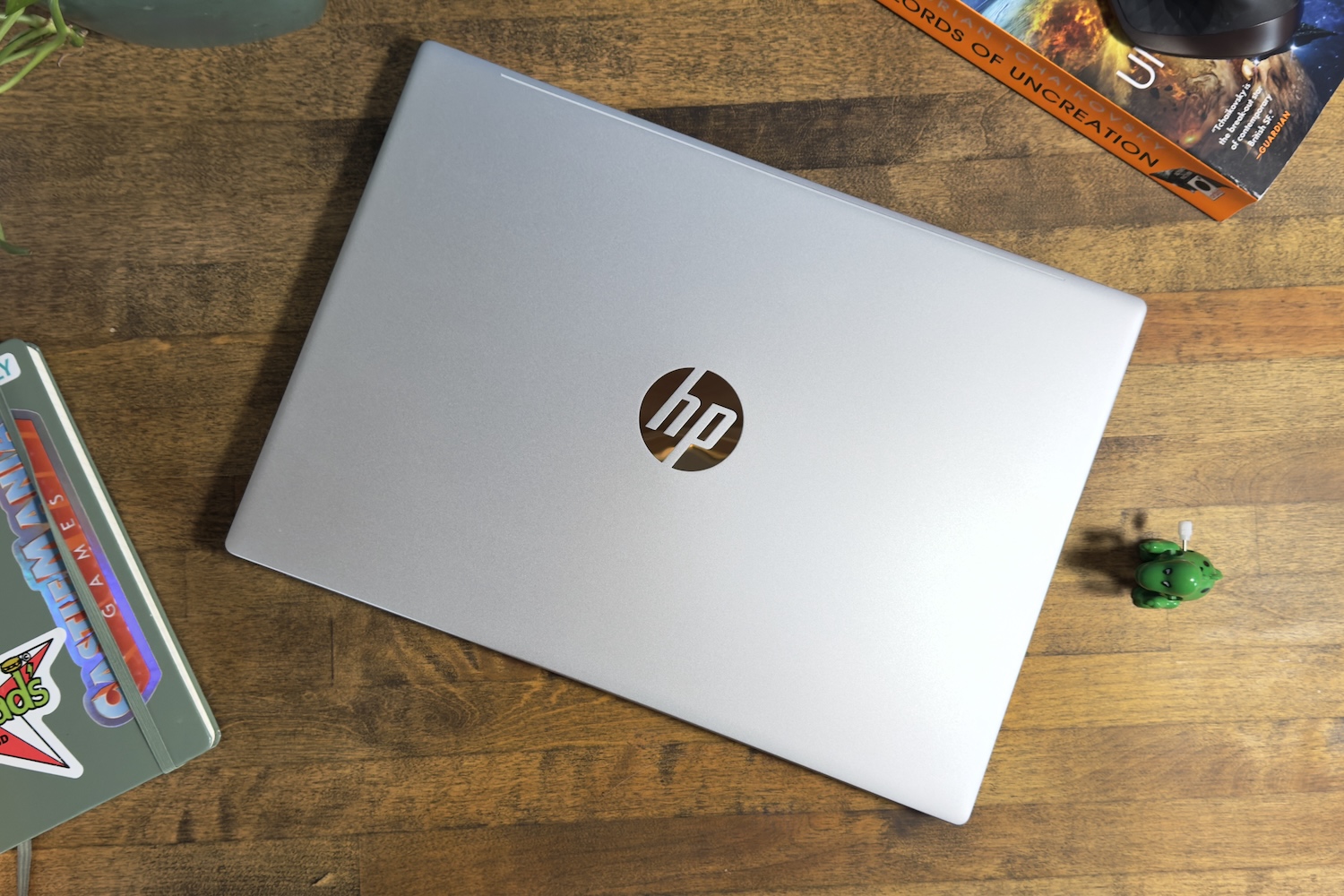
The HP OmniBook 5 now offers 16 GB of RAM and up to 10 real hours of battery life, delivering a new benchmark for productivity on the move. Engineers should weigh whether the hardware’s power meets their daily demands without overpaying for features they won’t use.
A compact, multi-port USB charger that eliminates cable clutter has dropped in price, making it a practical upgrade for IT teams managing shared workspaces.
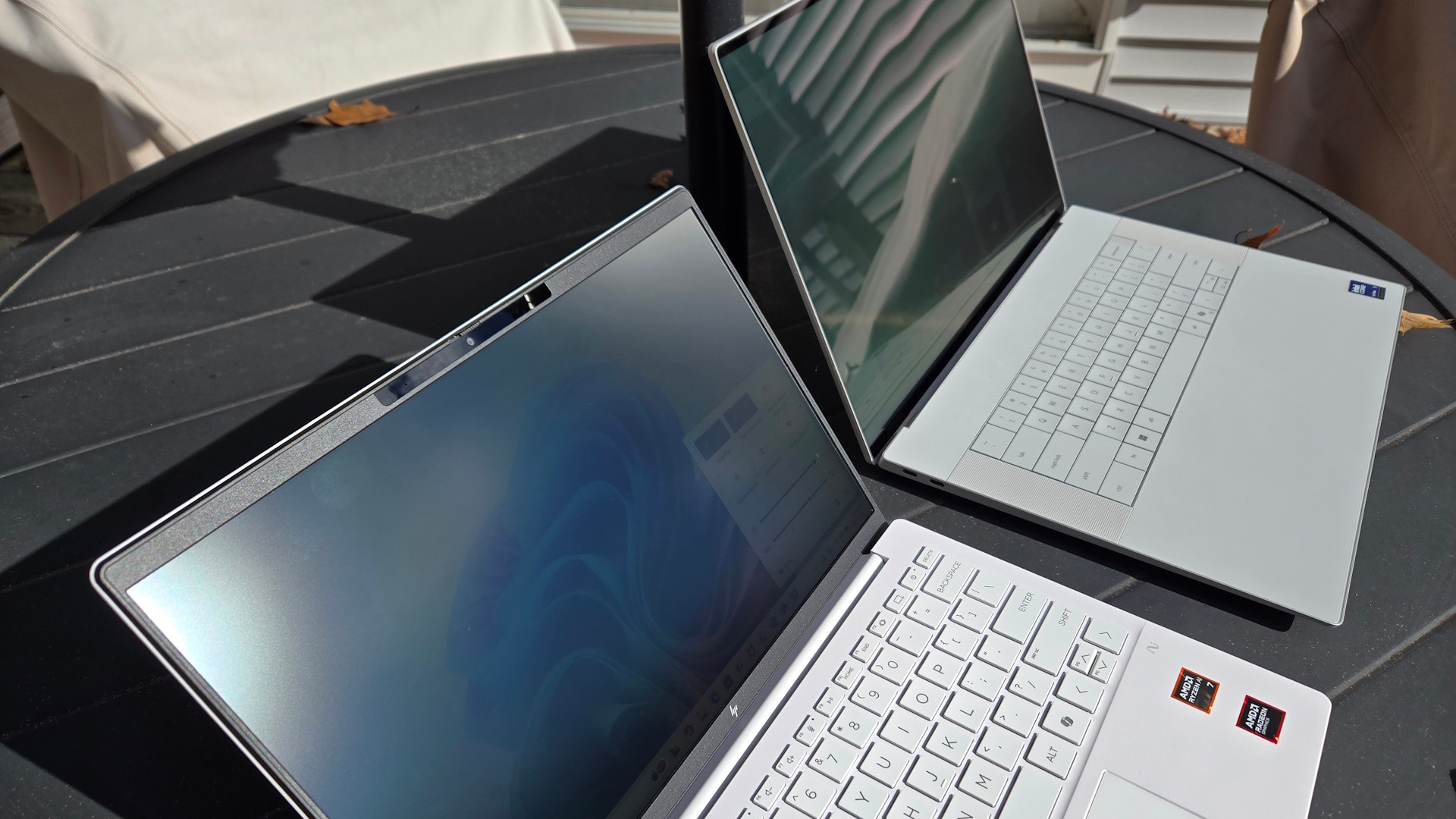
OLED laptops dazzle with their visual prowess, but glare emerges as a silent killer of productivity. This exploration delves into the practical realities behind the technology's allure.
A nearly mint-condition MacBook Pro with the M4 Max chip was sold at an unusually low price, challenging assumptions about secondary markets and hardware longevity.
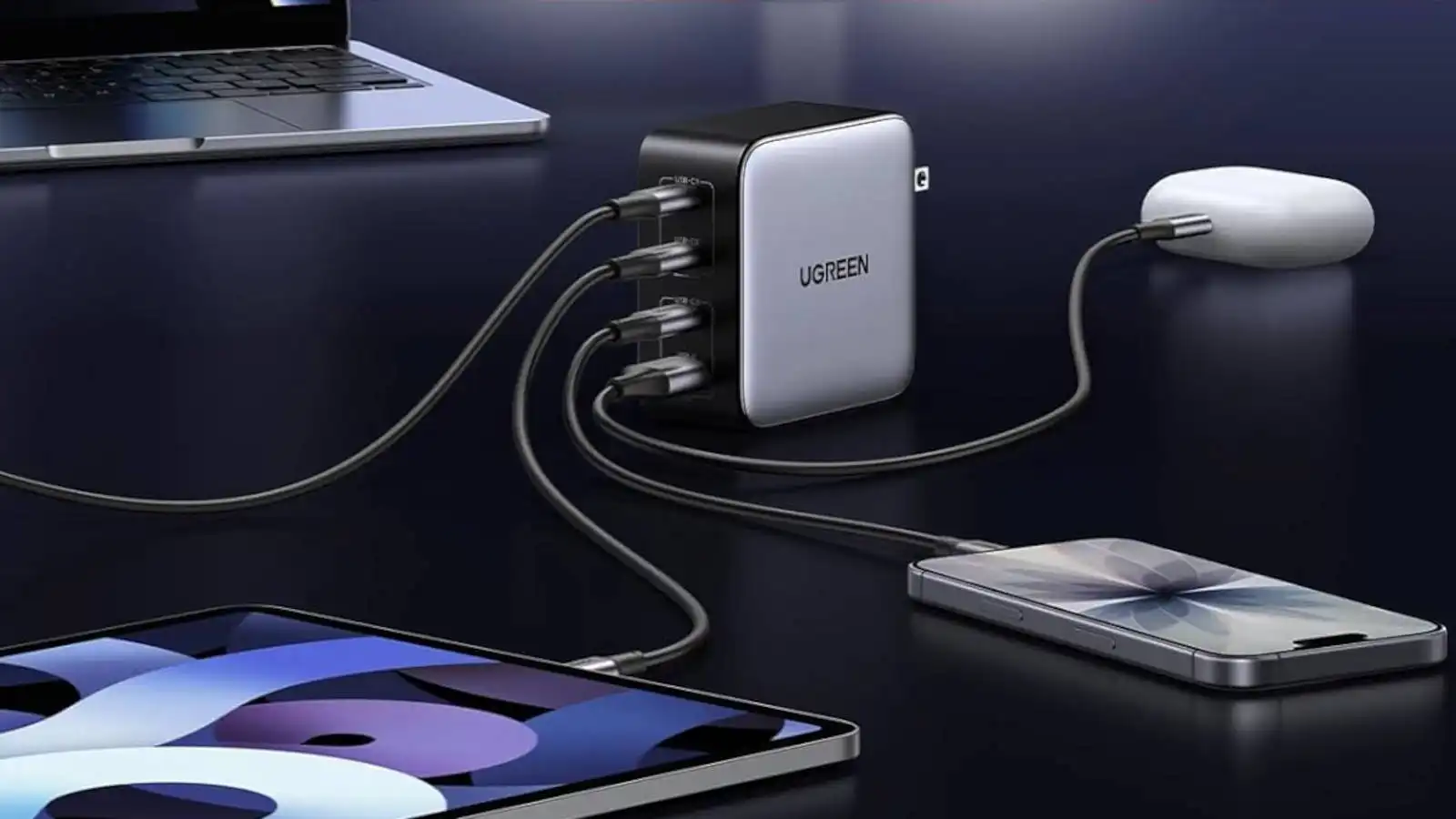
A new 4-port GaN charger from Ugreen delivers 100W of power across four USB-C ports at a 40% discount. It’s designed for professionals who need to charge multiple devices efficiently, but there are key considerations that users should weigh before adopting it.
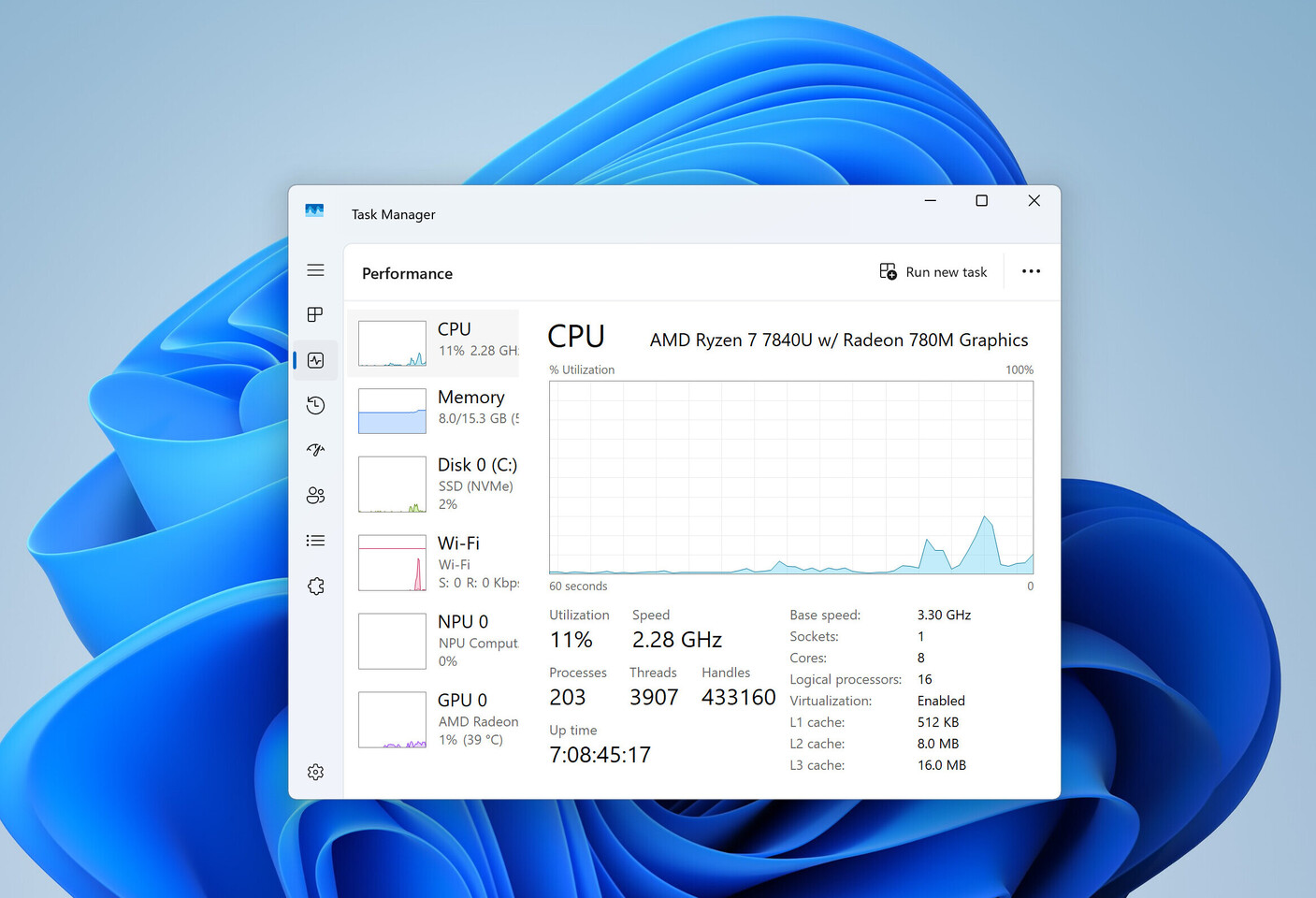
A hidden Windows 11 feature, codenamed 'Low Latency Profile,' briefly maxes out CPU speeds—boosting app launches by up to 70% but raising questions about long-term thermal and battery impacts. The move signals a shift toward aggressive performance tuning in consumer OS design.
A new generation of ultra-fast charging cables delivers 240 watts at a price point that challenges industry norms, making high-performance power delivery accessible to everyone.
Upgrading to a higher-speed internet plan often leaves users frustrated when their Wi-Fi performance doesn’t match expectations. A closer look at router capabilities, network congestion, and device limitations reveals why the speed boost isn’t always as seamless as advertised.
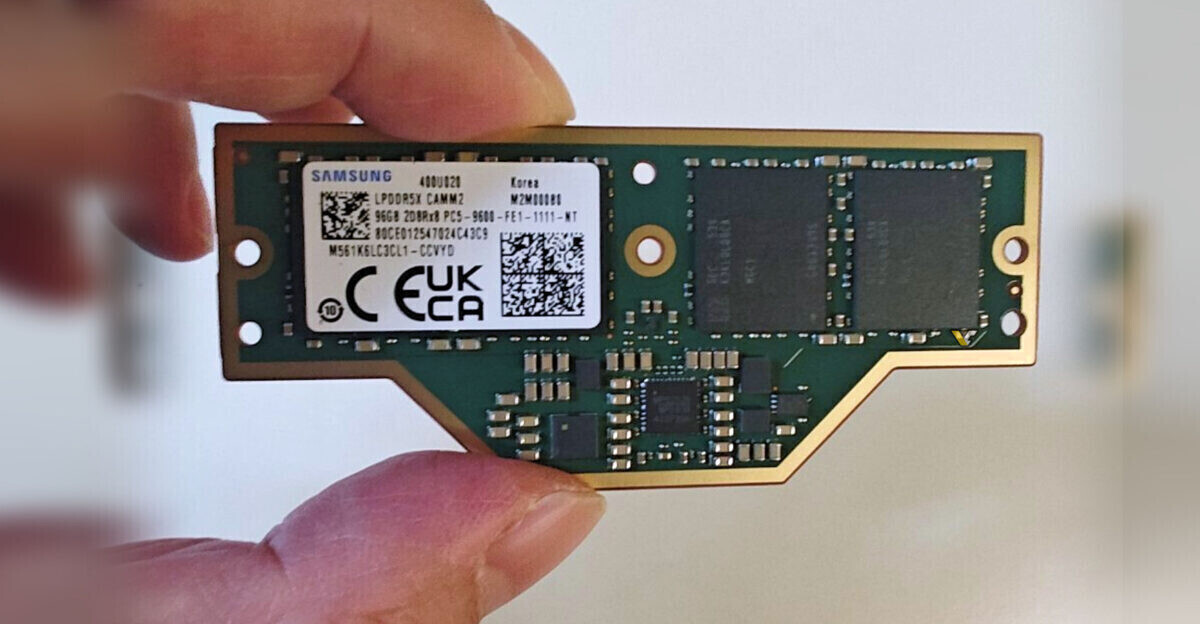
MemTest86 now supports preliminary testing for LPCAMM2, the memory form factor set to underpin next-generation Intel processors. This update bridges a gap in validation tools as LPDDR5X modules ramp up in high-performance systems.