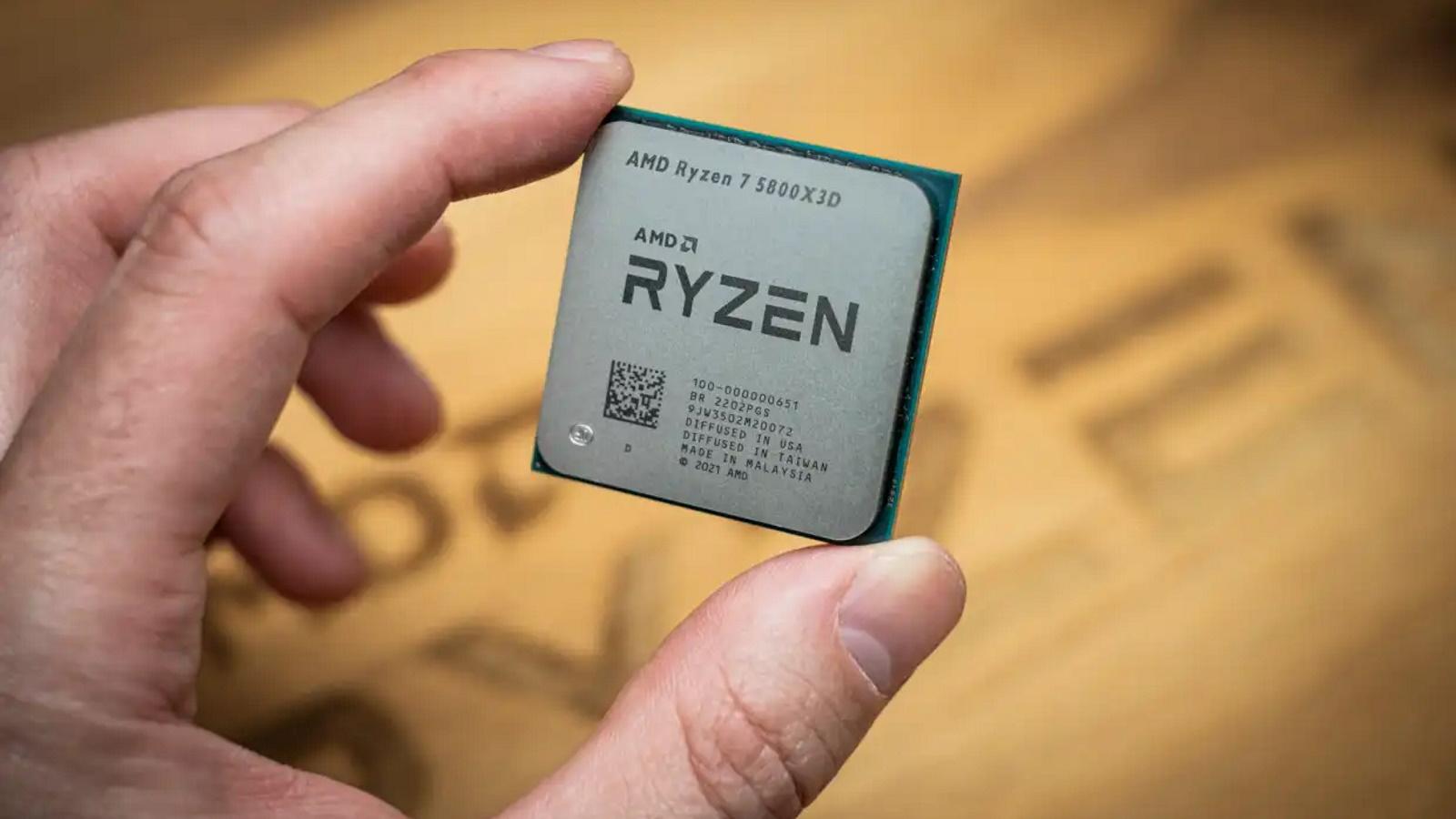
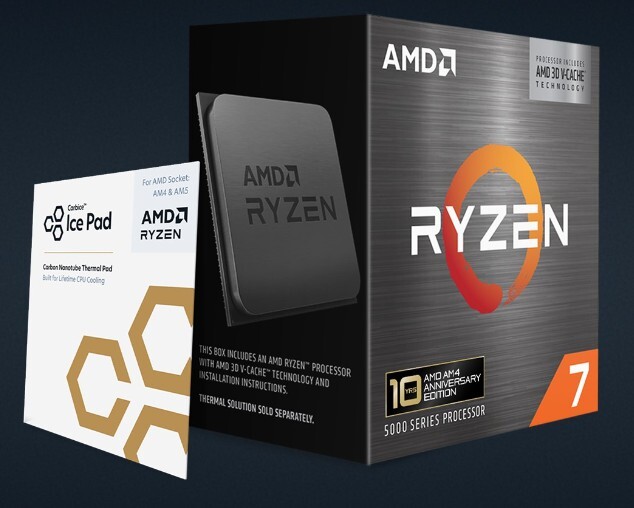
Gamers upgrading or building PCs today face an unseen enemy: thermal paste that degrades over time. Even high-end processors like AMD’s Ryzen 7 5800X3D—known for its 192 MB of L3 cache and DDR4 compatibility—can see performance drop as the material between CPU and heatsink dries out or shifts, leading to throttling. A new solution from Carbice aims to eliminate this problem entirely by bundling its carbon nanotube-based Ice Pad with the Ryzen 7 5800X3D, ensuring consistent thermal performance without maintenance.
This isn’t just about cooling; it’s about extending the usable life of a system. With memory costs rising and DDR5 upgrades requiring new motherboards, gamers who want to stick with DDR4 and AM4 are often stuck with older CPUs that still deliver strong performance but suffer from thermal degradation over time. The Ice Pad uses vertically aligned carbon nanotubes, which remain stable and conductive for the lifetime of a system, unlike traditional thermal pastes or graphite pads that can become brittle or delaminate.
Key Features
- Lifetime reliability: No degradation in thermal performance over time.
- Peel-and-stick installation: Simpler and cleaner than liquid metal or paste-based solutions.
- Sustainable design: Made from waste carbon gas and recycled aluminum, reducing environmental impact.
- Cleaner resale: Components remain clean and detach easily, preserving value when upgrading.
The Ryzen 7 5800X3D itself remains a powerhouse for gamers, offering strong performance on the AM4 platform—a choice that makes sense in today’s market. DDR5 adoption has been slower than expected, and supply chain constraints mean upgrading can be costly. This bundle gives users one less thing to monitor or replace, ensuring that the CPU they install today will perform as well years later.
Broader Implications
The Ice Pad isn’t just a gimmick; it’s part of a larger shift toward maintenance-free cooling solutions. Traditional thermal interface materials (TIMs) require periodic repasting, which adds cost and complexity for users. Carbon nanotube-based alternatives are gaining traction because they eliminate this step while maintaining or even improving thermal performance. For AMD, this is particularly important given the Ryzen 7 5800X3D’s reputation as one of the most beloved gaming CPUs in recent years.
Looking ahead, the combination of the Ice Pad and the Ryzen 7 5800X3D could set a new standard for longevity in PC components. While availability is expected later this year, early adopters can already find the Ice Pad preapplied in gaming desktops from partners like CyberPowerPC. For now, gamers who want to future-proof their builds—or simply avoid the hassle of repasting—will have a compelling option when it launches.