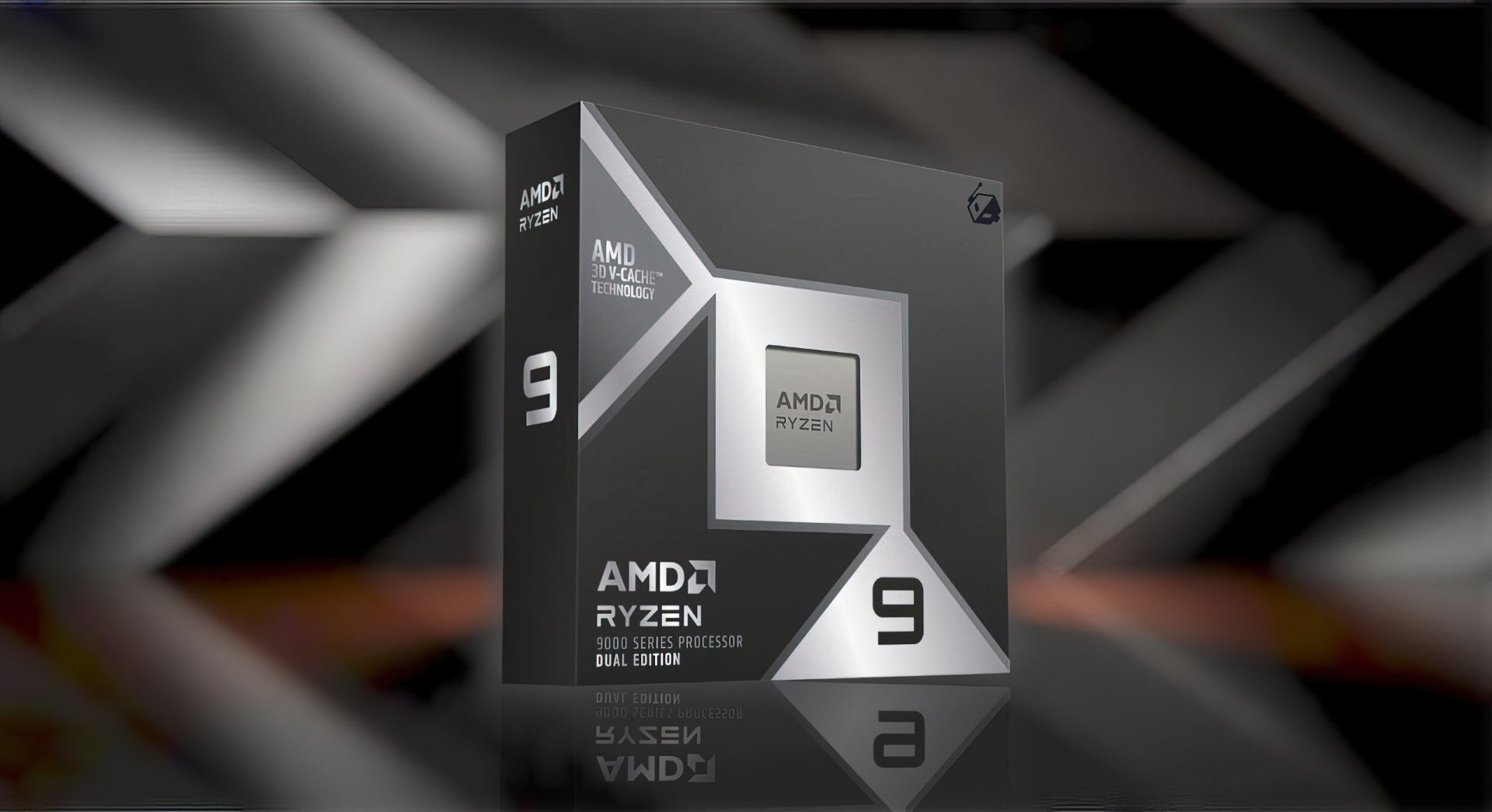
AMD’s upcoming Zen 6 processors may introduce one of the most significant changes to x86 interrupt handling since the 1980s, adopting Intel’s Flexible Return and Event Delivery (FRED) system in place of the aging Interrupt Descriptor Table (IDT). The shift, confirmed in newly published technical documentation, hints at a more ambitious redesign than AMD’s usual incremental updates—particularly if Zen 6 follows the pattern of past odd-numbered Zen generations (Zen 1, Zen 3, and Zen 5) as the primary points of major overhauls.
FRED, originally developed by Intel and now ratified by the x86 Ecosystem Advisory Board, replaces the IDT—a relic from the Intel 286 processor—with a streamlined approach to handling system events like keyboard inputs or network packets. The IDT has long required software developers to manually manage interrupts in multiple steps to prevent conflicts, consuming unnecessary CPU cycles. FRED simplifies this process into a single optimized operation, potentially freeing up processing power for performance gains.
While Intel’s Panther Lake processors mark the first consumer adoption of FRED, the technology hasn’t yet delivered dramatic per-core performance jumps. Early indications suggest its benefits may be more pronounced in newly compiled software rather than legacy applications. AMD’s adoption, however, could accelerate broader industry support, as both companies now share the same underlying framework.
The AMD vs. Intel Approach
Linux creator Linus Torvalds has long criticized the IDT’s complexity, calling it a horrid remnant of outdated CPU design. In 2021, he praised Intel’s FRED as a step toward modernizing x86 exception handling, though he noted AMD had previously developed its own workaround for IDT’s limitations. The two approaches differ fundamentally

- FRED (Intel’s model): A clean break from legacy systems, designed for long-term compatibility while eventually phasing out older methods. Torvalds described it as the right thing to do for x86’s future.
- AMD’s workaround: A more gradual fix, allowing existing code to integrate without major restructuring—though still reducing the need for fragile hacks.
Torvalds’ preference for FRED stems from its potential to simplify exception handling and improve speed, though he acknowledged both methods have merit. AMD’s decision to adopt FRED—rather than continuing its own path—suggests a strategic alignment with Intel’s vision for x86 evolution.
Zen 6: A Major Leap or Incremental Update?
AMD’s history with Zen architectures has followed a clear pattern: odd-numbered generations (Zen 1, Zen 3, Zen 5) introduce sweeping changes, while even-numbered updates (Zen 2, Zen 4) refine existing designs. If Zen 6 follows this trend, it could mark a rare exception—a full architectural refresh rather than a minor optimization. Past leaks and AMD’s own statements hint at a 2026 launch for Zen 6-based processors, with more details expected later this year.
The adoption of FRED alone doesn’t guarantee a performance revolution, but it signals AMD’s willingness to embrace foundational changes. Whether this translates into tangible speed improvements for consumers—or remains largely transparent to end-users—will depend on how deeply the shift permeates software and hardware ecosystems.
One thing is certain: If Zen 6 delivers on FRED’s promise, it could redefine how x86 processors handle interrupts for decades to come.