Apple’s first foldable smartphone, the iPhone Fold, is taking a different path than Samsung when it comes to safeguarding its delicate inner display. While Samsung’s Galaxy Z series relies on polyethylene terephthalate (PET) film—a cost-effective but less scratch-resistant material—Apple is reportedly testing a polyimide (PI) film layer on top of its ultra-thin glass (UTG) panels. If adopted, this would mark a significant upgrade in durability for the iPhone Fold, addressing one of the biggest pain points of foldable phones: the vulnerability of the inner screen to scratches and wear over time.
The shift toward PI isn’t just about aesthetics; it’s a practical move for a device expected to carry a premium price tag. Sources close to the development suggest Apple is leaning toward PI despite its higher manufacturing cost, as it offers superior protection compared to PET. This could be a decisive factor for consumers weighing the iPhone Fold against Samsung’s offerings, where the inner display has historically been prone to damage from everyday use—something even Apple’s own engineers have had to contend with in earlier iterations.
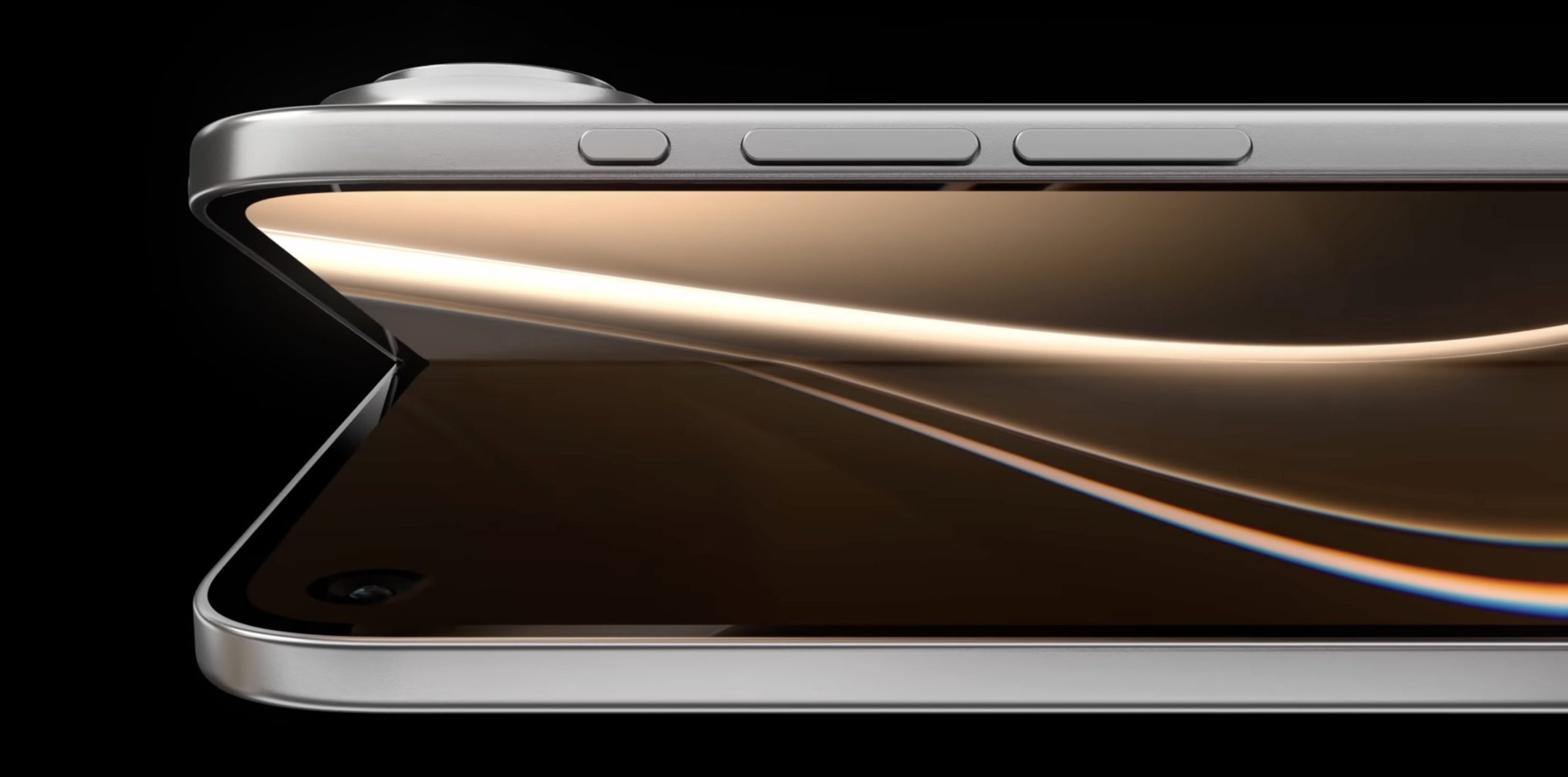
Why does this matter? Foldable phones are designed for flexibility, but that flexibility comes at a trade-off: the inner display is thinner and more exposed than traditional smartphone screens. Over months of use, even minor scratches or creases can accumulate, degrading visibility and functionality. Samsung’s PET film has been the industry standard, but it lacks the resilience of PI, which is already used in some high-end foldables and known for its toughness. If Apple finalizes PI for the iPhone Fold, it would signal a commitment to longevity—something critical for a device priced near $2,400.
The choice of supplier could also play a role. Kolon Industries, which has experience developing PI solutions for foldable displays, is reportedly in discussions with Apple. This aligns with Apple’s history of partnering with specialized manufacturers to ensure top-tier performance in its hardware. While the company has explored PET in the past, internal testing may have revealed the advantages of PI, particularly in reducing long-term wear and tear.
The iPhone Fold’s launch later this year hinges on these technical decisions. With Samsung’s foldables already facing scrutiny over durability, Apple’s potential adoption of PI could position its device as the more robust option—even if it means a higher upfront cost. For a market still skeptical of foldable phones, this could be the nudge needed to justify the investment.