Motherboards built for today’s workloads often come with a hefty price tag, especially when targeting newer CPU generations. The ASRock B860 Challenger WiFi stands out by offering a feature-rich board at a more accessible cost, but its true value lies in what it can do—and how efficiently—without breaking the bank.
This isn’t just another entry-level board; it’s designed with an eye toward longevity and flexibility. It supports both Intel 12th Gen (Alder Lake) and 13th Gen (Raptor Lake) processors, a rare feat in this price bracket. That means users won’t be forced to upgrade their entire system just to keep up with the latest CPUs. But whether that translates into real-world performance gains or just future-proofing remains to be seen.
At a glance
- A compact, budget-friendly motherboard supporting Intel 12th and 13th Gen CPUs (LGA 1700 socket).
- Dual-channel DDR5 memory support with up to 128GB capacity.
- Integrated Wi-Fi 6E and Bluetooth 5.2 for modern connectivity.
- Four SATA ports and two M.2 slots (one PCIe 4.0, one PCIe 3.0) for storage flexibility.
- A total of six USB ports (four on the rear I/O, two internal), including USB 3.2 Gen 1 and Gen 2.
- No RGB lighting or flashy aesthetics—just a clean white design with minimalist styling.
The B860 Challenger WiFi is far from feature-light for its price. It includes everything a user would need for basic to moderate workloads, whether that’s gaming, content creation, or general productivity. The inclusion of Wi-Fi 6E is notable, as it future-proofs connectivity without requiring additional hardware. However, the lack of USB-C on the rear I/O might disappoint those who prefer more versatile ports.
What’s under the hood
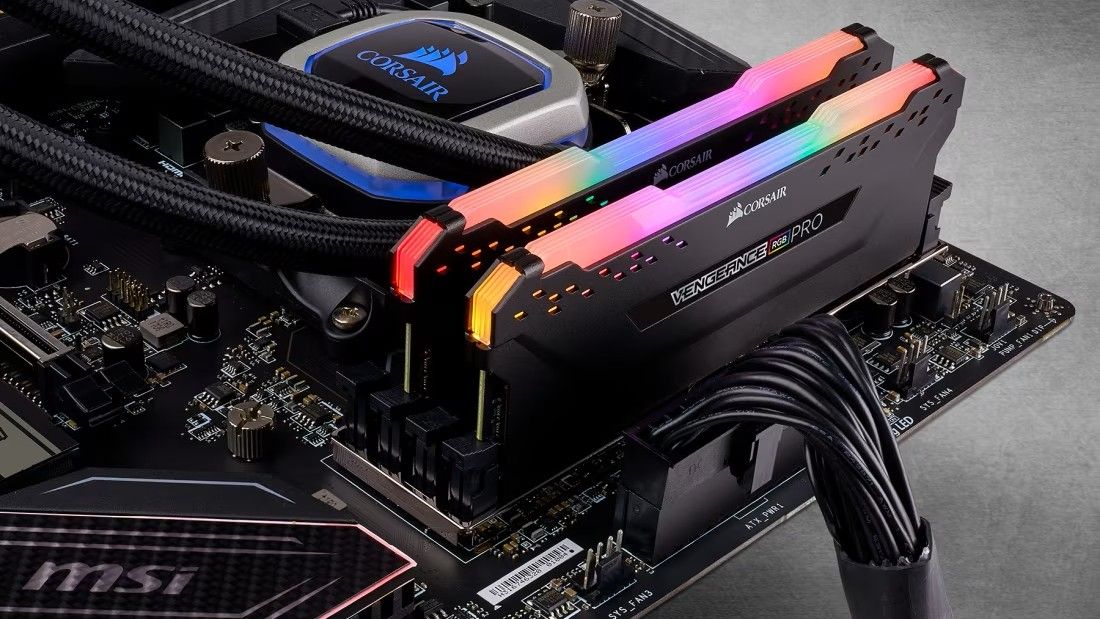
The board itself is built around the Intel B860 chipset, which is known for balancing performance and cost. It supports up to 128GB of DDR5 memory in a dual-channel configuration, a significant leap from older generations that relied on DDR4. This means users can take full advantage of newer CPUs without worrying about memory bottlenecks.
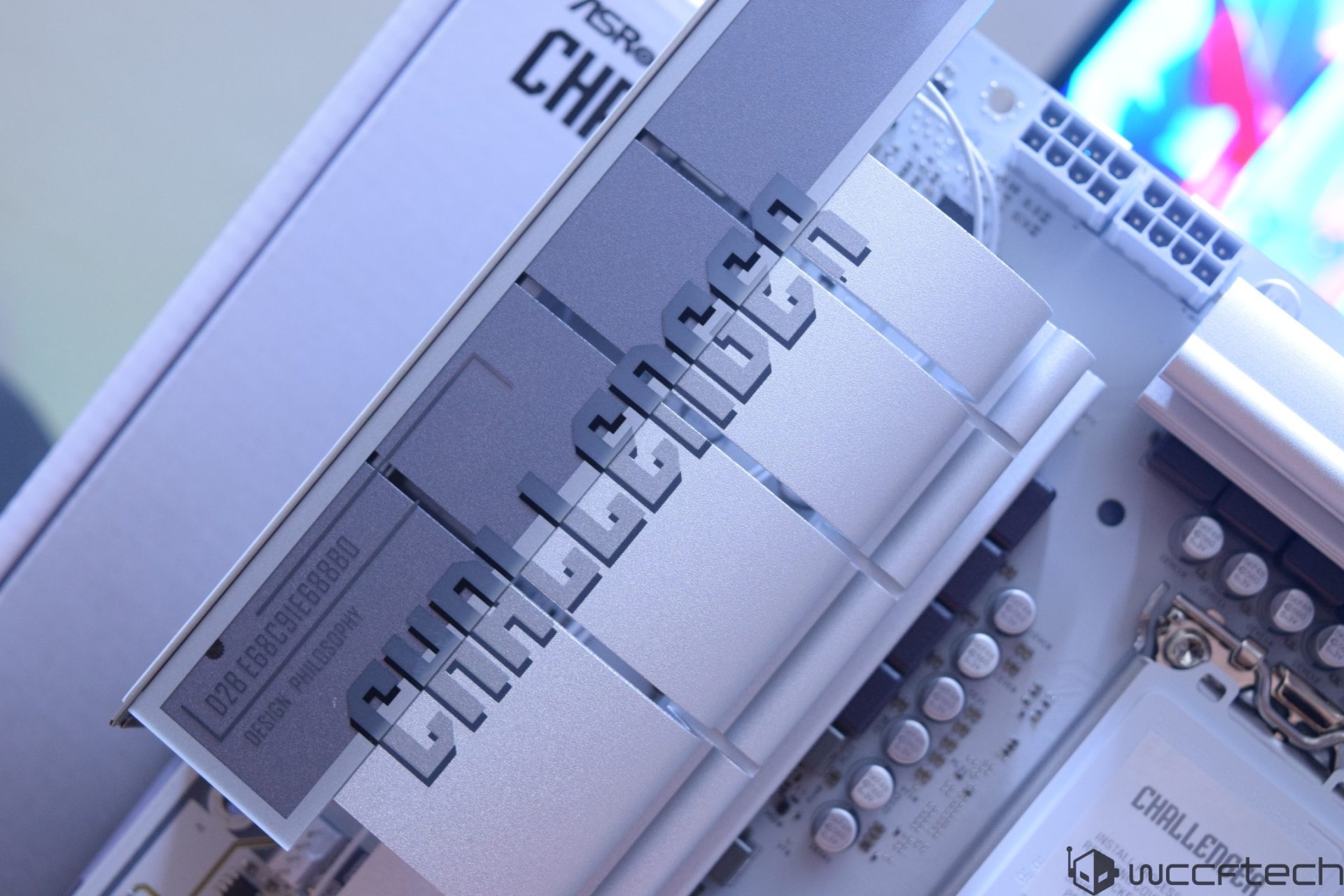
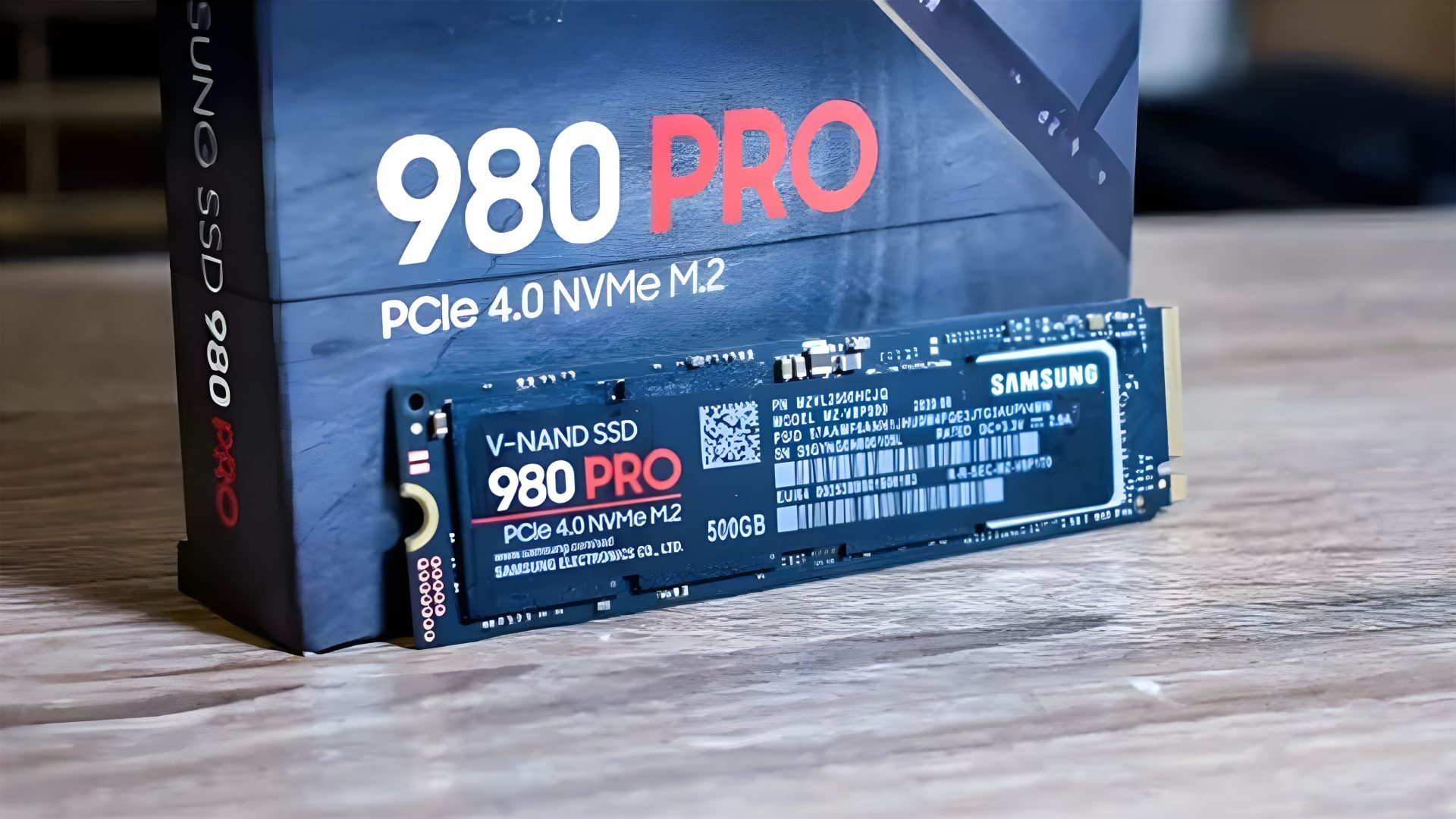
Storage options are also well-considered, with four SATA ports and two M.2 slots—one PCIe 4.0 for faster NVMe SSDs and one PCIe 3.0 for secondary storage or OS drives. This setup is ideal for users who need a mix of speed and capacity without overpaying. The absence of Thunderbolt support, however, might be a drawback for professionals relying on high-speed data transfer.
Connectivity is where the board shines with its integrated Wi-Fi 6E and Bluetooth 5.2. This isn’t just about faster internet speeds; it’s about future compatibility with newer devices that leverage these standards. The rear I/O includes four USB ports (two USB 3.2 Gen 1 and two Gen 2), which is standard for this class, but the lack of USB-C could limit its appeal to some.
Performance in perspective
The real question is whether this board can keep up with more expensive alternatives without sacrificing performance. The B860 chipset is designed to handle mid-range tasks efficiently, so it won’t match the raw power of higher-end H or Z series boards. But for everyday use—browsing, streaming, light gaming, and office work—it should perform admirably.
One area where budget boards often struggle is cooling. The B860 Challenger WiFi doesn’t come with a premium VRM setup, but it’s unlikely to overheat under normal loads. Users who push their systems to the limit (e.g., heavy gaming or rendering) might find themselves upgrading the VRM or cooling solution sooner rather than later.
What’s confirmed and what’s unknown
The B860 Challenger WiFi is a solid choice for those looking for a no-nonsense motherboard that won’t break the bank. It supports the latest CPUs, offers decent memory and storage options, and includes modern connectivity features. However, its lack of advanced features like Thunderbolt or USB-C on the rear I/O means it’s not for everyone.
What remains to be seen is how well it handles sustained workloads over time. While it won’t win any awards in benchmark tests, its real value lies in its balance of cost and functionality. For users who prioritize value over cutting-edge performance, this board delivers exactly what it promises: a budget-friendly platform that doesn’t hold them back.