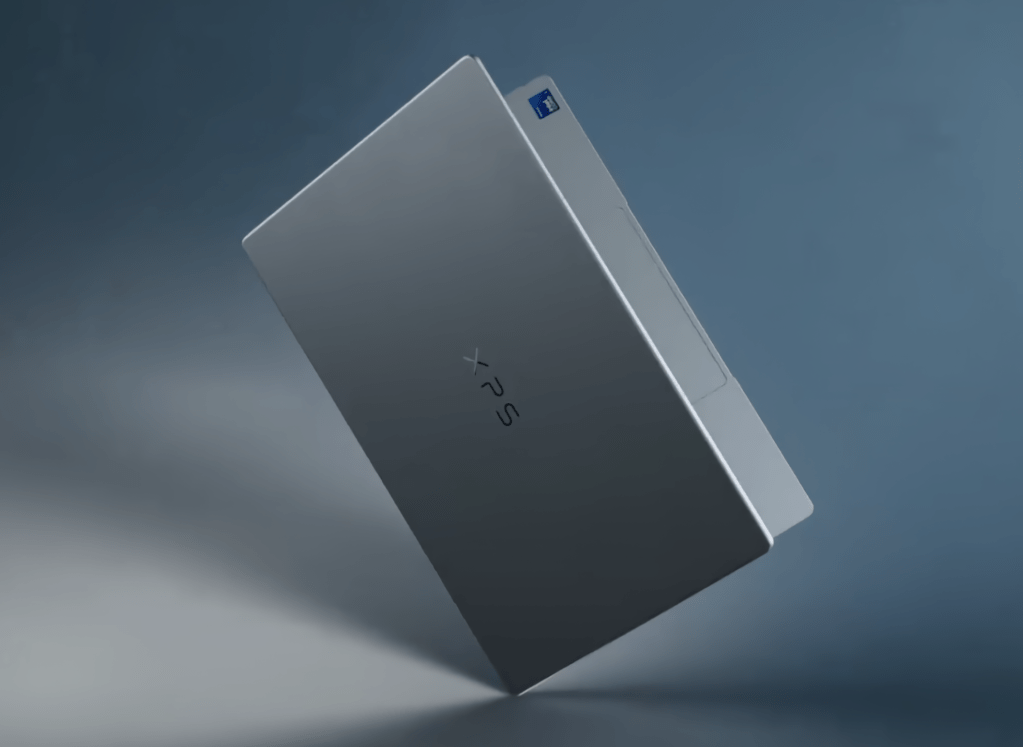
The Dell XPS 13 is set to make its debut in the coming weeks at a base price of $599, placing it squarely in the sub-$600 ultraportable segment. This aggressive pricing strategy mirrors recent moves by competitors like Apple, which has dominated this space with its MacBook Neo lineup. For IT teams, the challenge extends beyond cost—it involves assessing how well this new model will integrate into existing enterprise environments.
What’s immediately clear is that the XPS 13 is packing serious hardware for its price point: a 12th-generation Intel Core i5 processor, 8GB of LPDDR5 RAM, and at least 256GB of NVMe storage. These specifications are designed to deliver performance on par with mid-range MacBook models, but the real test will be how Dell handles software integration, particularly for enterprise workloads.
Pricing and Availability: A Balancing Act
- Price: $599 (base model)
- Launch: Expected within the next month
- Supply: Initial stock is limited, with a ramp-up planned for Q4
Dell has historically focused on Windows-based enterprise adoption for its XPS line, but this sub-$600 price point suggests a broader appeal. IT teams should be prepared for potential supply constraints during the holiday season if demand outpaces expectations. The risk here isn’t just about availability—it’s about whether Dell can maintain consistency in performance and support as it scales production.
Compatibility: Windows-Centric, But Not Without Risks
- Windows 11 Pro: Full enterprise feature support is confirmed, including Active Directory integration, which is a critical requirement for most IT teams.
- Peripherals: The XPS 13 comes with standard USB-C and Thunderbolt 4 ports, reducing the risk of compatibility issues with legacy devices. This is a significant advantage over some competitors that still rely on proprietary connectors.
While there’s no official confirmation about macOS support for this model, IT teams should consider whether their specific workloads—especially those relying on macOS-specific tools—could be affected by any potential shifts in Dell’s strategy. For now, Windows-centric deployments remain the safest path, but the XPS 13’s aggressive pricing could push some organizations to reconsider their hardware choices.
The most significant change here isn’t just the price drop—it’s Dell’s decision to compete aggressively in the sub-$600 ultraportable space. This shift could introduce new support complexities for IT teams, particularly if demand surges and supply struggles to keep up. The question is whether this model will prove to be a sustainable addition to enterprise fleets or if it will create more work than it’s worth.
For IT teams, the key takeaway is clear: the XPS 13 is a strong contender on paper, but real-world testing and long-term support will determine its success. Those with strict compatibility requirements should proceed with caution, ensuring that this new model doesn’t become another source of headaches in an already complex enterprise environment.