Intel is set to announce another round of CPU price increases in May, adding to the hikes already implemented in February and March. These adjustments come at a time when demand for CPUs has skyrocketed, particularly from AI data centers, which are now consuming CPUs at a rate that far outpaces supply.
The cumulative effect of these price increases could see Intel's CPU prices rise by as much as 30% compared to last year. This is part of a broader trend where both Intel and AMD are struggling to meet the surging demand, particularly from AI workloads that require significant compute power. The situation has become so severe that some estimates suggest the CPU-to-GPU ratio in data centers could reach as high as 1:4, with four GPUs per single CPU socket.
Intel's challenge is further complicated by its reliance on multiple foundries for production. While a significant portion of CPU manufacturing is handled internally by Intel Foundry Services, some CPUs require silicon from TSMC, particularly those using advanced multi-die packaging. This dependency has created bottlenecks in the supply chain, making it difficult for Intel to ramp up production quickly enough to meet current demand.
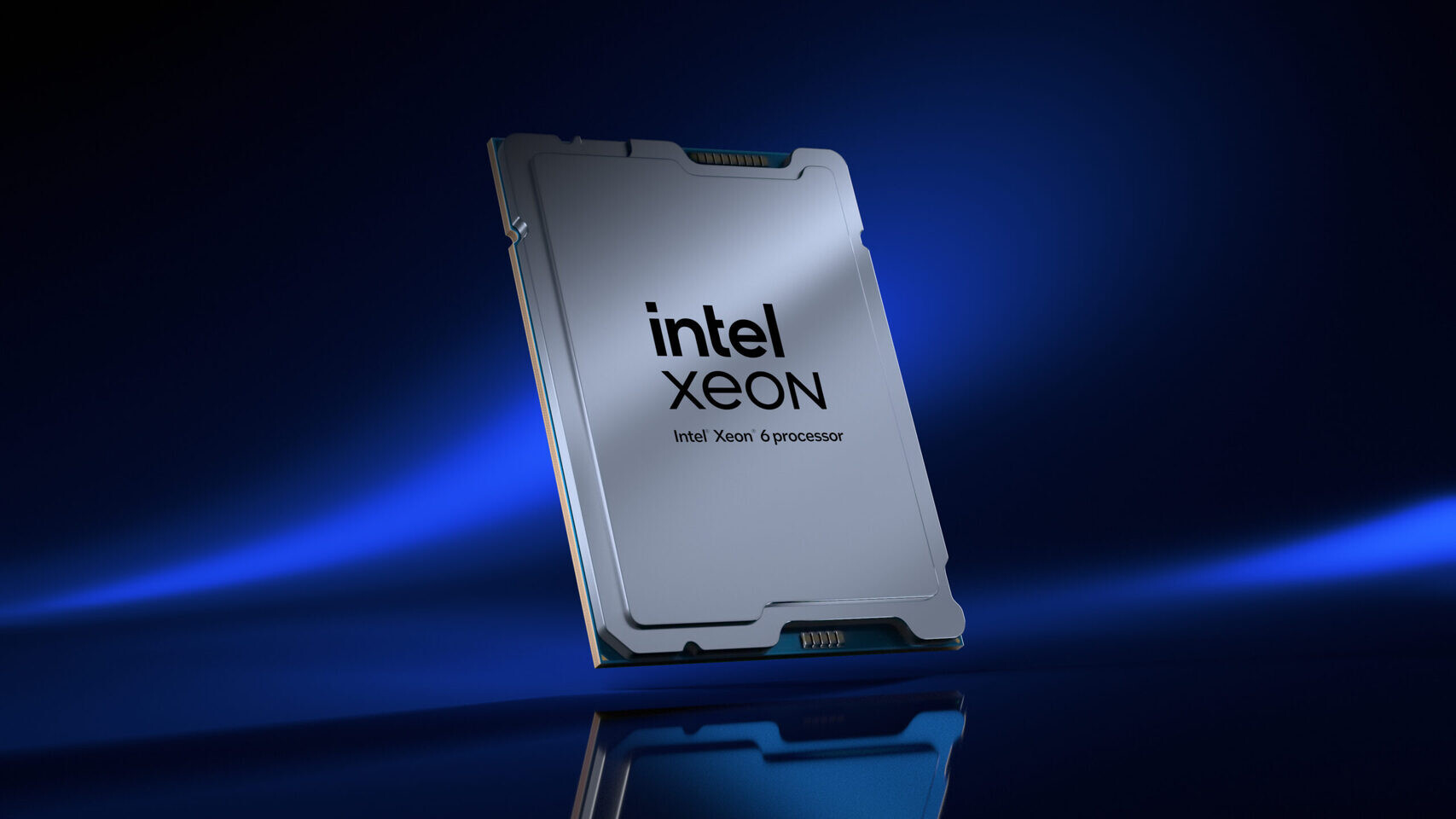
AMD, on the other hand, is also navigating a complex landscape with its upcoming Zen 6 processors. These chips are set to use TSMC's 2 nm process node for core cluster dies (CCDs) and a 3 nm node for the input/output die (IOD). This shift in manufacturing strategy reflects the challenges of scaling production while maintaining performance and efficiency.
The surge in AI demand has not only strained supply but also pushed prices higher. The situation is further exacerbated by the fact that GPUs, which are also in high demand, often require more CPUs to support them in data center configurations. This imbalance has led to a competitive environment where both Intel and AMD are adjusting their pricing strategies to manage inventory while capitalizing on strong market conditions.
For buyers, this means higher costs for CPUs, but it also signals a period of significant innovation in the chip industry. As AI continues to reshape the landscape, the focus will remain on balancing performance, efficiency, and cost—key factors that will determine how well these companies can meet the growing needs of data centers and other high-demand applications.