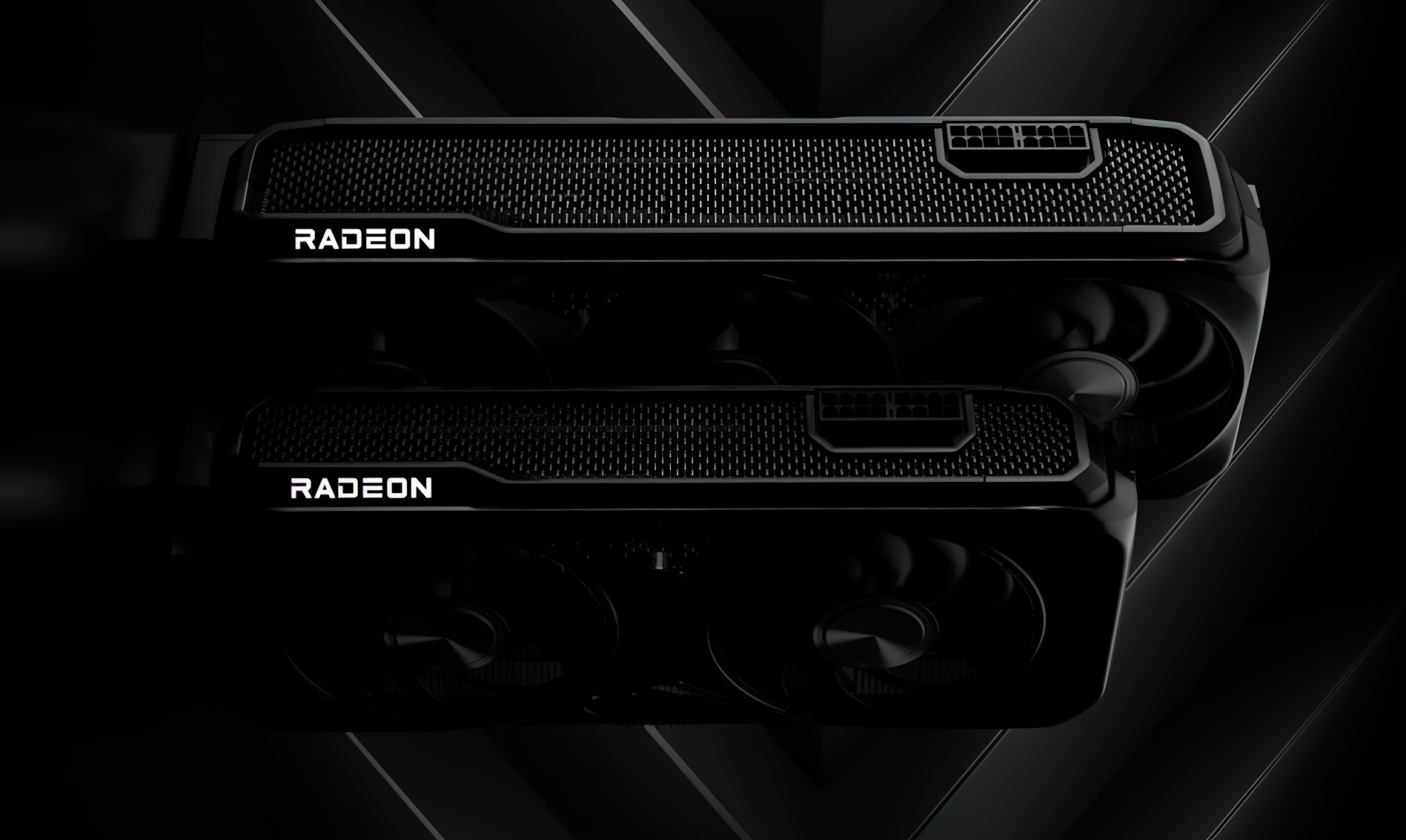
AMD's Radeon RX 9070 series is now available below its recommended retail price (MSRP) in Germany, a move that could reshape the mid-range GPU landscape. This unexpected shift comes at a time when small businesses are increasingly evaluating hardware investments with an eye toward future-proofing, making the RX 9070's pricing a critical factor in their decisions.
The RX 9070 series, built on AMD's RDNA 3 architecture, was designed to bridge the gap between entry-level and high-performance GPUs. With its 12GB GDDR6 memory and up to 41 compute units, it offers a balance of power and efficiency that was intended to appeal to both gamers and content creators. However, the recent price drop—now sitting around 5% below MSRP—suggests that market dynamics are pushing AMD to recalibrate its strategy, at least in certain regions.
For small businesses, this development is particularly relevant because it introduces a new variable into their hardware procurement process. The RX 9070's price point, when combined with its performance capabilities, could make it an attractive option for workstations that require both rendering power and longevity. Yet, the question remains: Is this drop a sign of over-supply, or is AMD responding to competitive pressure from NVIDIA and Intel? The answer will likely determine whether small businesses should rush to adopt this GPU or wait for further adjustments.
Looking ahead, the RX 9070's success—or failure—will hinge on its ability to deliver sustained performance improvements over its predecessors. While benchmarks have shown it outperforms the previous-generation RX 6800 by up to 25% in certain workloads, real-world usage will test whether that translates into tangible benefits for small businesses, such as faster rendering times or improved productivity in specialized software.
The price drop is not without its implications. For one, it may signal a softening in the GPU market, which could benefit smaller resellers and integrators who have been squeezed by higher component costs. On the other hand, if this trend spreads globally, it could erode the margins that AMD has carefully cultivated for its mid-range products. The challenge now is to assess whether this move is a one-time correction or the beginning of a broader shift in how AMD positions its hardware in the market.
For small businesses, the RX 9070's current pricing could be an opportunity to secure high-performance hardware at a more accessible cost. However, they should also consider whether the GPU's features align with their long-term needs. For example, the inclusion of AMD's Smart Access Memory and FidelityFX technologies could enhance productivity, but only if paired with compatible CPUs and software. The real test will be whether this price drop translates into sustained value—or if it's a temporary blip in an otherwise stable market.