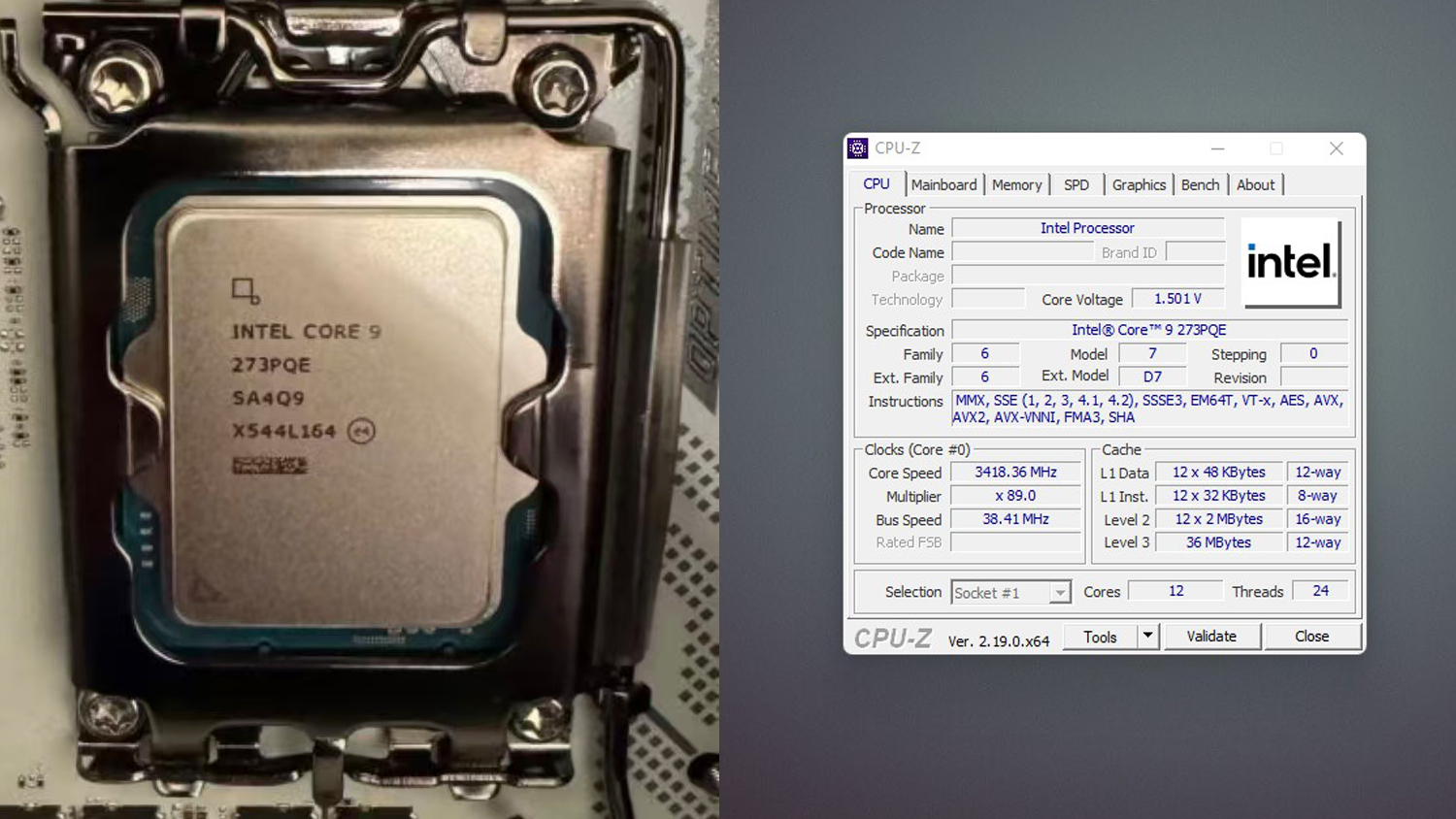
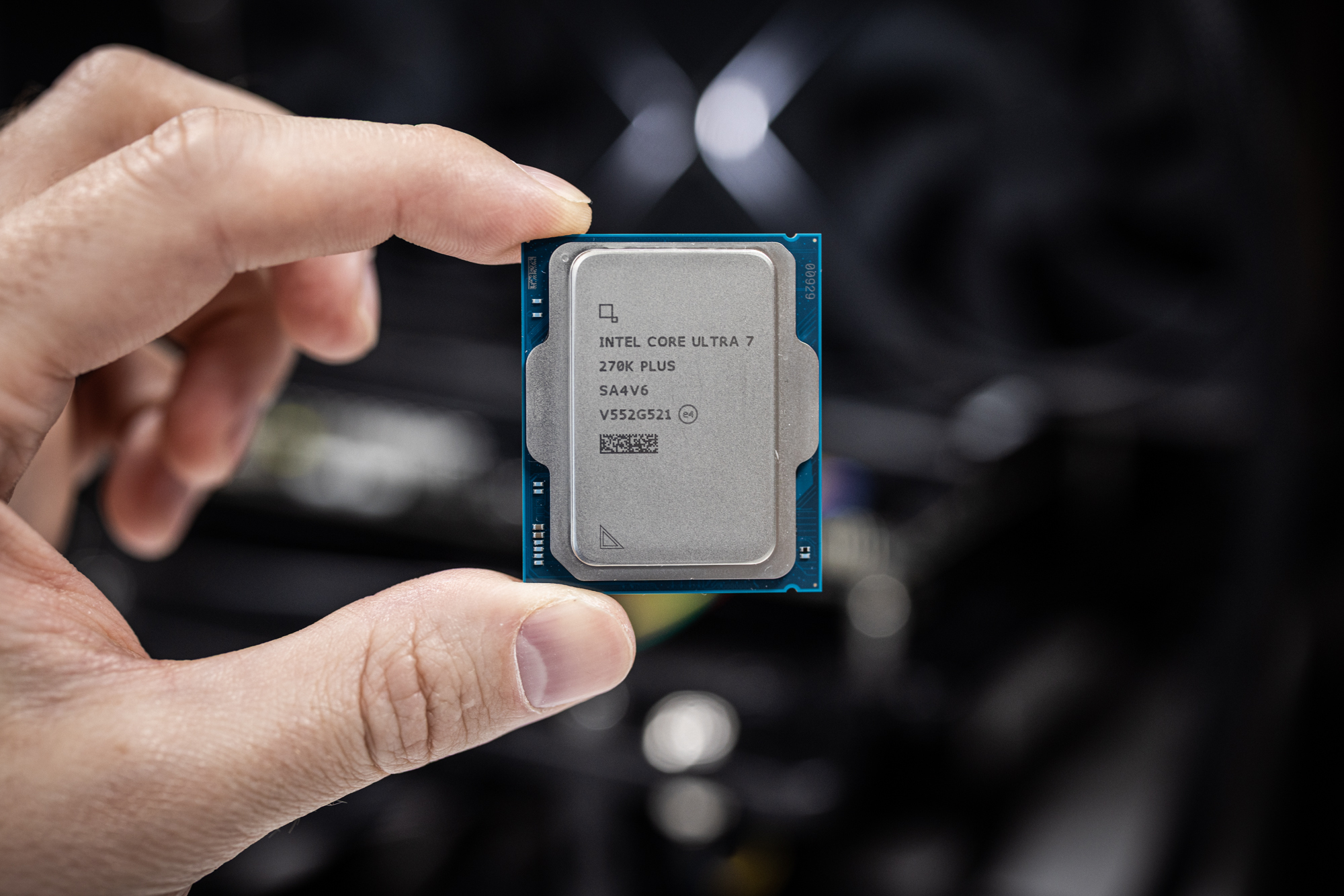
Intel’s Core Ultra 7 270K Plus is a high-performance processor designed to push efficiency boundaries, but its adoption in enterprise environments may be complicated by compatibility issues with existing hardware. The chip’s impressive specs—14 cores, 24 threads, and a peak clock speed of 5.8 GHz—suggest significant performance gains, yet the practical challenges of integrating it into current systems could limit its appeal.
The processor’s thermal design power (TDP) ranges from 125W to 170W, depending on configuration. While this flexibility allows for better thermal management, enterprises running systems at the upper end of their cooling capacity may need to upgrade infrastructure to accommodate the higher power draw. This could lead to unexpected costs and operational disruptions.
Key Specifications
- 14 cores / 24 threads
- Base clock: 3.8 GHz
- Boost clock: 5.8 GHz (single-core)
- L3 cache: 36 MB
- TDP: 125W (configurable up to 170W)
The chip’s socket compatibility, LGA 1851, further complicates adoption. While newer platforms like AM5 are ready for this transition, older systems may not support the upgrade without significant hardware changes. This could force enterprises to choose between a full system refresh or sticking with legacy components that no longer meet performance demands.
Market Implications
The Core Ultra 7 270K Plus is generating mixed reactions in the industry. Some analysts praise its ability to handle demanding workloads efficiently, positioning it as a strong contender for workstations and high-end desktops. However, concerns about compatibility and the cost of infrastructure upgrades are giving pause to potential buyers.
For enterprises already invested in legacy systems, the 270K Plus represents a high-stakes gamble. The performance gains are undeniable, but the operational risks—such as cooling requirements, motherboard support, and long-term compatibility—may outweigh the benefits. Whether it becomes a standard or remains a niche product depends on how smoothly it integrates into existing workflows without disrupting operations.
The processor’s success hinges not just on its technical capabilities but also on Intel’s ability to address enterprise concerns around compatibility and support. If these challenges are resolved, the 270K Plus could redefine high-performance computing in business environments. Otherwise, it may face slow adoption as organizations hesitate to invest in a chip that doesn’t seamlessly fit their current infrastructure.