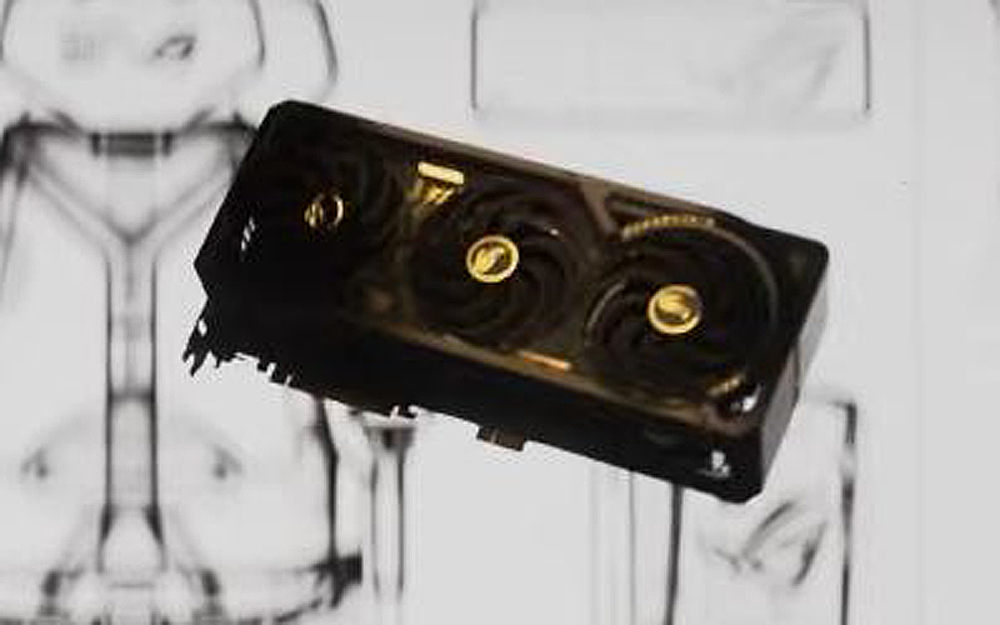
Intel has quietly expanded the capabilities of its Arc Pro B770 GPU, introducing it as the company's largest discrete GPU to date. Unlike previous generations that prioritized workstation tasks, this iteration now includes robust gaming support, bridging a gap long dominated by competitors.
The shift is notable for several reasons. First, the 'Battlemage' architecture, which has been in development for some time, is being leveraged more aggressively than ever before. This means that while previous optimizations have already addressed AI inference and professional workloads, gaming support has been an afterthought—until now. The new drivers, version 101.8629 WHQL, are designed to handle both scenarios with minimal overhead, allowing workstations to pivot from deep learning tasks to high-end gaming without performance dips.
This isn't just about raw power; it's about how Intel positions its GPUs in a market where platform lock-in is increasingly critical. The Arc Pro B770 doesn't just compete on specs—it competes on the ability to seamlessly integrate into existing workflows, whether that's rendering, AI development, or gaming. For developers and enterprises, this could mean fewer compatibility issues and more predictable performance across diverse workloads.
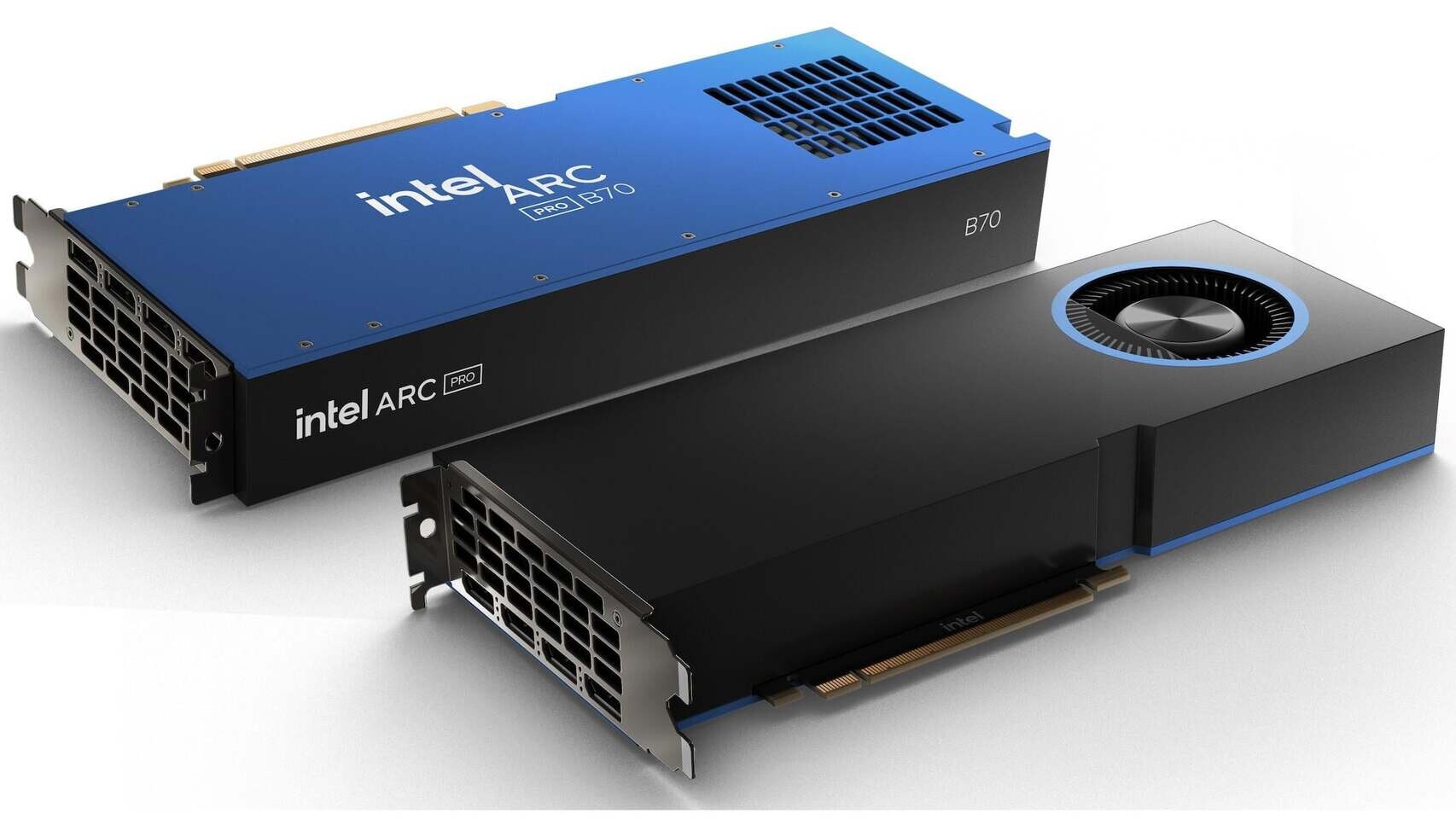
Key specs for the Arc Pro B770 include
- Architecture: Xe2 'Battlemage'
- Memory: 16GB GDDR6
- Compute Units: Up to 80 Xe-cores (scalable)
- Memory Bandwidth: 512-bit
- API Support: Vulkan, DirectX 12 Ultimate, OpenGL
The real-world implications are still unfolding. While the GPU is designed to handle gaming workloads, some known issues remain—such as occasional crashes in certain titles or benchmarking tools like PugetBench for DaVinci Resolve Studio. These glitches suggest that while Intel has made progress, fine-tuning is still needed, particularly in multi-GPU scenarios.
Looking ahead, the Arc Pro B770 could redefine what it means to be a 'workstation GPU.' If Intel can stabilize its gaming performance and address compatibility quirks, this could become a strong contender for developers who need both AI inference and high-end graphics in one package. For now, the focus remains on refining those tradeoffs—balancing professional-grade stability with the demands of modern gaming.