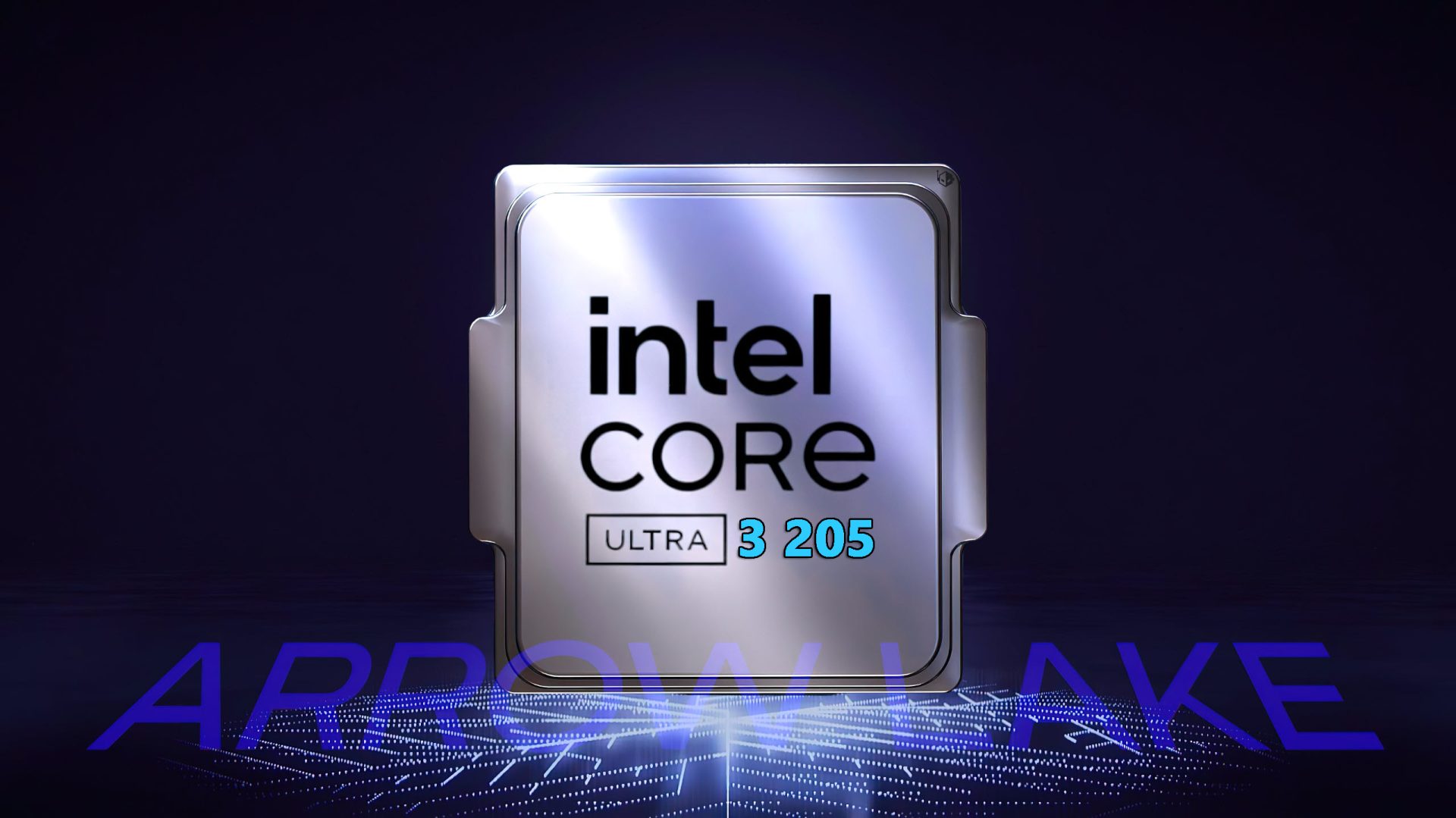
Intel's latest Arrow Lake desktop processor has surfaced in benchmarking software, offering a glimpse into what could become an important budget option for both gaming and productivity tasks. While the chip excels in single-threaded performance, its multi-core capabilities suggest it may not be the best choice for demanding workloads.
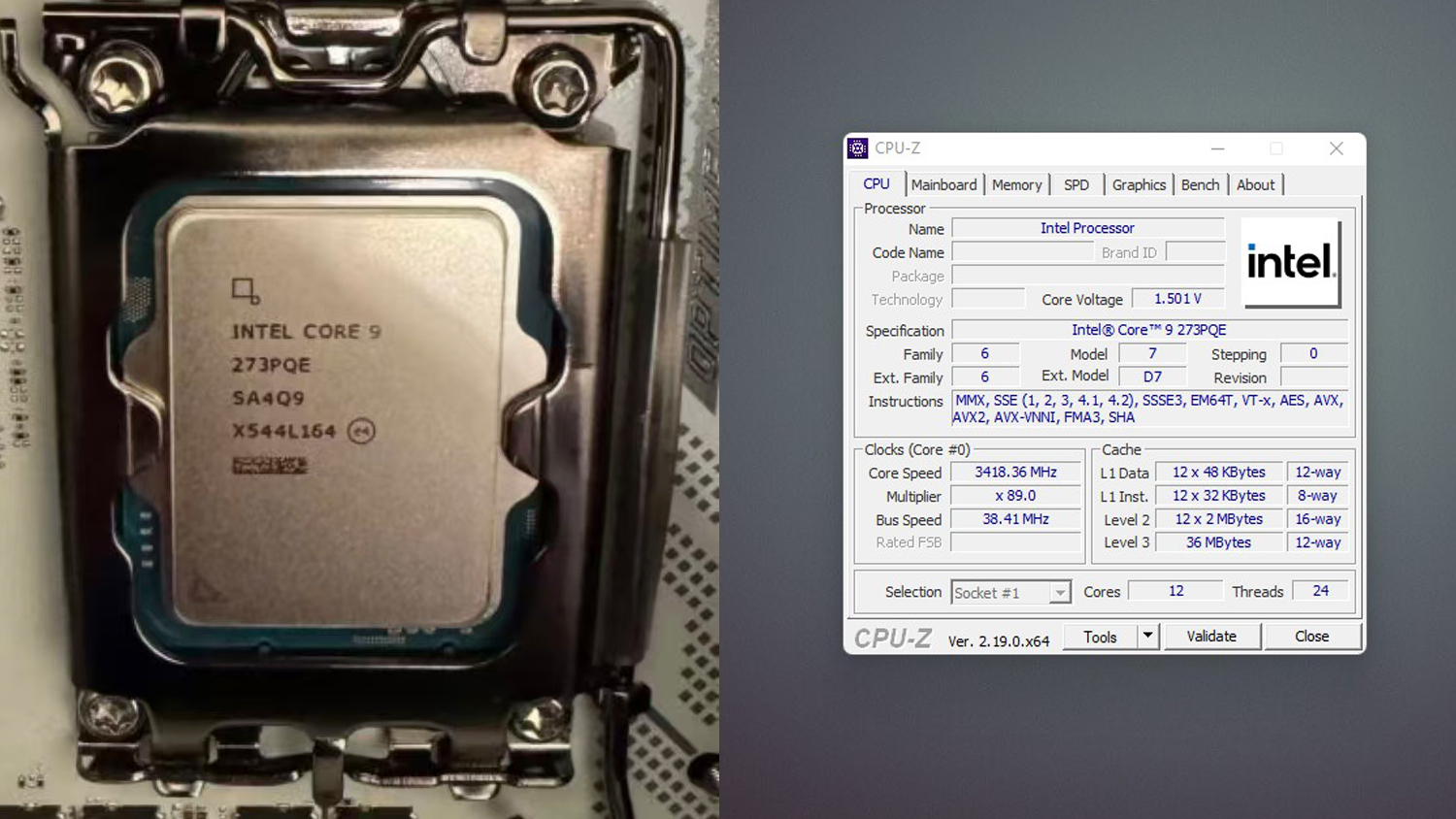
The Core Ultra 3 205 processor, running at up to 1 GHz, delivers a higher single-core score than its more expensive sibling, the Core Ultra 5 225. However, this comes with a trade-off: the chip lacks hyper-threading and is limited by an 8-core, 8-thread configuration (4 P-cores + 4 E-cores). This means it may not compete well in heavily multi-threaded applications where other chips with more cores or hyper-threading could pull ahead.
Despite these limitations, the Core Ultra 3 205 still achieves over 26,000 points in multi-threaded benchmarks—a respectable figure that rivals some of Intel's higher-end budget offerings. Its 65W TDP (thermal design power) gives it a slight edge over the 35W variant, which could translate to better sustained performance in real-world tasks without requiring aggressive cooling.
- Key specs:
- Model: Core Ultra 3 205
- Architecture: Arrow Lake
- Cores/Threads: 8 cores, 8 threads (4 P-cores + 4 E-cores)
- Clock speed: Up to 1 GHz
- TDP: 65W (non-T variant) / 35W (T variant)
- Memory support: DDR5
The chip's performance suggests it could be a strong contender in the sub-$150 price range, where budget-conscious users often prioritize single-threaded speed for gaming or light productivity tasks. However, those needing more cores or hyper-threading for tasks like video editing or 3D rendering might find better value elsewhere.
One notable detail is that this chip appears to be an OEM-exclusive model, meaning it may not see a traditional retail launch. If that holds true, buyers would need to source it through prebuilt systems rather than as a standalone CPU. Whether Intel decides to make it more widely available remains unclear.
For now, the Core Ultra 3 205 stands out for its efficiency and single-core performance, but its lack of hyper-threading and limited core count could hold it back in broader adoption. Buyers should weigh these trade-offs carefully if they encounter this chip in prebuilt systems or OEM configurations.