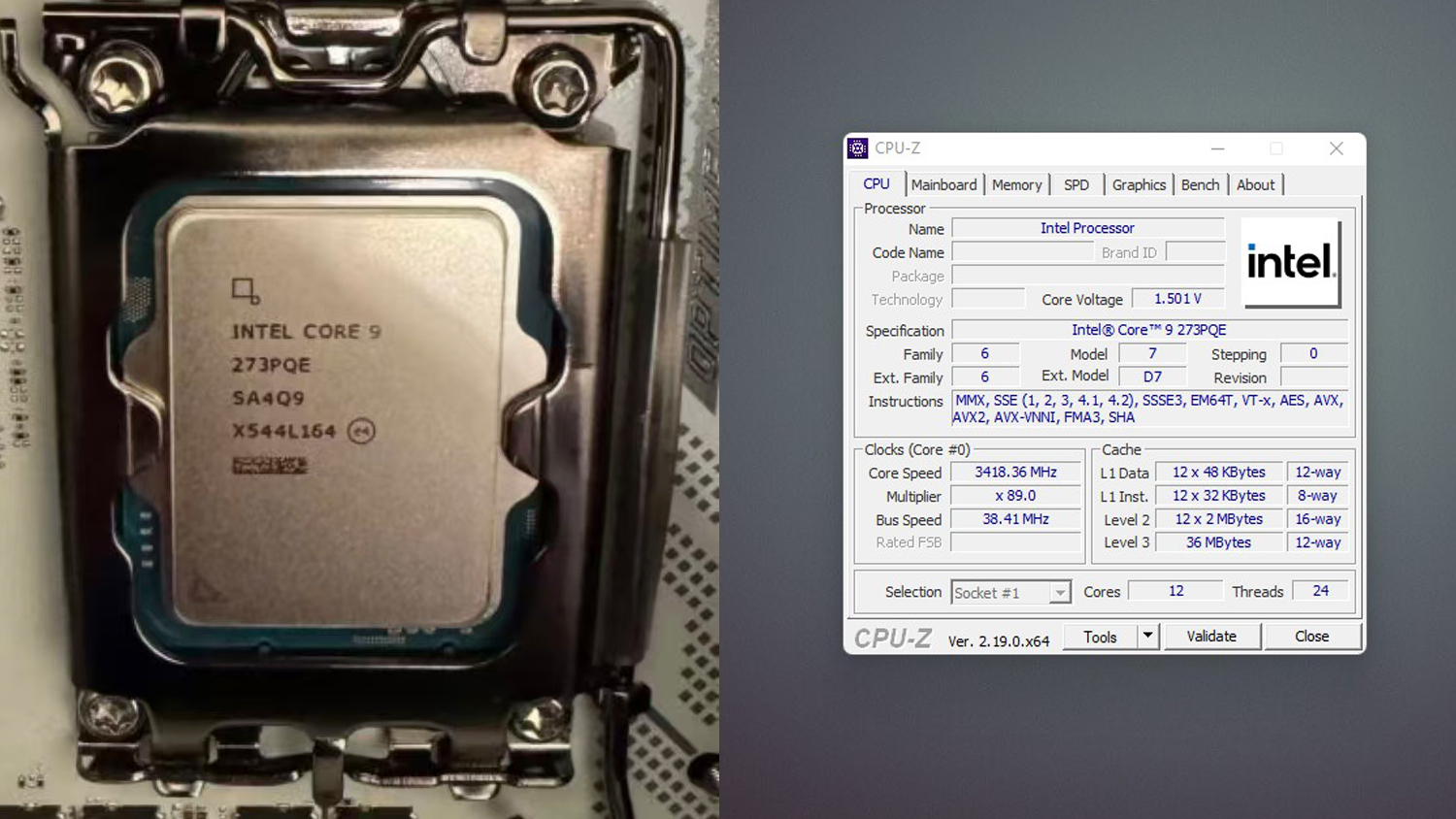
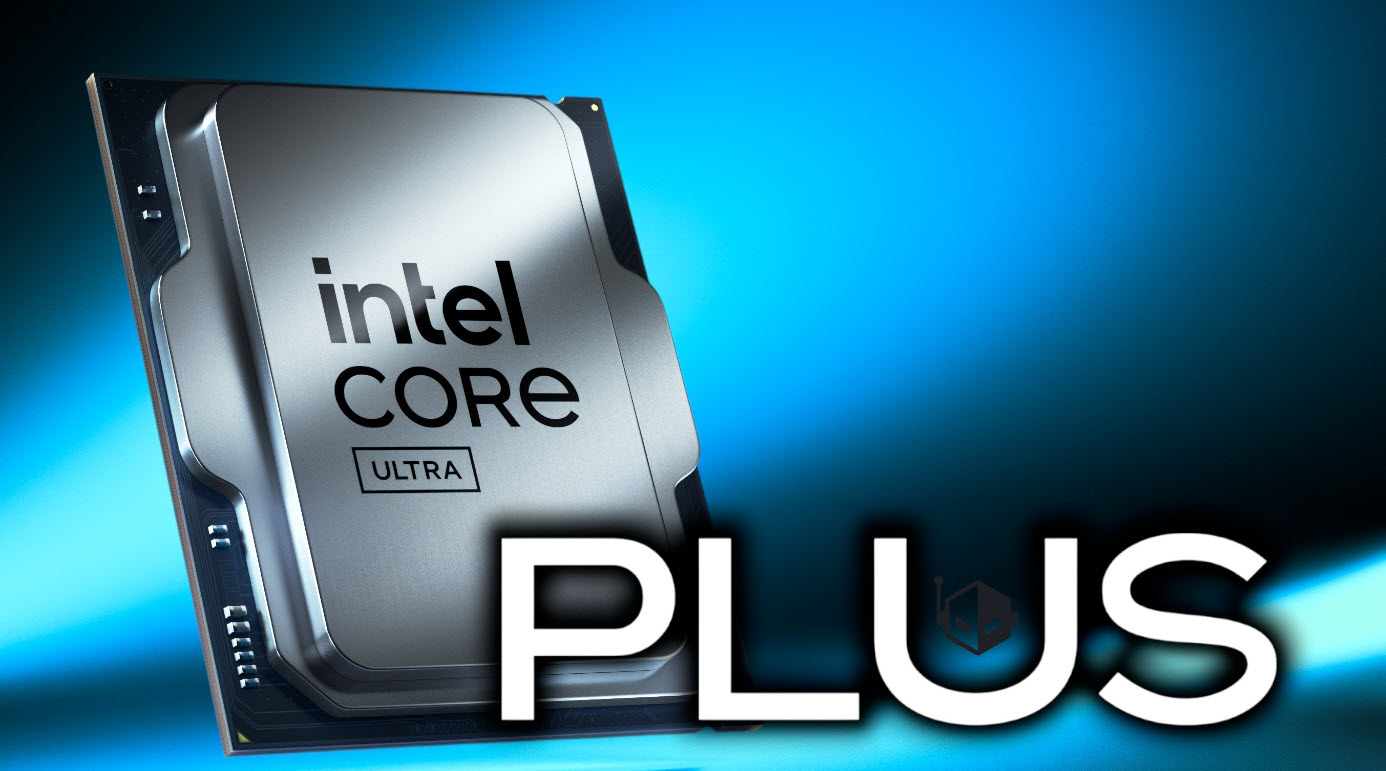
Intel’s Arrow Lake Refresh processors represent a pivotal moment in compute evolution—one that promises substantial efficiency improvements at the cost of immediate platform support. The new chips, including the Core Ultra 7 270K Plus and Core Ultra 5 250K/KF Plus, are now available on select retailers, but their full potential hinges on how developers leverage them within existing and future systems.
These processors are built around a refined architecture that Intel claims delivers up to 85% higher productivity than the Ryzen 7 9700X while maintaining competitive gaming performance. The Ultra 7 270K Plus, with its 24-core/24-thread configuration, is positioned as a high-end option for those demanding both raw power and efficiency. Meanwhile, the Ultra 5 250K/KF Plus, featuring 18 cores and 18 threads, targets mid-range users who need balanced performance without sacrificing thermal constraints.
Key Specifications
- Core Ultra 7 270K Plus: 24 cores / 24 threads, $349 (Newegg), $357 (Amazon)
- Core Ultra 5 250K Plus: 18 cores / 18 threads, $219 (Newegg)
- Core Ultra 5 250KF Plus: 18 cores / 18 threads (no integrated graphics), $227 (Amazon), $199 (Newegg)
The pricing reflects a premium over Intel’s original launch figures, with the Ultra 7 270K Plus now listed at $349 instead of its initial $299. This slight uptick may reflect supply chain adjustments or retailer markups, but it does not detract from the chip’s core value proposition: a significant leap in multi-threaded performance while maintaining competitive gaming metrics.
Platform and Adoption Considerations
The real challenge for these processors lies not in their raw specs, but in how they integrate with existing platforms. Unlike previous generations, Arrow Lake Refresh does not introduce a new chipset or motherboard ecosystem, which means users will need to ensure compatibility with their current hardware. This could limit immediate adoption, particularly for those building new systems from the ground up.
Developers, on the other hand, stand to benefit from the chips’ optimized instruction set and improved thermal efficiency. The additional efficient cores in both the Ultra 7 and Ultra 5 series suggest a focus on sustained workloads, where power draw becomes a critical factor. For gamers, the performance is touted as comparable to the Ryzen 9600X, but real-world testing will be necessary to confirm whether this holds under varied load scenarios.
Long-Term Implications
The Arrow Lake Refresh lineup signals Intel’s continued push toward efficiency, a trend that has become increasingly important in both desktop and mobile compute. However, the lack of a new platform means that users may face tradeoffs between performance gains and hardware compatibility. For those invested in newer motherboards or GPUs optimized for previous generations, the transition may not be as seamless as Intel would like.
Looking ahead, the focus will shift to how these processors perform in real-world applications, particularly in scenarios where thermal throttling could become a bottleneck. If Intel can deliver on its promises without sacrificing stability, these chips could set a new standard for compute efficiency—one that balances raw performance with power constraints.
What to Watch
Availability remains consistent across Newegg and Amazon, but pricing fluctuations are likely as retailers adjust inventory. Developers should monitor official benchmarks and thermal data to fully assess the chips’ capabilities, while end users will need to weigh the benefits of upgrading against potential compatibility hurdles.