Every time a user opens an app on an iPhone or Mac, they expect it to respond instantly. For professionals handling multiple projects simultaneously, that expectation becomes non-negotiable. Apple’s latest software releases, iOS 26.4 and macOS 15.7, address this need with a series of understated but meaningful improvements.
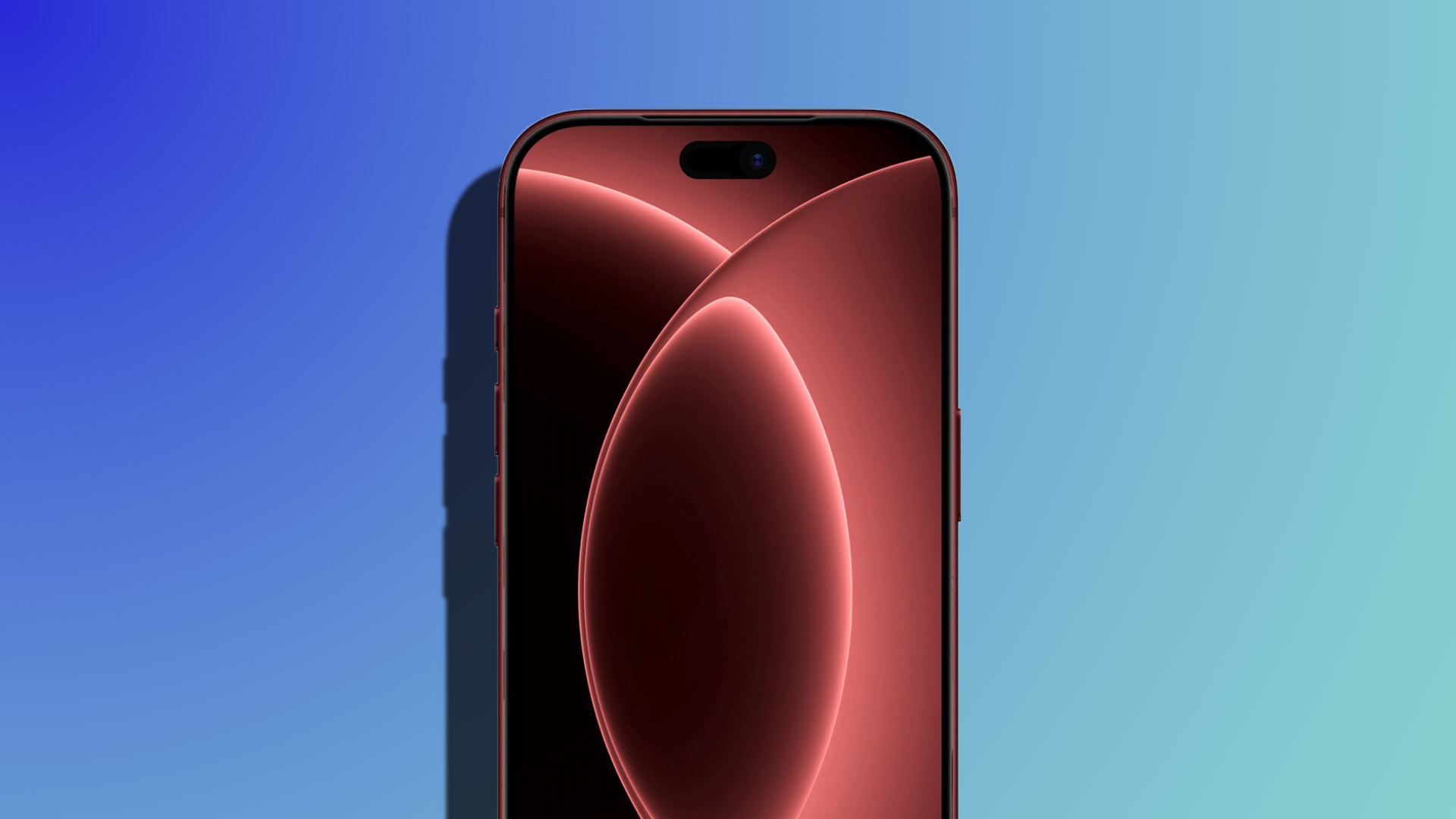
iOS 26.4 focuses on reducing the friction in background operations—a common pain point for users who switch between apps frequently. The update optimizes how applications manage data syncing, which can lead to fewer delays when transitioning between tasks like email or cloud storage. This is particularly noticeable for those who rely on their iPhones as both personal and professional tools, where interruptions can disrupt focus.
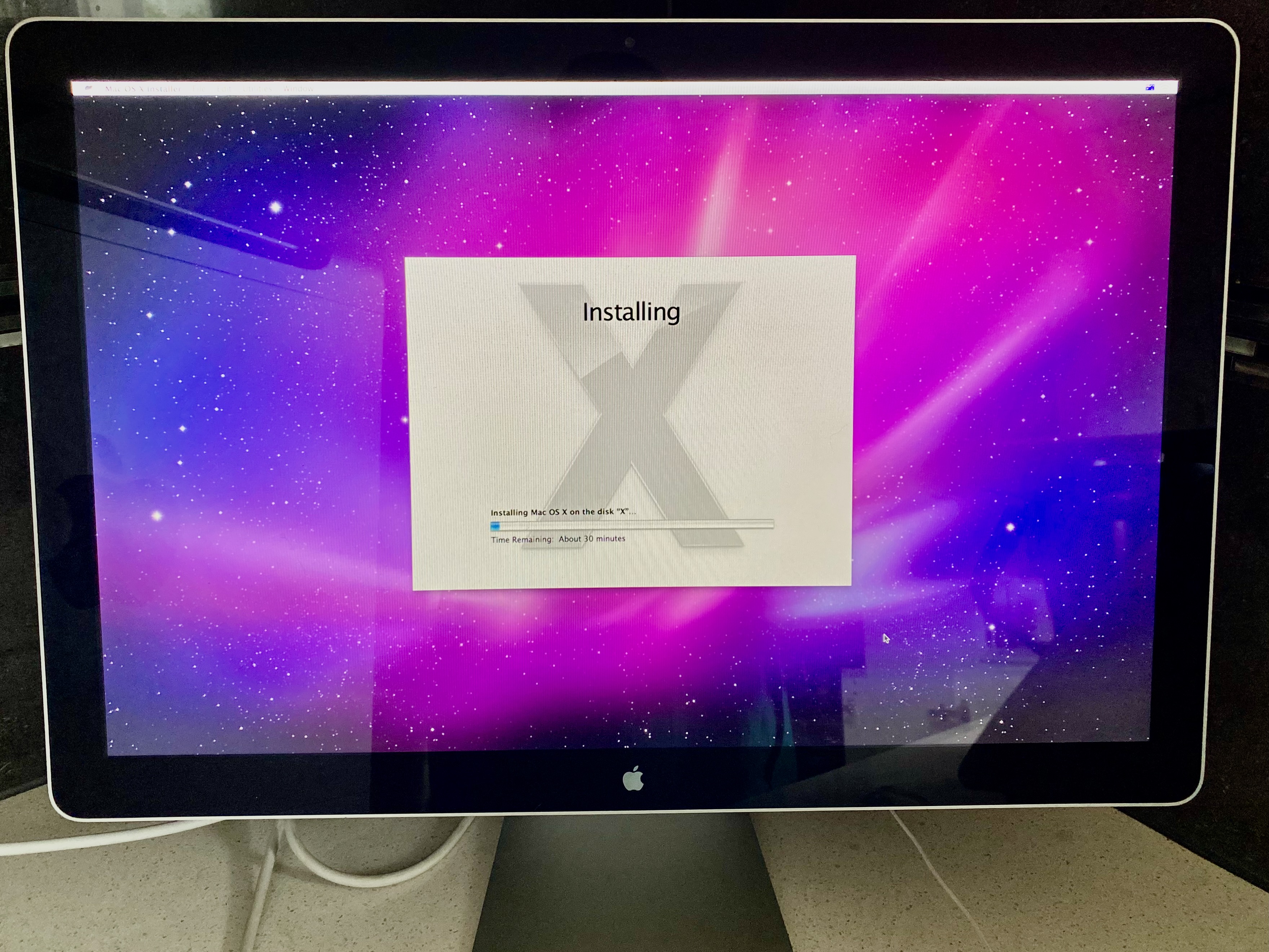
On the Mac side, macOS 15.7 introduces refinements to file management, making it more efficient to navigate through large datasets. The operating system now handles memory allocation more effectively, especially for applications that demand significant RAM, such as video editing or data analysis software. While these changes may not be immediately obvious to casual users, they can translate into noticeable speed improvements for those working with complex files.

Security remains a cornerstone of both updates. iOS 26.4 strengthens protections against malicious apps that attempt to bypass system checks, while macOS 15.7 adds layers of defense for sensitive data storage. These measures align with Apple’s long-standing emphasis on privacy, but they also reflect a broader industry trend toward more robust security protocols.
The updates are now available for download, giving users the flexibility to install them at their own pace. While Apple typically pushes updates automatically, this approach allows those who prefer manual control to ensure compatibility with their workflows before applying the changes.
For everyday users, the impact may be subtle: fewer app crashes, slightly longer battery life, or a smoother multitasking experience. However, for professionals whose work depends on the reliability of their devices, these updates could represent a small but meaningful step forward in how software handles demanding workloads.
Apple’s strategy has long been one of incremental improvements rather than radical overhauls. While this approach may not always generate headlines, it ensures that millions of users continue to experience a stable and responsive ecosystem. For those who depend on their devices for both productivity and creativity, the cumulative effect of these updates could be significant.