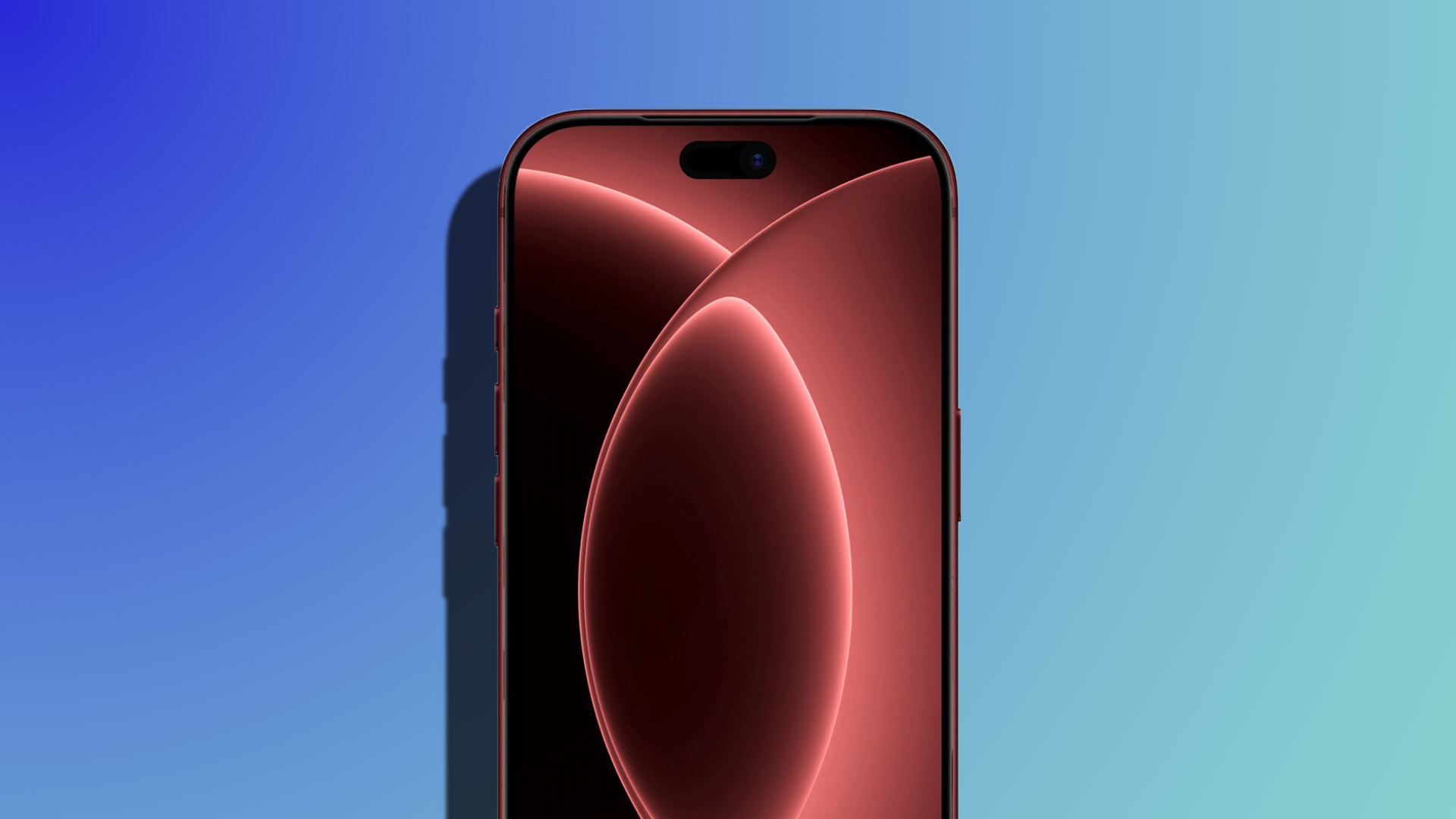
The iPhone Fold, Apple's foldable smartphone, is expected to miss its original launch window alongside the iPhone 18 Pro Duo. This delay has sparked discussions about the challenges of bringing a foldable device to market and what it means for consumers and developers alike.
Key specs for the iPhone 18 Pro Duo include
- Display: 6.7-inch Super Retina XDR OLED with ProMotion, 120Hz adaptive refresh rate
- Chip: A18 Pro, 3nm process, 4GB LPDDR5X RAM, 256GB–1TB UFS 4.0 storage
- Cameras: Triple 48MP (main), 12MP (ultrawide), 12MP (telephoto 3x optical zoom)
- Battery: 4,352mAh with fast charging
- Connectivity: 5G, Wi-Fi 6E, Bluetooth 5.3, UWB
- Ports: USB-C (reversible)
The iPhone 18 Pro Duo's specifications suggest a focus on performance and camera capabilities, with the A18 Pro chip and advanced camera system likely targeting professionals and power users. The delay of the iPhone Fold could indicate that Apple is prioritizing refining its foldable technology before introducing it to a broader audience.
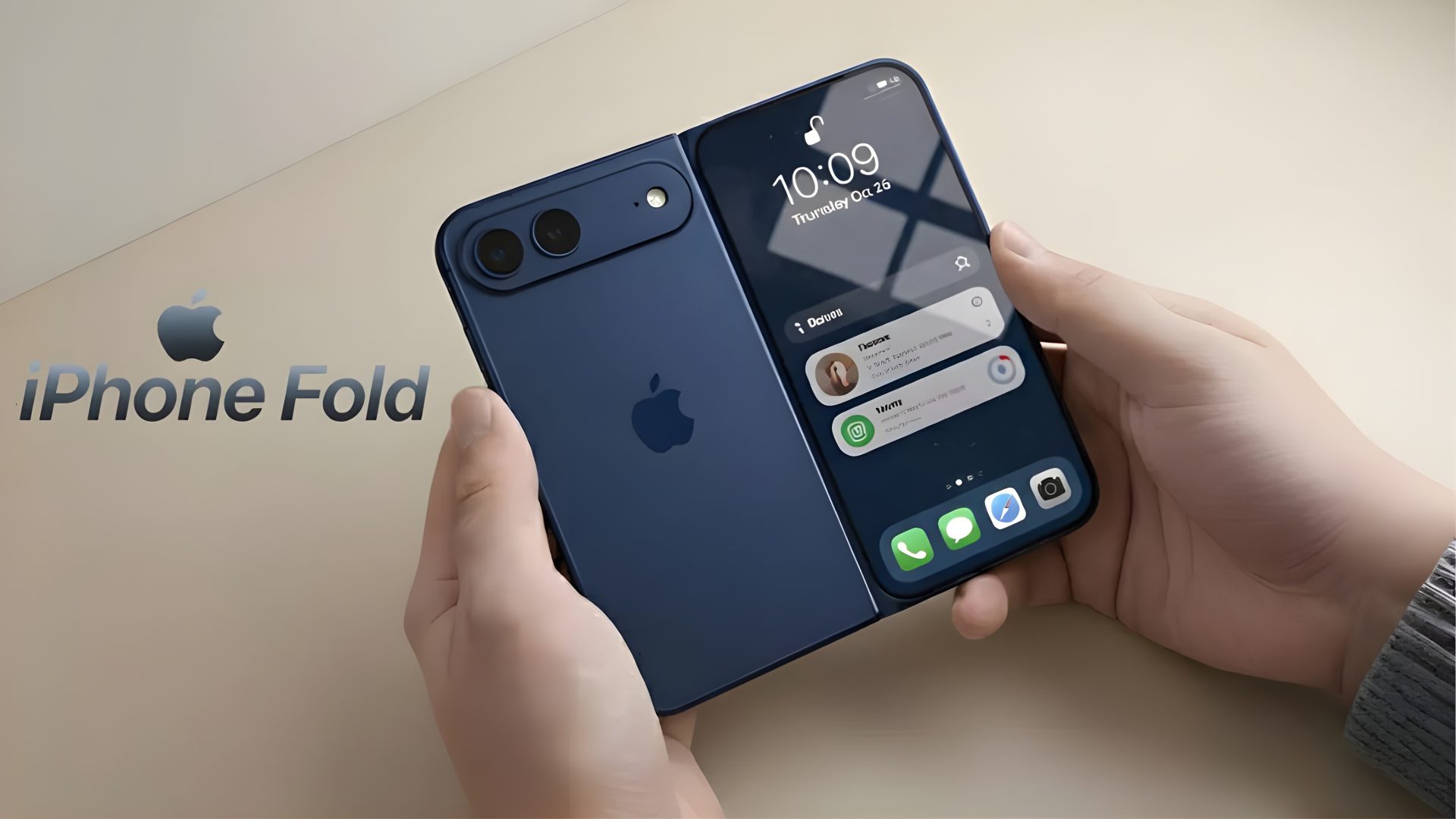
Industry analysts have noted that the success of foldable smartphones depends on overcoming several hurdles, including durability, software optimization, and consumer adoption. A delayed launch allows Apple more time to address these challenges, but it also raises questions about whether the iPhone Fold will remain a niche product or if it will eventually become a mainstream feature.
For IT teams evaluating hardware for enterprise deployments, the delay of the iPhone Fold means that they may need to rely on traditional iPhones for now. However, the potential long-term benefits of foldable devices—such as increased screen real estate and productivity features—could make them a compelling option once refined.
As Apple continues to navigate its product roadmap, the delay of the iPhone Fold serves as a reminder that innovation in hardware is not always linear. While the iPhone 18 Pro Duo represents a clear evolution in Apple's lineup, the future of foldable technology remains uncertain, leaving both consumers and industry watchers waiting for further developments.