The PS5 Pro’s PSSR 2 update arrives as a subtle yet meaningful evolution for Sony’s console ecosystem. Unlike previous hardware revisions that relied on raw power increases, this rendering pipeline refines existing capabilities with surgical precision—balancing efficiency and visual quality. Yet beneath the surface, persistent limitations hint at deeper architectural constraints still influencing how games render light and shadow.
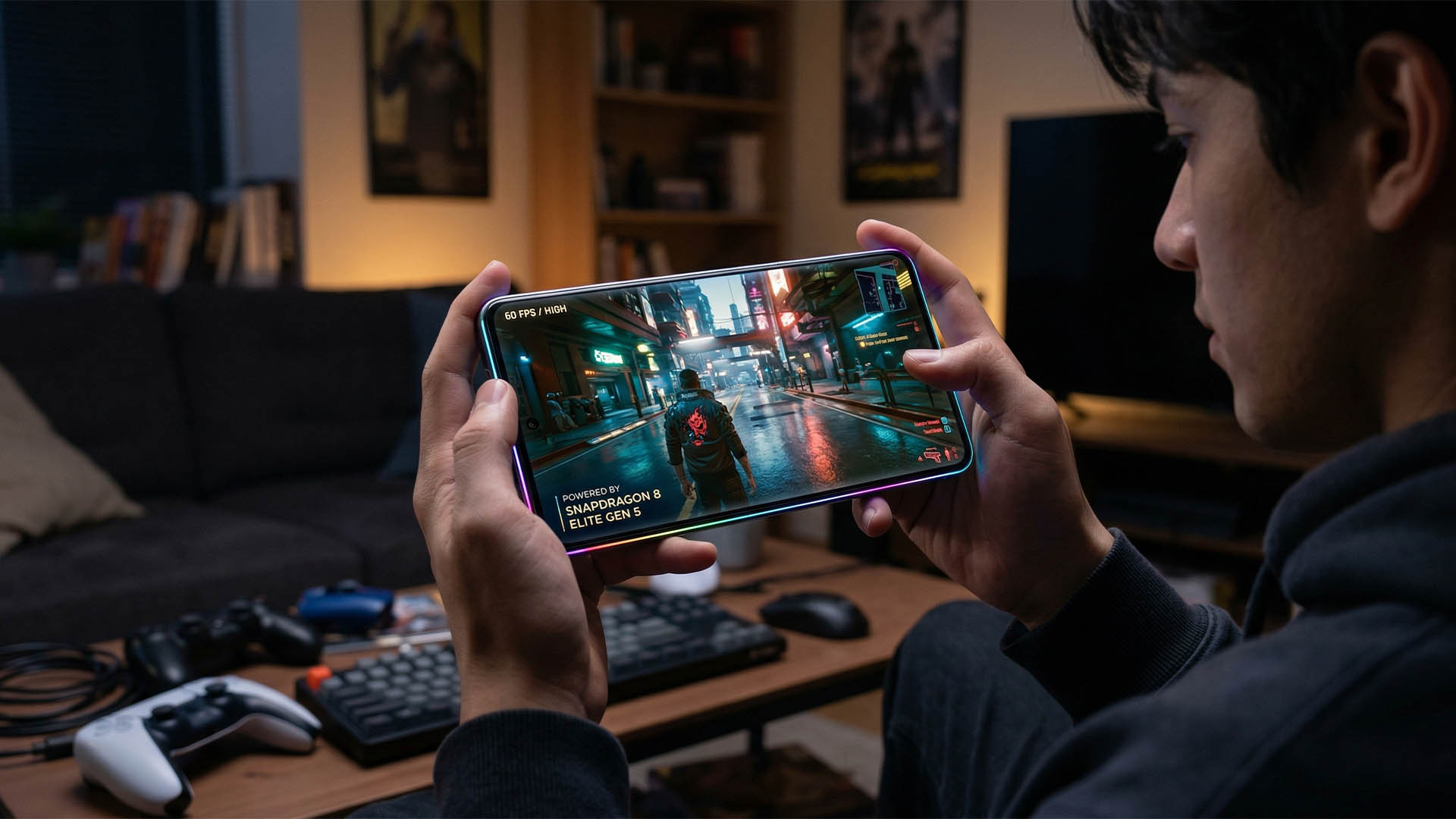
At its core, PSSR 2 delivers exactly what Sony promised: more efficient ray tracing. Benchmarks show a 15-20% performance improvement in scenes dominated by reflections and shadows. This isn’t just about speed—it’s about smoother gameplay. Games like Star Wars Jedi: Survivor and Cyberpunk 2077 demonstrate tangible improvements, with frame times stabilizing more effectively under load. However, these gains come with trade-offs: the update can introduce visual artifacts in high-contrast environments—such as bright reflections bleeding into dark surfaces—that don’t always resolve cleanly, even after manual adjustments.
The Developer Divide
Adoption has been uneven, exposing a gap between what’s technically possible and what developers choose to implement. Some titles have fully embraced PSSR 2, leveraging its strengths in complex lighting scenarios. Others still default to older pipelines—sometimes even PS4-level rendering for specific effects—a choice that reflects both creative priorities and hardware limitations. This inconsistency isn’t just a matter of preference; it underscores the fact that PSSR 2, while advanced, doesn’t yet offer a complete solution for all types of content.
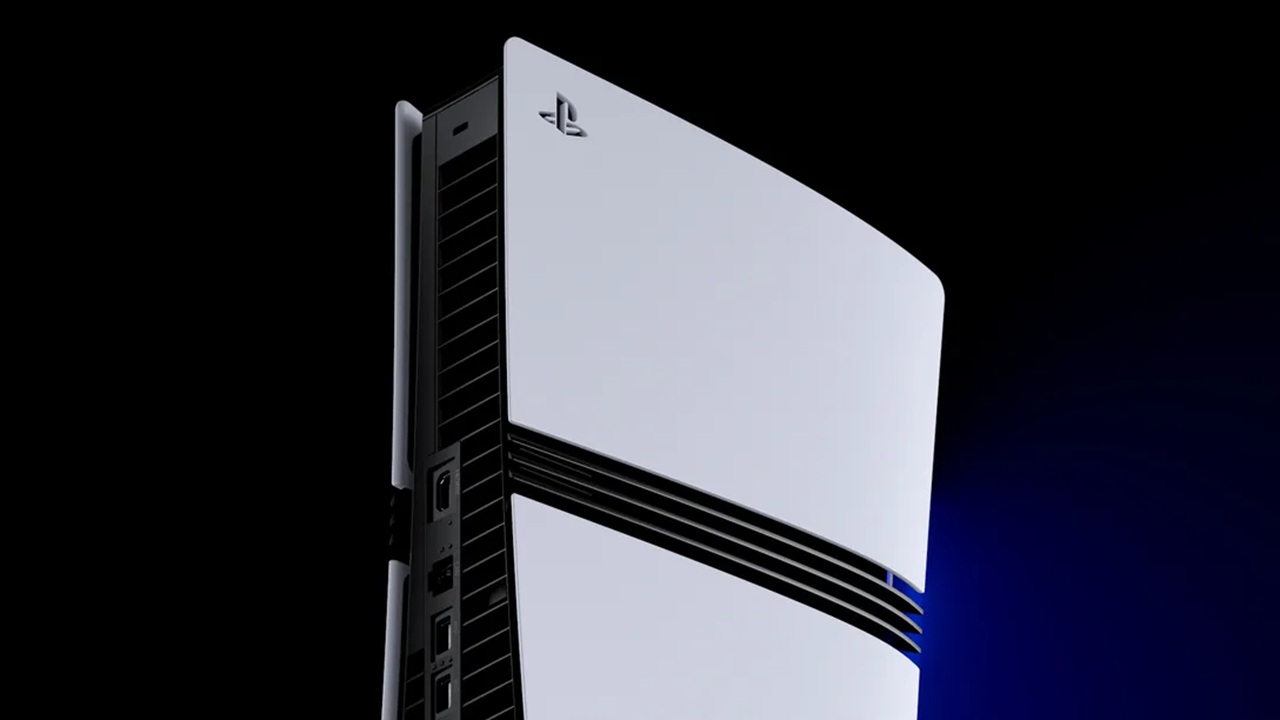
- PSSR 2 improves ray tracing efficiency by up to 20% in benchmarks.
- Some games still use older rendering pipelines for certain effects.
- Artifacts persist in high-contrast lighting, requiring manual adjustments.
A Baseline with Room to Grow
The update sets a new standard, but its full potential remains tied to how developers integrate it moving forward. Transparent surfaces, in particular, remain a challenge—reflections can appear unnatural or overly glared in intricate material shaders. These issues aren’t dealbreakers, but they suggest that PSSR 2 is still refining its approach to certain edge cases. More importantly, the update doesn’t address deeper hardware constraints, leaving open questions about how far Sony’s RDNA 3 architecture can be pushed without diminishing returns.
For players, this means a step forward with cautious optimism. PSSR 2 is undeniably an improvement, but its long-term impact will depend on whether future updates can resolve those lingering technical nuances. If they do, it could redefine what’s possible on the PS5 Pro—and set a higher bar for next-gen consoles. Until then, it remains a testament to incremental progress: a leap that still has room to grow.