Samsung’s latest foldable phones and flagship model are facing a perfect storm of rising costs, threatening to push prices higher than ever. The Galaxy Z Fold 7, Flip 7, and S25 Edge—due out later this year—are already feeling the pressure from memory chip inflation and geopolitical instability.
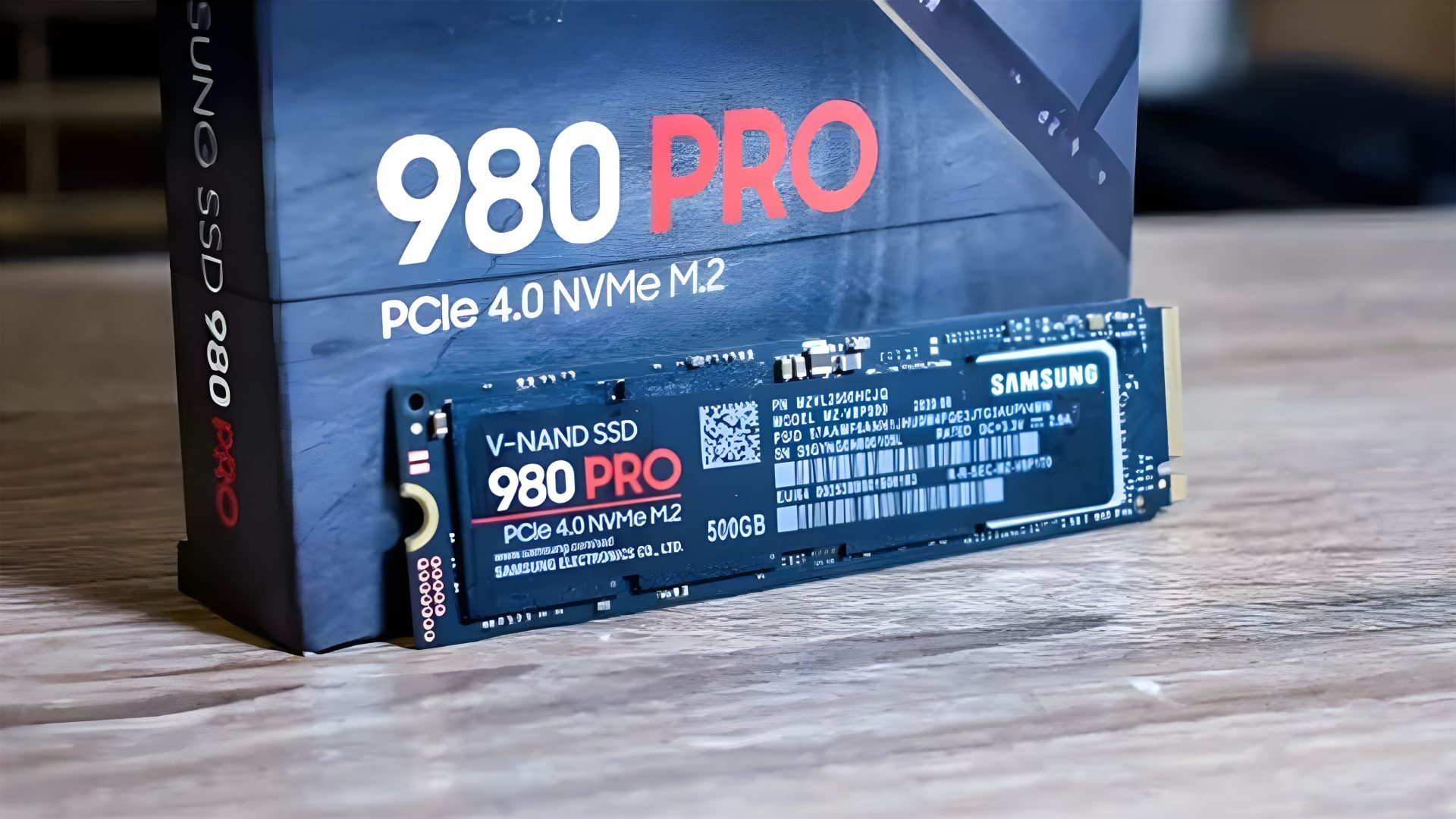
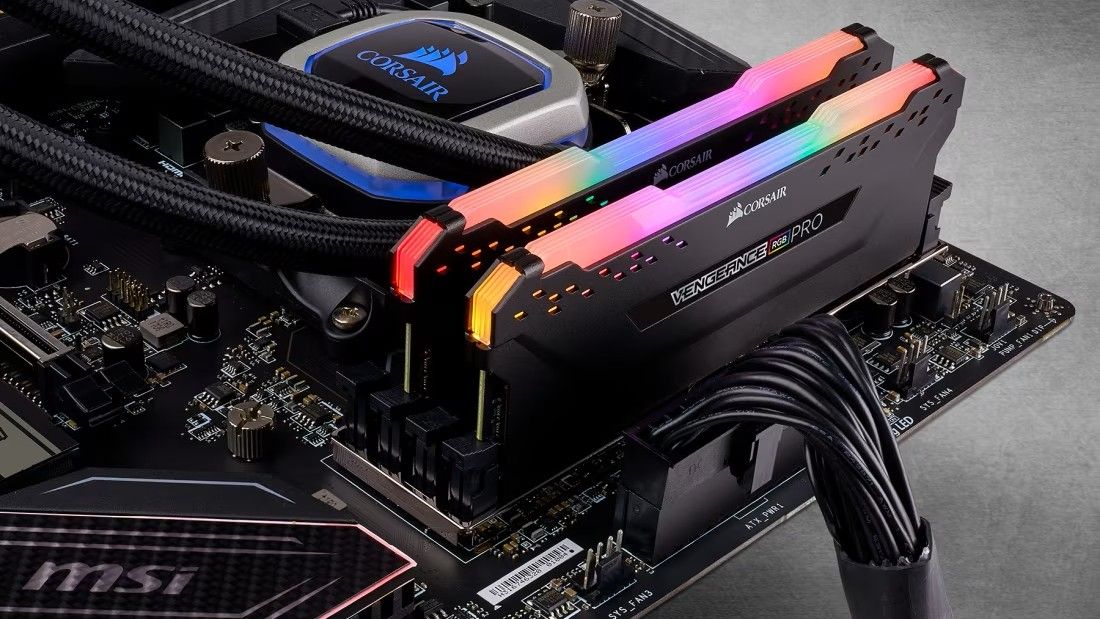
Memory chips, a critical component in modern smartphones, have seen dramatic price increases. DRAM prices, for example, surged by nearly 30% in recent months, while NAND flash storage costs are also climbing. This isn’t just a temporary blip; industry analysts suggest these trends will persist, at least through the end of the year.
What’s Driving the Cost Spike?
- Memory Chip Inflation: DRAM and NAND prices are up sharply due to strong demand and supply constraints. Samsung’s in-house memory chips, used in its flagship devices, are particularly affected.
- Geopolitical Tensions: The escalating conflict in the Middle East has disrupted global supply chains, adding another layer of uncertainty to already strained production costs.
The Galaxy Z Fold 7 and Flip 7 are Samsung’s latest foldable designs, promising thinner profiles and more flexible displays. Meanwhile, the S25 Edge is poised to compete in the ultra-premium smartphone market, where price sensitivity is low but budget constraints are growing for consumers.
Will Prices Go Up?
Samsung hasn’t confirmed official pricing yet, but industry leaks suggest these models could see increases. The Fold 7 and Flip 7, for instance, might start around $1,800 and $1,300, respectively—up from their predecessors. The S25 Edge, if it follows the trend, could also see a price bump, though Samsung may attempt to mitigate costs by scaling down on certain premium features.
For buyers, this means a tough choice: pay more for cutting-edge technology or wait for prices to stabilize. The foldable market is still niche, but with rising costs, affordability will become an even bigger hurdle.
A Reality Check
The question isn’t just whether these phones will be expensive—it’s whether the added value justifies the cost. Foldables are already premium devices, and with memory prices still volatile, Samsung may need to make tough decisions on where to cut corners without sacrificing performance.
In the long run, this could reshape the market. If prices remain high, foldables might struggle to gain broader adoption, leaving them as a luxury segment for early adopters. But if Samsung can balance costs with innovation, it could set a new benchmark for what consumers expect in a premium smartphone.
The bottom line? Buyers should brace for higher prices, but whether that translates into better value remains to be seen.