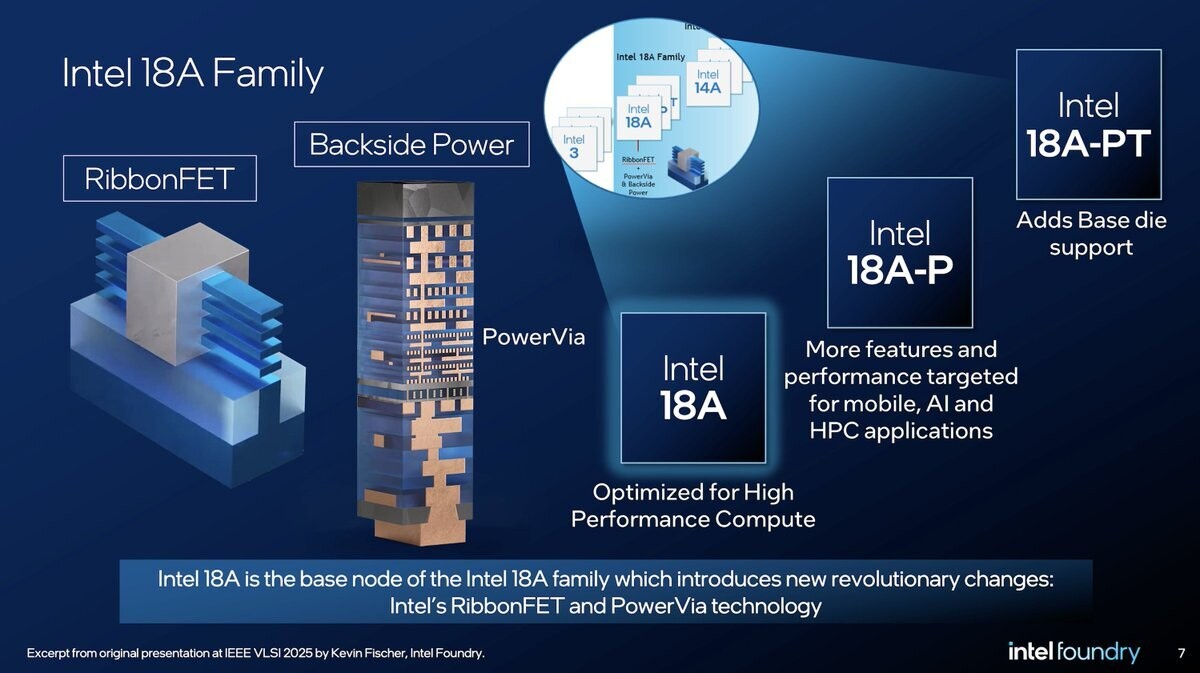
Intel’s 18A-P node delivers unexpected gains, offering 9% more performance or 18% lower power without shrinking transistor density. This shift could reshape how PC builders balance speed and efficiency.









Ring has removed the need for a Ring device to launch a community-wide search for lost pets, expanding its AI-power...

Bruce Nesmith, lead designer of The Elder Scrolls V: Skyrim, argues that Bethesda’s in-house Creation Engine remain...

The popular Arch-based Linux distro CachyOS has declined to join the newly formed Open Gaming Collective, questioni...

Windows 11 now supports multiple keyboard layouts at once, making it easier to type in different languages without...

A Redditor paid $207 for a 2TB Samsung 990 Pro SSD that performed at USB 2.0 speeds—but Windows and CrystalDiskInfo...

Memory costs are skyrocketing, with DDR4 and DDR5 modules now carrying a 125% premium over last quarter’s rates—lea...

A Windows shutdown flaw, initially dismissed as isolated, has now spread across five versions of Windows—including...

The Acemagic K1 mini PC, already a space-saving powerhouse, now costs less than ever—$360 with a discount that slas...

Arm’s updated Flexible Access program now allows startups with up to $50M in funding to access cutting-edge chip to...

Microsoft has quietly rolled out the first preview of Windows 11 26H2 to Dev Channel Insiders, signaling a major sh...