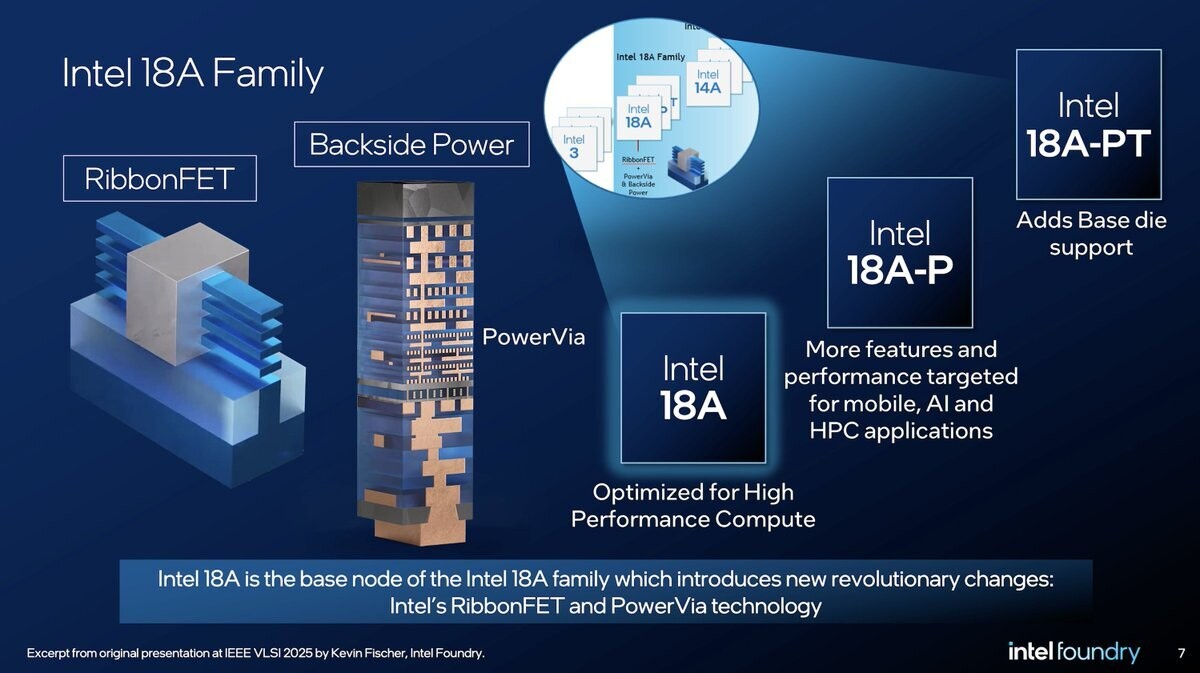
Intel’s 18A-P node delivers unexpected gains, offering 9% more performance or 18% lower power without shrinking transistor density. This shift could reshape how PC builders balance speed and efficiency.

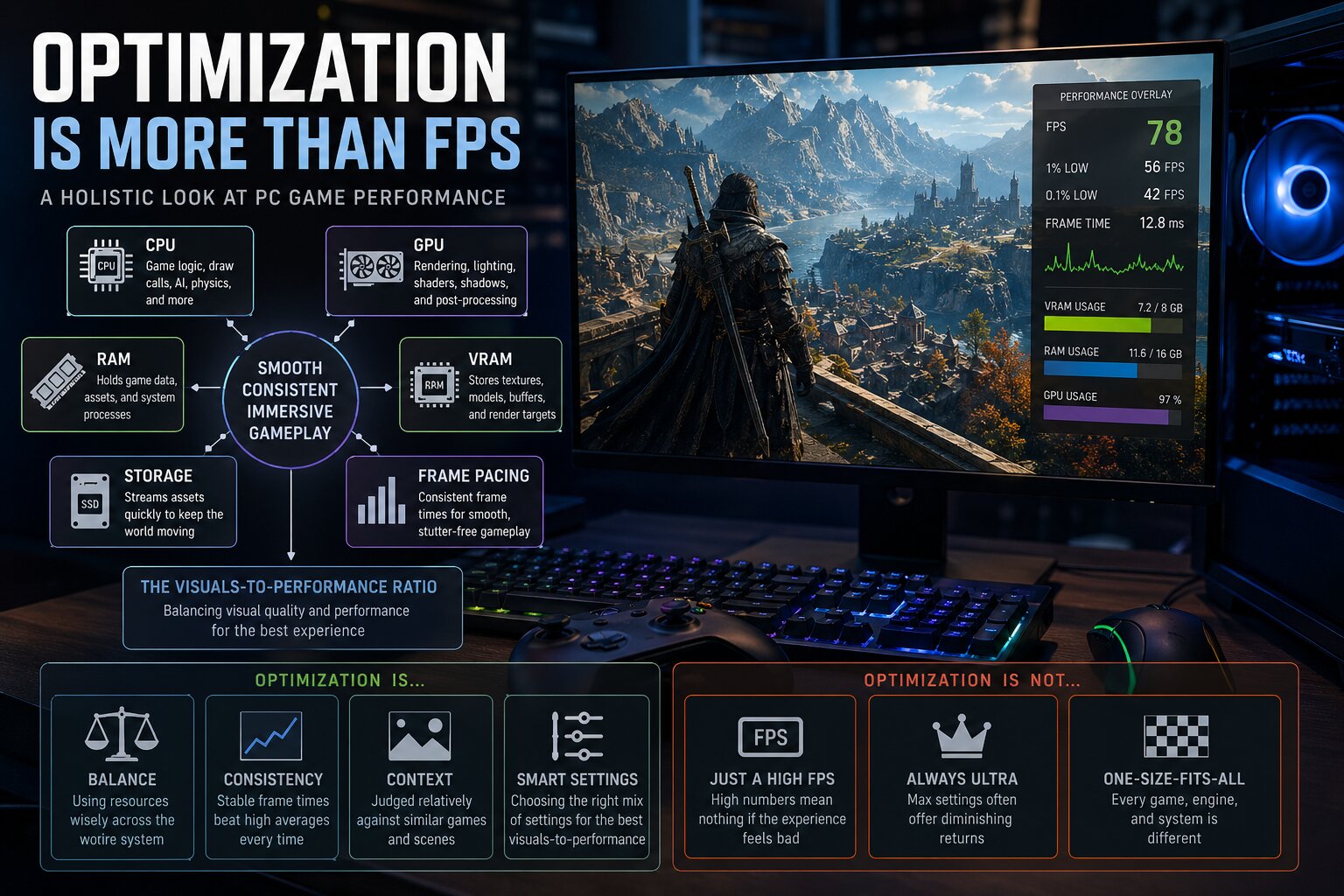










A potential 120Hz OLED refresh for Sony’s PlayStation Portal isn’t just about sharper visuals—it could redefine how...

Nintendo has clarified its stance on content adjustments for third-party games, following reports that Dispatch’s S...
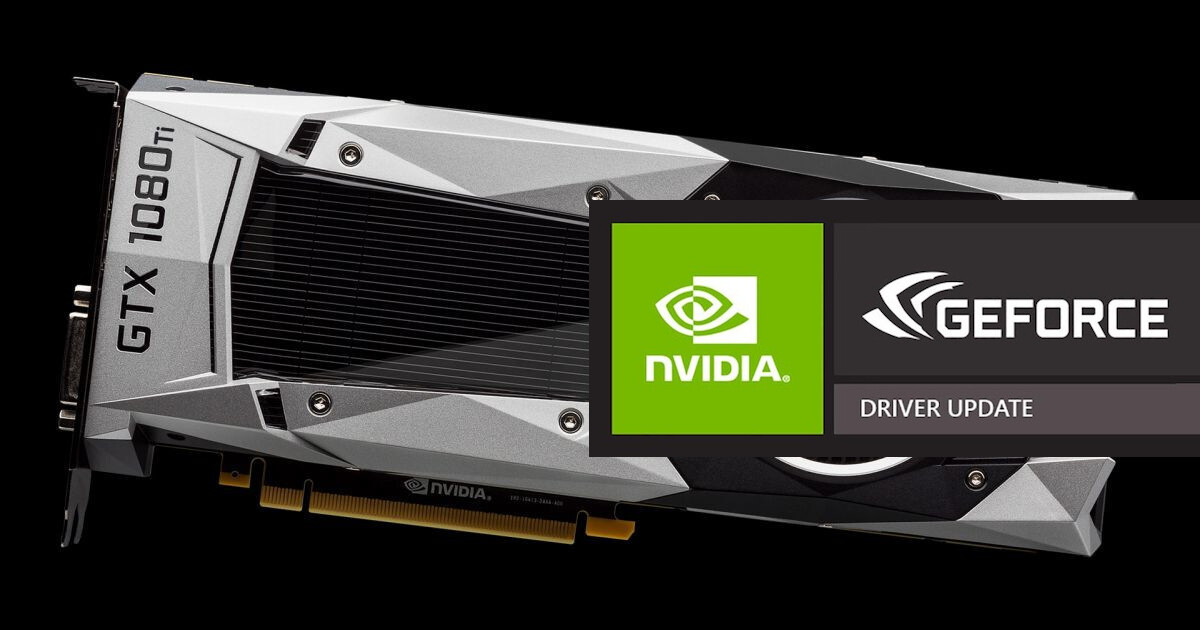
NVIDIA’s latest driver update, version 582.28 WHQL, targets Maxwell, Pascal, and Volta-era GPUs no longer supported...
After a year of persistent bugs and forced upgrades, Microsoft’s Windows division is redirecting its efforts toward...

A 32-inch 4K smart display with AI upscaling, voice amplification, and direct gaming streaming has just dropped to...

Franz the Dejected Assailant isn’t just another boss—he’s a turning point in Code Vein 2, altering the story and un...
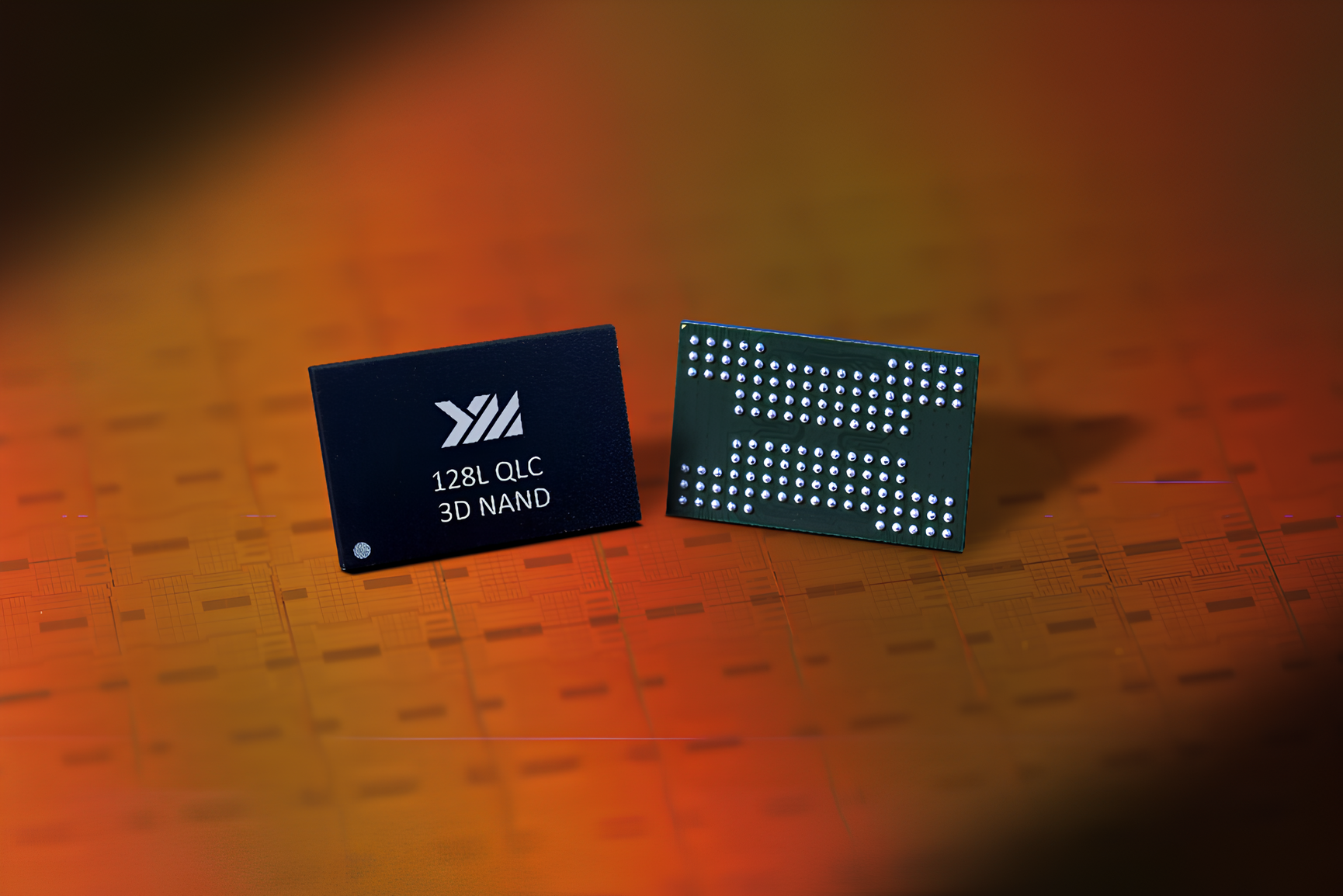
China’s YMTC is ramping up production at its $3 billion Wuhan facility to meet surging AI-driven demand for NAND fl...

A covert operation by a Chinese firm secretly repurposed 9 million Android phones into a global proxy network, enab...
Consumer goods companies are abandoning outdated pricing tactics in favor of AI-powered operational ecosystems. The...

The developer behind MindsEye, already reeling from a troubled launch, has reportedly terminated its publishing agr...