Life is Strange: Reunion doesn't just tell a story—it rewrites it.
The game's core mechanic, time-bending, isn't just for show. Players can pause time to manipulate events, but the real innovation lies in how these choices ripple through the narrative. Unlike traditional branching paths, Reunion uses a more fluid approach, where every decision feels weighty and immediate. This creates a sense of urgency that keeps players on the edge of their seats.
The setting is a small coastal town, but it's far from ordinary. The game blends mystery with emotional depth, following a new protagonist who navigates personal loss while uncovering secrets tied to the town's past. The visuals are striking, with a mix of realistic and stylized elements that enhance the story's atmosphere.
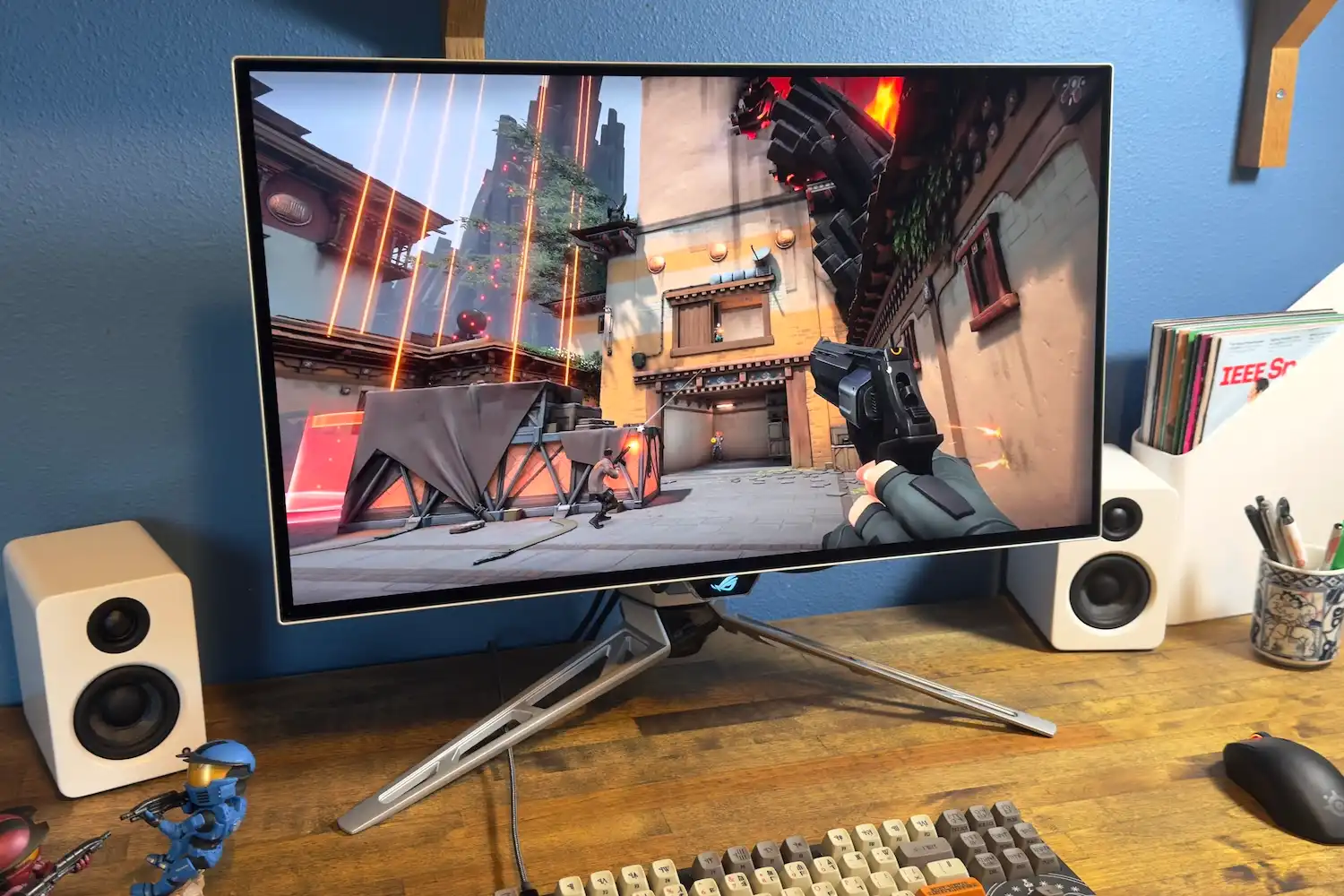
Gameplay is smooth, with no noticeable performance hitches on standard hardware. Controls are responsive, and the time-bending mechanic feels intuitive, even when used frequently. The art style is consistent with previous Life is Strange titles, but Reunion introduces subtle refinements that make it feel fresh.
The narrative is where Reunion truly shines. It's a story about connection—how choices shape relationships and legacies. Players are drawn into the lives of characters who feel real, their struggles resonating long after the game ends. The pacing is deliberate, ensuring every moment matters.
For fans of the series, Reunion delivers exactly what they expect: emotional depth, compelling storytelling, and innovative gameplay mechanics. But it doesn't rely on nostalgia alone; it stands on its own merits, offering a experience that feels both familiar and entirely new.
The game is available now for PC and consoles, with no regional lock-in or platform restrictions. It's a must-play for anyone who appreciates games that challenge traditional storytelling while delivering a deeply moving experience.