Starting this month, Microsoft will begin pushing Windows 11 version 25H2 as an automatic update for all compatible devices, removing the option to delay or skip the installation. The move marks a shift away from optional updates, raising questions about control and system performance.
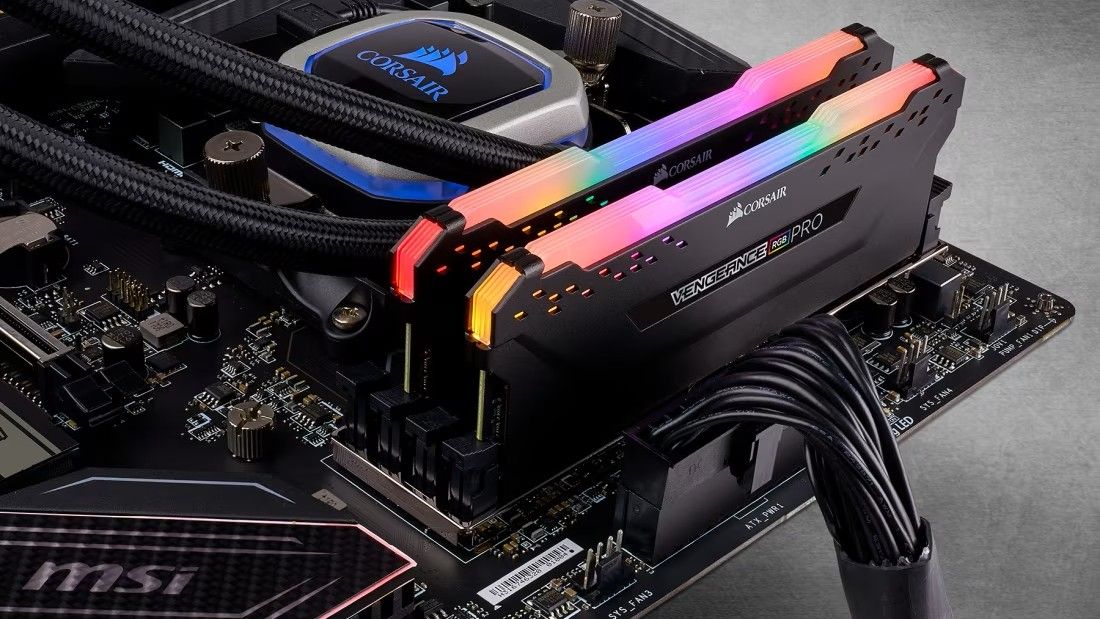
The new update introduces several under-the-hood improvements, including a more efficient memory management system that can reduce RAM usage by up to 15% in certain workloads. However, some users may notice subtle changes in how background processes behave, which could impact battery life on laptops or responsiveness on desktops.
- Windows 11 25H2 will be forced on supported PCs starting June 2025.
- RAM efficiency improvements could reduce memory footprint by up to 15% in specific scenarios.
- No major visual changes, but background process tweaks may affect performance.
- Users without Windows 11 Pro will lose access to certain enterprise features post-update.
- The update does not include new consumer-facing features like AI tools seen in previous versions.
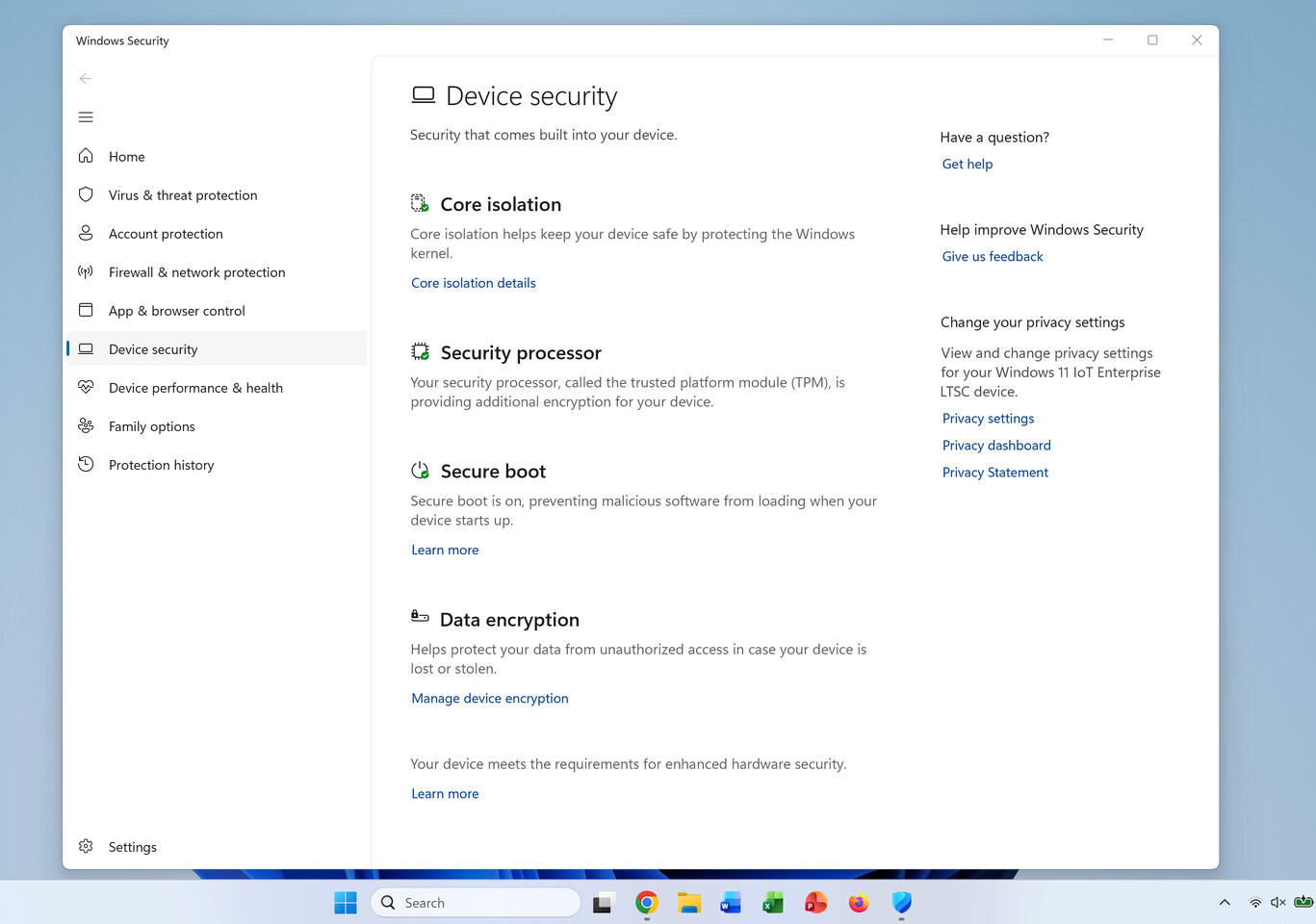
The forced update applies only to devices meeting Microsoft’s existing hardware requirements for Windows 11, which include TPM 2.0 and Secure Boot support. Users on older systems will remain on the last supported version of Windows 10 until it reaches end-of-life in October 2025.
For everyday users, the most immediate impact may be a brief slowdown during installation, as the update downloads and installs system-wide changes. Those relying on specific legacy applications or custom configurations should test the new version before the forced transition to avoid compatibility issues. Enthusiasts and power users may find limited benefit from the update, given its focus on backend optimizations rather than new functionality.
Microsoft’s decision to remove the opt-out option reflects a broader trend toward centralized control in operating systems, though it leaves some wondering whether future updates could introduce more restrictive policies. For now, the 25H2 update remains a technical refresh rather than a consumer-driven release, making it more relevant for businesses than home users.