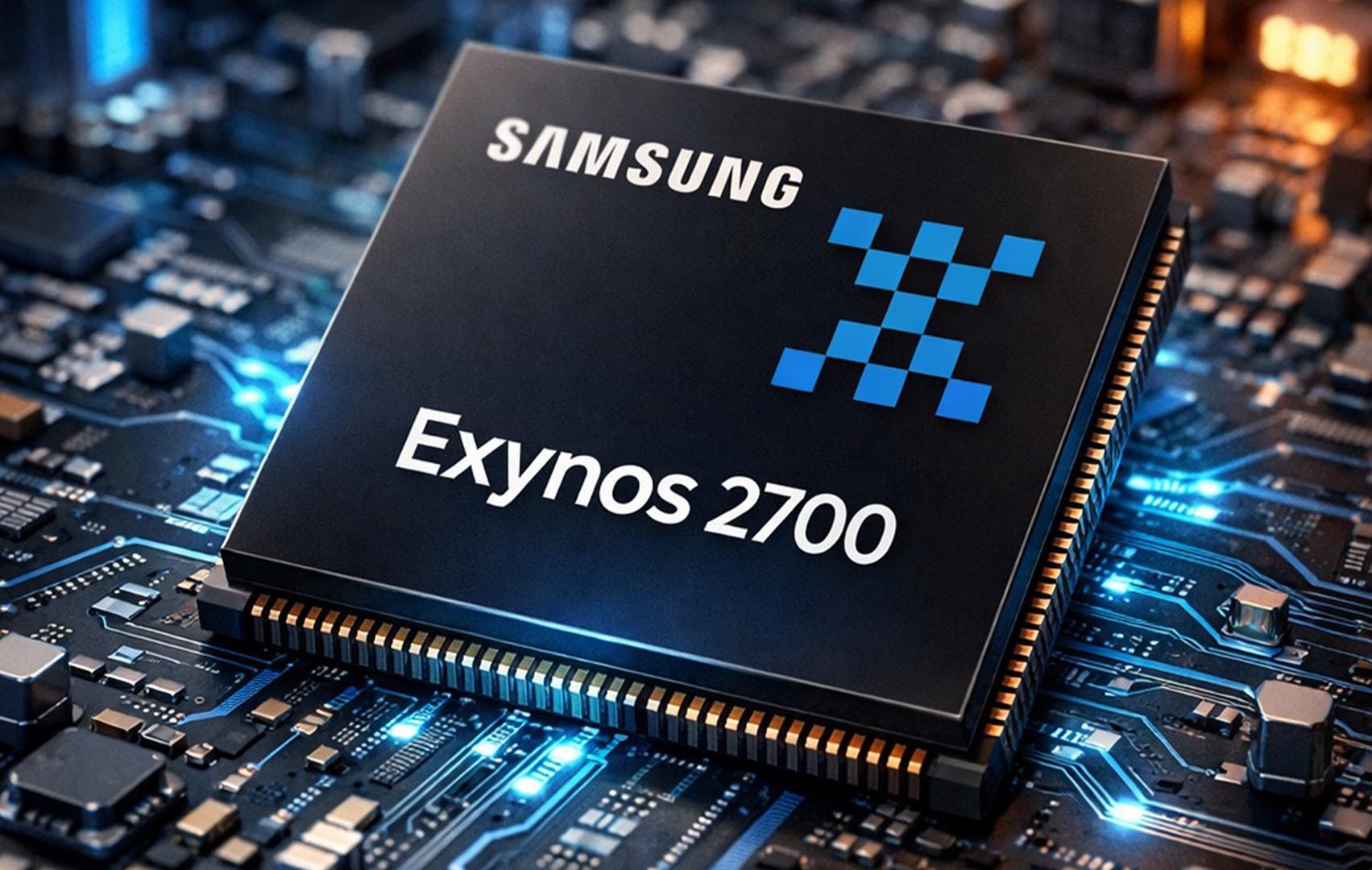
Intel’s next-generation Nova Lake-S desktop CPUs—long anticipated for their extreme performance and architectural upgrades—are no longer arriving this year. Instead, the launch has been pushed back to CES 2027, marking another high-profile delay in an industry already reshaping its roadmaps due to market pressures.
The delay comes as Intel grapples with surging demand for its Xeon processors in enterprise and AI workloads, diverting resources away from consumer products. Meanwhile, AMD’s Zen 6 desktop CPUs, codenamed Olympic Ridge, have also faced postponements, with their own timeline now uncertain beyond 2027.
For gamers and enthusiasts, the shift means Intel’s most ambitious desktop lineup—featuring bLLC cache tiles, high core counts, and unprecedented power ratings—will remain off-limits for at least another year. The delay also raises questions about whether the broader PC market is entering a prolonged period of stagnation, or if manufacturers are simply recalibrating for new priorities.
Why the Delay?
The postponement isn’t isolated. The GPU market has already seen multiple delays, and now CPUs are following suit. Intel’s focus on enterprise and AI could be siphoning production capacity, leaving consumer products like Nova Lake-S in the crosshairs. Additionally, the term ‘product winter’—a phrase used to describe a slowdown in new hardware releases—has gained traction, suggesting manufacturers are bracing for a period of reduced innovation.
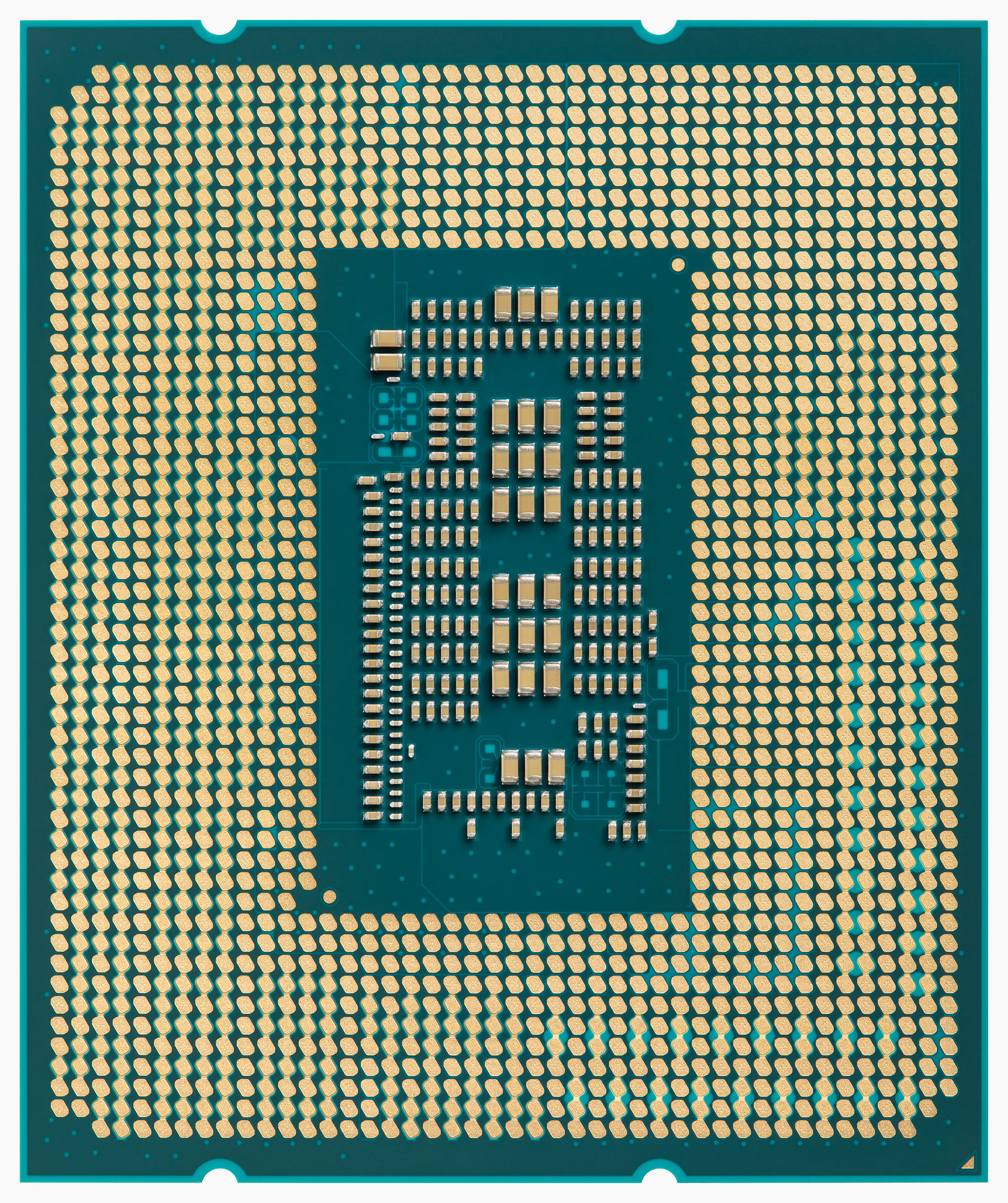
Key details about Nova Lake-S remain unchanged, including its
- Architecture: bLLC cache tiles for performance optimization.
- Core Configurations: High-end models targeting extreme-class workloads.
- Power Ratings: Expected to push boundaries for desktop CPUs.
- Motherboard Support: Only 900-series boards will unlock full power potential.
However, the lack of a confirmed 2026 release means these features may not materialize until next year—or later. AMD’s Olympic Ridge, meanwhile, has also been delayed, with no definitive timeline beyond 2027.
What It Means for Consumers
The delay is a double-edged sword for PC enthusiasts. On one hand, extended wait times could allow for further refinements, but on the other, it leaves current-gen platforms—like Intel’s 13th Gen Raptor Lake—stuck in the performance spotlight for longer. Gamers and creators may need to rely on existing hardware or consider alternatives like AMD’s upcoming Zen 6 offerings, even if their own timelines remain fluid.
For Intel, the shift appears strategic. By prioritizing enterprise and AI, the company may be positioning itself for long-term growth in high-margin markets, even if it means deferring consumer excitement. The question now is whether CES 2027 will bring the promised performance—or if further delays are on the horizon.