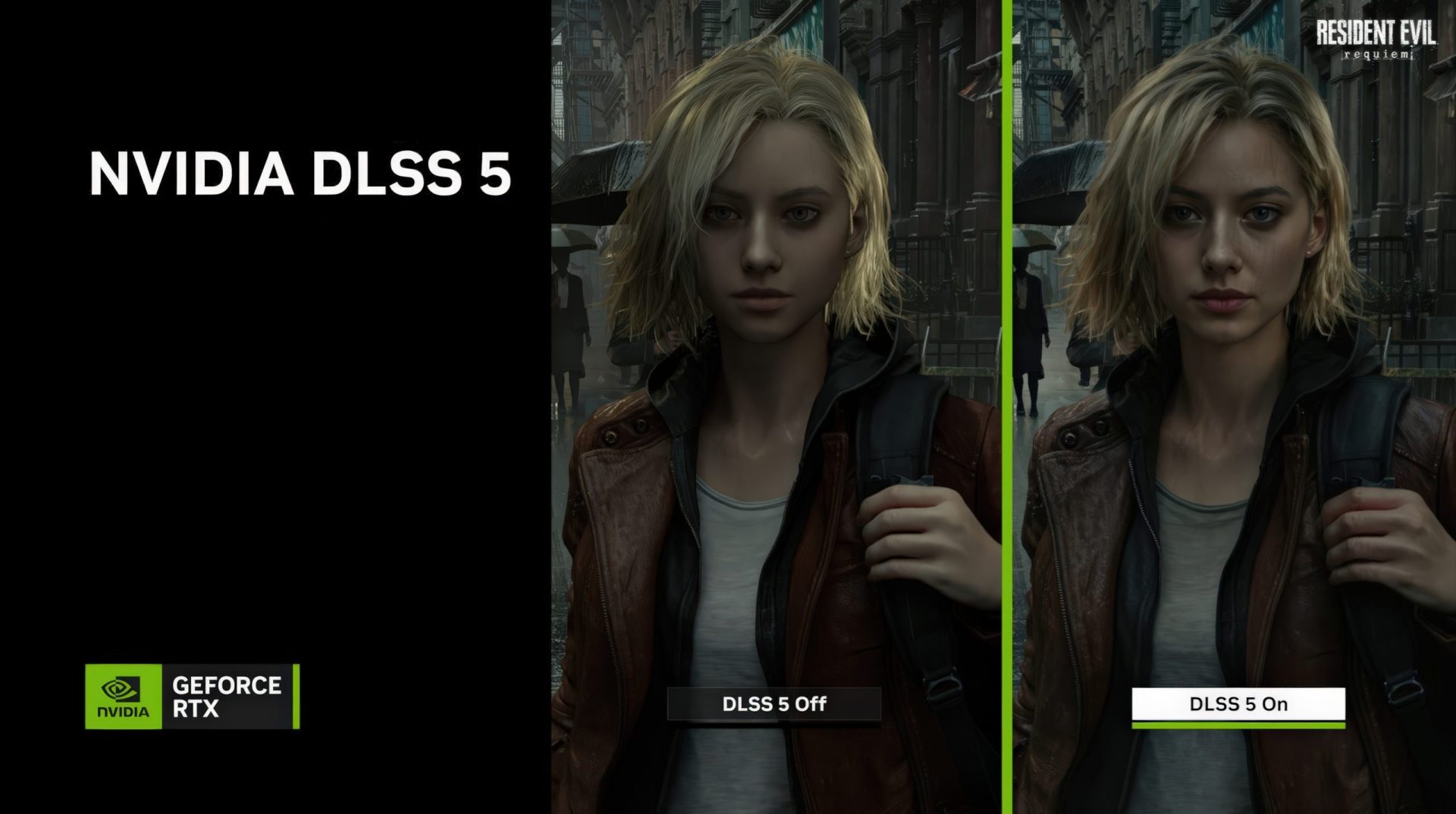
DLSS 5 arrives as a milestone in NVIDIA’s push to redefine real-time graphics. It doesn’t just refine what came before; it reengineers the process from the ground up, targeting both performance and visual fidelity in ways that challenge conventional expectations.
The new version introduces a more aggressive approach to frame generation. Unlike previous DLSS versions that relied on static upscaling, DLSS 5 dynamically generates frames using AI, reducing latency while improving image quality. This shift is most noticeable in fast-paced scenarios like open-world games or competitive shooters, where every millisecond matters.
Performance and Efficiency
The numbers tell a clear story: DLSS 5 can deliver up to 2x performance gains over DLSS 3 in supported titles. Benchmarks show this translates to smoother gameplay at higher resolutions without sacrificing visual quality. For example, in a typical open-world game, users might see frame rates jump from 60 FPS to 90 FPS or more at 4K resolution, even on mid-range hardware.
How It Works
DLSS 5 leverages NVIDIA’s Tensor Cores in a more sophisticated way. Instead of just upscaling existing frames, it analyzes motion and scene depth to generate entirely new frames. This reduces the load on the GPU while maintaining or even improving image sharpness. The result is less input lag and more fluid animations, which power users will notice immediately during fast camera movements or rapid action sequences.
Real-World Impact
The real test for DLSS 5 lies in its practical application. Developers are already integrating it into upcoming titles, with early access programs showing promise. For gamers, this means smoother performance on hardware that previously struggled to hit target frame rates at high settings. It also opens the door for more ambitious visual effects without performance penalties.
What’s Next
NVIDIA has not yet announced a specific release window, but DLSS 5 is expected to debut alongside new RTX GPUs or as part of a software update later this year. If the trend continues, it could become a standard feature for high-end gaming setups, further blurring the line between console and PC performance.